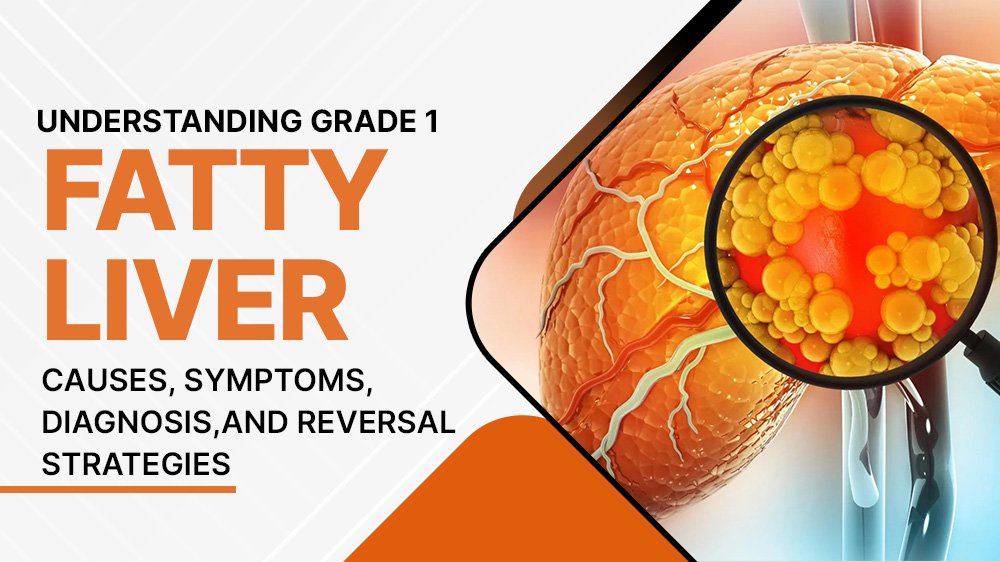
Grade 1 fatty liver is the earliest stage of fatty liver disease and is generally considered the mildest form. In this condition, a small amount of fat starts building up in the liver cells. Most people do not notice any symptoms in the beginning, so the condition is often discovered during a routine health check-up or an ultrasound test.
Even though Grade 1 fatty liver is not very serious at this stage, it should not be ignored. With the right lifestyle changes, a healthy diet, and regular physical activity, the condition can often be reversed and the liver can return to normal functioning.
What is Grade 1 Fatty Liver?
A small fat buildup exists in the liver in Grade 1 fatty liver disease. The liver usually continues to function normally during this stage. Many people also wonder, is grade 1 fatty liver dangerous, especially after it is diagnosed during a routine health check-up. In most cases, it is considered a mild condition, but it should still be managed properly to prevent progression.
Doctors use three stages to classify fatty liver disease, which they consider their standard classification system.
- Grade 1 (Mild) classification describes a condition where the liver contains only a small fat accumulation.
- Grade 2 (Moderate) classification describes a condition in which body fat has increased, and the person may also develop inflammation.
- Grade 3 (Severe) classification indicates that the body has developed extreme fat accumulation, which is likely to result in liver damage.
The good news is that Grade 1 fatty liver is often reversible if proper lifestyle changes are made early.
Common Causes of Grade 1 Fatty Liver
Various lifestyle and health factors contribute to fat accumulation in the liver.
1. Poor Nutrition
Consuming an excessive amount of junk and fried foods, sugary beverages, and highly processed foods can result in increased fat storage in the liver.
2. Being Obese or Overweight
Excess body weight is a primary contributor to the development of fatty liver disease.
3. Insufficient Exercise
A high degree of sedentary behavior in combination with insufficient exercise can result in a slowed metabolism and increased storage of fat.
4. Diabetes or Elevated Blood Sugar
The presence of diabetes is a significant risk factor for the development of fatty liver.
5. Elevated Cholesterol or Triglycerides
High cholesterol may result in the accumulation of fats in the liver.
6. Alcoholism
Excessive consumption of alcohol can result in damage to the cells within the liver and contribute to fatty liver disease.
Symptoms of Grade 1 Fatty Liver
Many people with Grade 1 fatty liver may not notice any clear symptoms in the early stage. In fact, grade 1 fatty liver symptoms are usually mild and can easily be ignored. However, some people may experience the following signs:
- People experience fatigue because of their condition
- People experience mild discomfort, which causes them to feel weight on their right abdomen
- Bloating and indigestion problems
- People experience weight gain without any known reasons.
- The condition causes some individuals to stop eating food.
People need to undergo health check-ups because their symptoms show mild or no signs of existence.
How is Grade 1 Fatty Liver Diagnosed?
Doctors usually diagnose fatty liver disease by using basic testing methods together with their medical assessment procedures.
1. Ultrasound Scan
This test functions as the primary method for identifying fatty deposits within the liver.
2. Blood Tests
The liver function tests establish whether the liver operates at its proper capacity.
3. Medical History and Physical Examination
A doctor will ask about your dietary habits, exercise, alcohol use, medical problems, etc.
Most instances of Grade 1 fatty liver detection occur through standard health checkups, which people undergo for their routine health assessments.
Can Grade 1 Fatty Liver be Reversed?
The research shows that Grade 1 fatty liver disease responds to treatment through effective lifestyle modifications.
1. Maintain a Healthy Weight
The liver fat content decreases when people lose their extra weight through gradual weight loss.
2. Follow a Balanced Diet
People should consume increased amounts of fruits and vegetables, whole grains, and lean protein. They should stay away from all fried foods, sugary beverages, and processed food items.
3. Exercise Regularly
Liver health improves through 30 minutes of physical activity, which people can do by walking, cycling, or practicing yoga.
4. Control Diabetes and Cholesterol
The prevention of liver damage occurs when people control their blood sugar and cholesterol levels.
5. Avoid Alcohol
The liver healing process speeds up when people decrease their alcohol consumption or stop drinking entirely.
6. Stay Hydrated
The body uses water to eliminate toxins, while water consumption also helps maintain liver health.
Possible Complications if Grade 1 Fatty Liver is Ignored
The condition will develop into advanced stages when healthcare providers fail to treat fatty liver disease. The following complications can occur:
- Grade 2 fatty liver with increased fat accumulation
- Liver inflammation (steatohepatitis)
- Liver fibrosis (scar tissue formation)
- Liver cirrhosis in severe cases
The public can avoid these complications through immediate treatment and alterations to their daily routines.
Tips to Keep Your Liver Healthy
Steps to keep us all from getting fatty liver and buffing the liver:
1) Eating from a well balanced diet is often the first offense.
2) Jumping through hoops to reduce their sugar calorific intake while keeping protein intake to a moderate level.
3) Regular exercise and physical activity
4) Maintaining a healthy body weight
5) Observance of good health practices
6) Restrict alcohol consumption
With just these simple habits, you can keep your liver healthy.
Conclusion
Grade 1 fatty liver is the earliest stage of fatty liver disease and is quite common today due to unhealthy eating habits and sedentary lifestyles. The positive aspect is that this condition is often reversible if it is identified early and managed with proper lifestyle changes. Maintaining a healthy diet, exercising regularly, controlling body weight, and avoiding alcohol can play a major role in improving liver health.
If you are experiencing symptoms related to liver health or have been diagnosed with fatty liver, it is important to consult a medical specialist for proper evaluation and guidance. Dr. Ajay Yadav, who is considered one of the best gastrosurgeons in Lucknow, provides expert care and treatment for liver and digestive disorders. With the right medical advice and timely treatment, it is possible to protect your liver and prevent further complications.