
Pancreatic Surgery
in Lucknow
Dr. Ajay Yadav is an experienced Gastro Surgeon in Lucknow with 23+ years of surgical experience and advanced training in Surgical Gastroenterology. He evaluates patients with pancreatic tumours, cystic lesions, pancreatitis-related complications and other complex pancreatic conditions, with surgical treatment planned according to the disease and individual patient factors. Where appropriate, laparoscopic or robotic techniques may be considered, while open surgery remains important for complex pancreatic procedures.
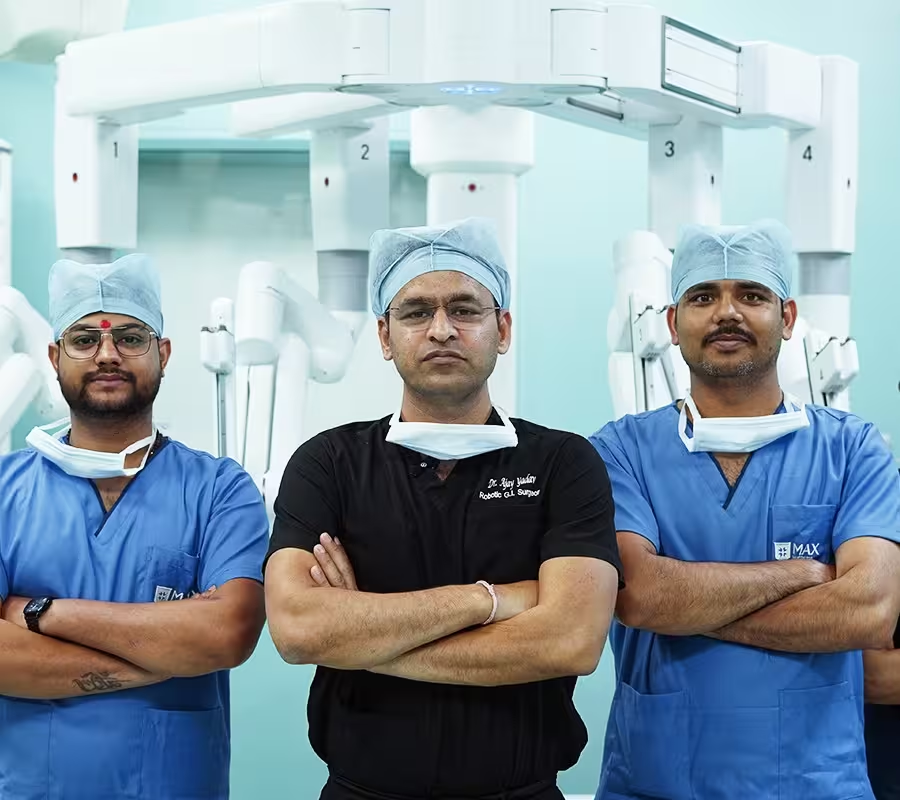
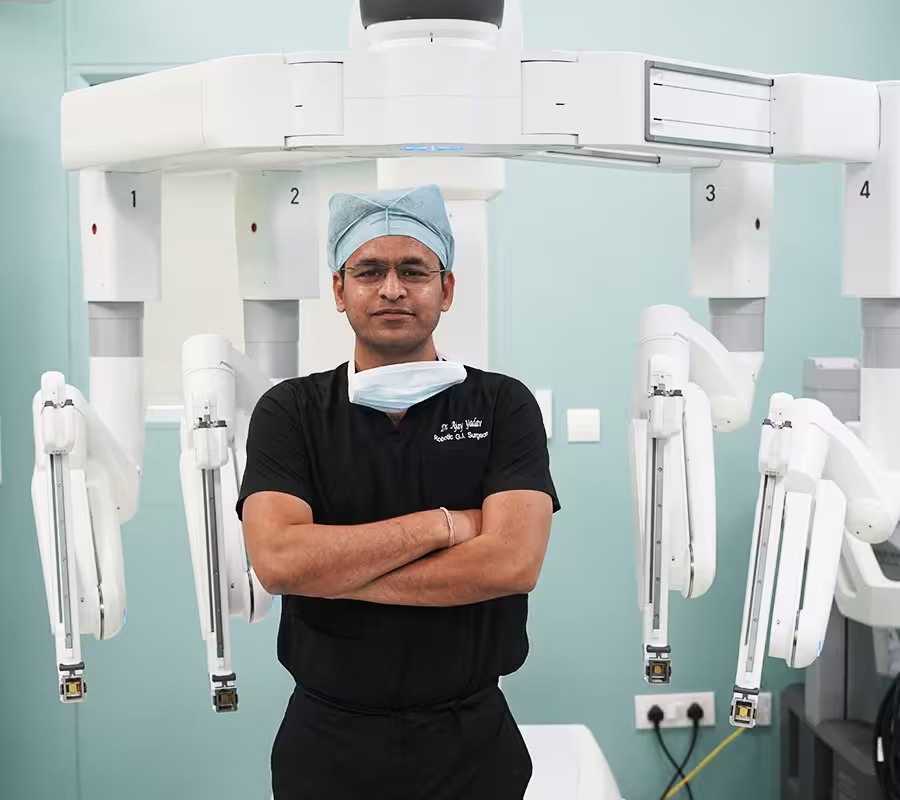
Experienced Gastro Surgeon for Pancreatic Surgery in Lucknow
Pancreatic conditions can be complex because the pancreas lies close to major blood vessels, the bile duct, duodenum and other important abdominal structures. Surgical treatment therefore requires detailed assessment of the disease and careful operative planning.
With 23+ years of surgical experience, Dr. Ajay Yadav provides surgical evaluation for pancreatic and gastrointestinal conditions, including pancreatic tumours and selected complex pancreatic disorders.
His qualifications include MBBS, MS in General Surgery and MCh in Surgical Gastroenterology. Treatment planning is based on imaging, pathology where available, disease location, overall health and whether the condition is suitable for surgical treatment.
What Is Pancreatic Surgery?
Pancreatic surgery involves operations performed to treat selected diseases affecting the pancreas and surrounding pancreaticobiliary structures. Depending on the condition, surgery may involve removing part of the pancreas, removing a pancreatic tumour or cyst, treating complications of pancreatitis, or addressing disease involving nearby structures.
Factors Determining Surgery
Clinical & Anatomical Parameters
- Location of the pancreatic lesion
- Size and nature of the lesion
- Whether the disease is benign, premalignant or malignant
- Relationship with nearby critical blood vessels
- Involvement of the bile duct or duodenum
- Overall health, imaging findings and diagnostic investigations
Anatomical Surgical Approaches
Location-Specific Planning
For pancreatic cancer and lesions, tumour location dictates the surgical pathway:
- Pancreatic Head: Commonly treated with pancreaticoduodenectomy (Whipple procedure).
- Pancreatic Body & Tail: Selected lesions typically require a distal pancreatectomy.
- Central Neck/Body: May be suitable for parenchymal-preserving central resections in select benign/borderline cases.
Pancreatic Conditions That May Require Surgical Evaluation
A clinical evaluation establishes whether surgical management is indicated based on disease pathology, location, and vascular involvement.
01. Pancreatic Tumours
Pancreatic tumours may be benign, premalignant or malignant. Surgical suitability depends on the tumour type, location, extent and relationship with surrounding structures.
02. Pancreatic Cancer
Surgery may be considered for selected patients with resectable pancreatic cancer. Treatment planning may also involve chemotherapy or other oncology treatments before or after surgery.
03. Pancreatic Cysts
Some pancreatic cysts can be monitored, while others may require further investigation or surgical treatment depending on their characteristics and risk features.
04. Pancreatitis Complications
Certain complications of acute or chronic pancreatitis may require surgical intervention when other treatment options are insufficient or when structural complications develop.
05. Pancreatic Neuroendocrine Tumours
Selected pancreatic neuroendocrine tumours may require surgery depending on their size, location, functional status and biological behaviour.
06. Periampullary Tumours
Tumours arising around the ampulla and nearby structures may require complex pancreaticobiliary surgery depending on their origin and extent.
07. Pancreatic Duct Problems
Selected structural problems involving the pancreatic duct may require surgical assessment when symptoms or complications persist.
Pancreatic Surgical Procedures in Lucknow
Depending on the diagnosis and anatomy, advanced surgical options may include:
Whipple Procedure
Pancreaticoduodenectomy
A major operation commonly used for tumours located in the head of the pancreas, involving removal of the pancreatic head, nearby structures, and reconstructive bypasses.
Distal Pancreatectomy
Body & Tail Resection
Removes the body and/or tail of the pancreas for selected tumours located in these regions. The spleen may also be removed depending on oncological requirements.
Central Pancreatectomy
Parenchyma-Sparing
In selected lesions located in the pancreatic neck or central portion, a limited pancreatic resection may be considered to preserve endocrine and exocrine function.
Total Pancreatectomy
Complete Organ Removal
A major operation involving removal of the entire pancreas, reserved for select multi-focal clinical situations or extensive genetic conditions.
Pancreatic Cyst Surgery
Targeted Resection
Selected cystic lesions may require surgical removal after assessment of their size, morphology, symptoms, mucinous nature, and risk characteristics.
Complex Pancreatobiliary
Multivisceral & Vascular
Some conditions involve the bile duct, duodenum, stomach or nearby vascular structures and require carefully planned complex multidisciplinary surgery.
Whipple Surgery in Lucknow
The Whipple procedure, or pancreaticoduodenectomy, is one of the most complex operations performed for pancreatic and periampullary disease, commonly indicated for tumours arising in the head of the pancreas.
What the Operation Involves
Resection & Reconstruction
The operation may involve removal of:
- Head of the pancreas
- Duodenum
- Gallbladder and part of the bile duct
- Nearby regional lymph nodes
- Sometimes part of the stomach
The remaining pancreas, bile duct and stomach/intestine are then meticulously reconnected to restore the digestive tract.
Surgical Planning Matters
Multidisciplinary Evaluation
A Whipple procedure is not suitable for every pancreatic tumour. Before recommending surgery, the surgical team evaluates:
- High-resolution multiphase CT/MRI imaging
- Tumour extent and vascular involvement (portal vein/SMA)
- Absence of distant metastatic disease
- Cardiopulmonary fitness for major surgery
- Multidisciplinary tumour board inputs (oncology, radiology, pathology)
Pancreatic Cancer Surgery with Individualized Treatment Planning
Pancreatic cancer surgery requires more than simply identifying a tumour. The surgical team needs to determine whether the tumour can be removed safely and whether surgery is likely to provide meaningful clinical benefit.
Important evaluation factors include:
Minimally Invasive Pancreatic Surgery
Selected pancreatic procedures may be performed using laparoscopic or robotic-assisted techniques.
However, pancreatic surgery is highly procedure- and patient-specific. The minimally invasive approach depends on the type and location of the lesion, surgical complexity, previous operations, anatomy and surgeon/hospital expertise. Robotic or laparoscopic surgery should therefore be considered a surgical approach, not a guarantee of better outcomes for every patient. For complex pancreatic operations, an open approach may remain the most appropriate option.
Symptoms & Findings That May Require Pancreatic Evaluation
A specialist consultation may be appropriate if you have any of the following symptoms or diagnostic findings:
From Diagnosis to Surgical Treatment
A structured, multi-step pathway ensures diagnostic accuracy, anatomical precision, and safety at every stage.
Detailed Consultation
Symptoms, medical history, previous treatment and available reports are reviewed.
Imaging Review
CT, MRI/MRCP, ultrasound, PET or other investigations are assessed depending on the condition.
Disease Assessment
The nature, location and extent of the pancreatic condition are thoroughly evaluated.
Surgical Feasibility
The relationship of the disease to nearby vessels and organs is assessed when relevant.
Treatment Planning
Surgery, observation, endoscopic treatment, chemotherapy or other options are discussed.
Surgery & Recovery
If surgery is recommended, the appropriate procedure is planned, followed by structured postoperative care.
Which Surgical Approach Is Appropriate?
The decision is individualized. The presence of a robotic or laparoscopic option does not automatically mean it is the best option. The surgical approach should be selected according to the patient's disease, anatomy and safety requirements.
Minimally Invasive Surgery
Laparoscopic & Robotic Techniques
- Smaller abdominal incisions
- Camera-assisted surgical view
- Appropriate for selected procedures (e.g., distal pancreatectomy, enucleations)
- May be considered for selected pancreatic resections
- Approach depends on surgeon expertise and patient factors
Open Surgery
Conventional Surgical Approach
- Larger surgical incision
- Direct access to the operative area
- Important for complex operations requiring vascular resection/reconstruction
- May provide the most appropriate access for extensive disease
- Often used for major complex pancreatic surgery
Recovery After Pancreatic Surgery
Pancreatic operations are major abdominal procedures, and recovery varies depending on the type and complexity of surgery.
Following surgery, patients may require monitoring of:
After a Whipple or other major pancreatic resection, some patients may experience changes in digestion, weight or blood sugar control and may require nutritional or enzyme support. The exact recovery timeline is discussed individually based on the procedure performed.
Safety Comes Before Surgical Technology
Pancreatic surgery can involve major blood vessels and multiple digestive organs. Complications can include bleeding, infection, leakage from surgical connections, delayed stomach emptying, digestive problems and changes in glucose control.
For this reason, surgical planning should consider:
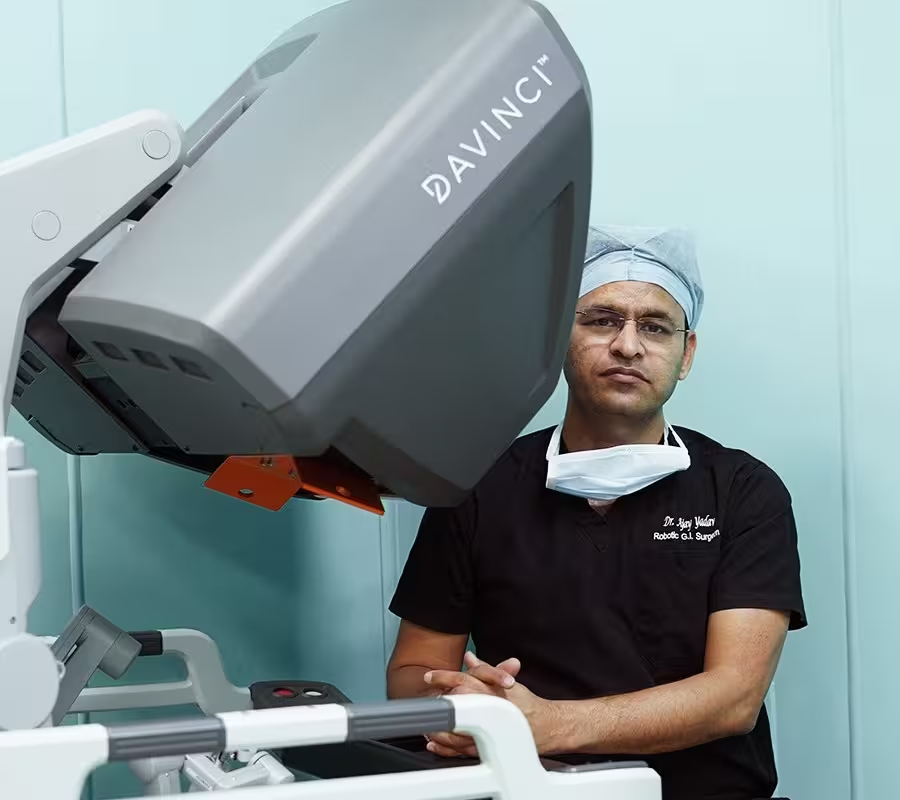
Why Consult Dr. Ajay Yadav for Pancreatic Surgery?
Pancreatic surgery requires detailed surgical training, precision dissection, and structured preoperative planning. Dr. Ajay Yadav delivers patient-focused care supported by specialized credentials.
Frequently Asked Questions
01 What does a pancreatic surgeon treat?
02 What is a Whipple procedure?
03 When is distal pancreatectomy performed?
04 Does every pancreatic cyst require surgery?
05 Can pancreatic surgery be performed robotically?
06 Is pancreatic cancer always treated with surgery?
07 Is a Whipple procedure a major surgery?
08 How long does recovery take after pancreatic surgery?
Looking for Pancreatic Surgery in Lucknow?
A pancreatic diagnosis can be complex, and the right treatment depends on understanding the exact disease, its location and its relationship with surrounding structures. Dr. Ajay Yadav provides specialist surgical evaluation for pancreatic and gastrointestinal conditions, with treatment planned according to each patient's clinical requirements.