
Colorectal Surgery in Lucknow
Advanced Surgical Care for Colon, Rectum & Anorectal Conditions
Dr. Ajay Yadav is an experienced Gastro Surgeon in Lucknow with 23+ years of surgical experience and advanced training in Surgical Gastroenterology. He provides evaluation and surgical management for conditions affecting the colon, rectum and lower gastrointestinal tract, with laparoscopic and other minimally invasive approaches considered when clinically appropriate.
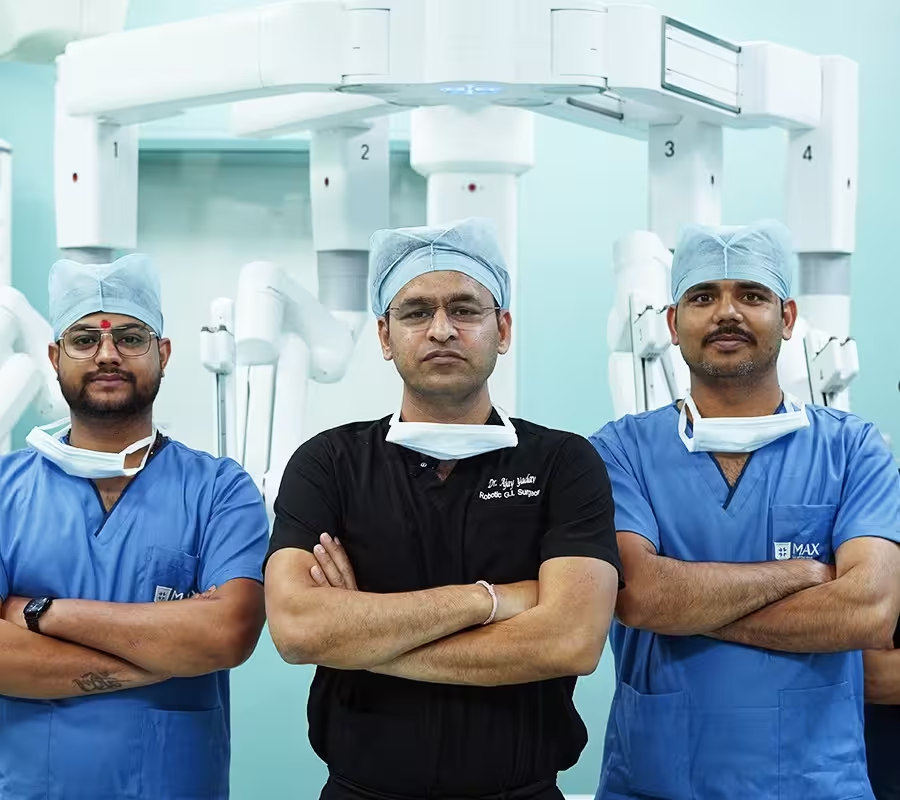
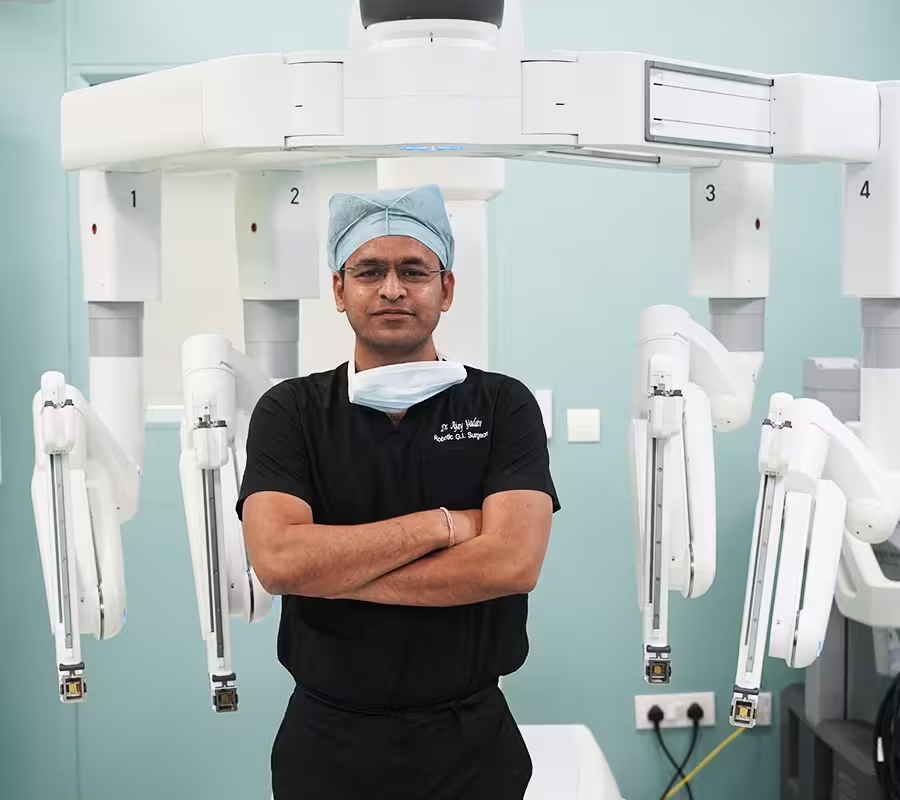
Experienced Gastro Surgeon for Colorectal Conditions in Lucknow
Colorectal problems can range from common conditions such as haemorrhoids and anal disorders to complex diseases involving the colon and rectum. Appropriate treatment begins with understanding the underlying cause rather than treating symptoms alone.
With 23+ years of surgical experience, Dr. Ajay Yadav evaluates patients with colorectal and lower gastrointestinal conditions and develops a treatment plan based on the diagnosis, severity of disease, overall health and surgical requirements.
His qualifications include MBBS, MS in General Surgery and MCh in Surgical Gastroenterology, with extensive experience in advanced gastrointestinal and minimally invasive surgery.
What Is Colorectal Surgery?
Colorectal surgery focuses on diseases affecting the colon, rectum and anus. Depending on the condition, treatment may involve medicines, dietary and lifestyle measures, endoscopic procedures or surgery.
Surgery may be considered when symptoms are persistent, complications develop, medical treatment is insufficient, or a structural problem requires correction.
Colon Conditions
Upper & Middle Lower GI
- Colon polyps requiring surgical management
- Diverticular disease and complicated diverticulitis
- Colonic strictures and bowel obstruction
- Selected inflammatory bowel conditions
- Colon tumours and colorectal cancer
Rectal & Anorectal Conditions
Pelvic Floor & Lower Canal
- Rectal tumours and colorectal cancer
- Rectal prolapse repair
- Haemorrhoids (Piles) evaluation & management
- Anal fissure and fistula-in-ano
- Perianal abscess and anorectal disorders
Colorectal Conditions Evaluated & Surgically Managed
A clinical evaluation determines whether surgical intervention is indicated based on symptom severity, pathology, and structural involvement.
01. Colon Cancer
Surgical treatment may involve removal of the affected segment of colon along with appropriate lymph-node clearance, depending on the location and stage of disease.
02. Rectal Cancer
Rectal cancer surgery requires careful planning based on tumour location, stage and relationship with surrounding structures. In selected patients, sphincter-preserving procedures may be considered.
03. Diverticular Disease
Complicated diverticular disease may sometimes require surgery, particularly when complications such as perforation, abscess, fistula or stricture develop.
04. Colonic Polyps
Some polyps can be removed endoscopically, while selected lesions may require surgical removal depending on their size, location, pathology or technical considerations.
05. Rectal Prolapse
Rectal prolapse occurs when part or all of the rectum protrudes through the anus. Surgical treatment is considered based on symptoms, severity and the patient's overall condition.
06. Haemorrhoids
Most symptomatic haemorrhoids can initially be managed without surgery. Surgical treatment may be considered for selected patients with significant or advanced disease.
07. Anal Fissure & Fistula
Persistent or complicated anal fissures and fistula-in-ano may require surgical evaluation and treatment after establishing the underlying anatomy.
08. Bowel Obstruction & Strictures
Narrowing or blockage of the bowel may require surgical intervention depending on the cause, severity and clinical condition.
Colorectal Surgical Procedures in Lucknow
Depending on the diagnosis and individual patient factors, surgical options are planned after reviewing clinical findings, imaging, endoscopy, biopsy reports and overall health.
Colorectal Cancer Surgery with Individualized Planning
Surgery is an important component of treatment for many patients with colon or rectal cancer. However, the surgical plan depends on the location and extent of the tumour, staging investigations, involvement of nearby structures and the patient's overall health.
Dr. Ajay Yadav evaluates the available reports and discusses the appropriate surgical approach for each patient.
Colon Resection
Partial or complete colectomy with clear margins and oncological vascular ligation.
Rectal Cancer Surgery
Total Mesorectal Excision (TME) tailored to disease height and local pelvic boundaries.
Lymph-Node Dissection
Systematic regional lymphadenectomy for accurate pathological staging.
Sphincter Preservation
Sphincter-preserving procedures prioritized in suitable rectal cancer cases to maintain natural bowel continence.
Multidisciplinary Coordination
Coordination with medical and radiation oncology specialists for neoadjuvant or adjuvant therapies.
Laparoscopic Colorectal Surgery in Lucknow
Laparoscopic surgery uses small abdominal incisions and a camera-assisted surgical view instead of the larger incision used in conventional open surgery. For appropriately selected colorectal conditions, minimally invasive surgery may be an option.
Which Surgical Approach Is Right for You?
The surgical approach must be carefully tailored to the specific condition, tumor location, previous surgeries, and the patient's individual anatomy.
Laparoscopic Surgery
Minimally Invasive Technique
- Smaller abdominal incisions
- Camera-assisted surgical view
- Suitable for selected cases
- May support earlier mobilisation
- Minimally invasive approach
Open Surgery
Conventional Surgical Approach
- Larger surgical incision
- Direct operative access
- Useful for complex or unsuitable cases
- May be necessary for extensive disease
- Conventional surgical approach
Symptoms That Should Not Be Ignored
Consider a specialist colorectal evaluation if you experience any of the following symptoms:
From Diagnosis to Treatment
A structured pathway ensures comprehensive diagnostic clarity and coordinated care at every stage.
Clinical Consultation
Your symptoms, medical history and previous treatment are reviewed.
Diagnostic Evaluation
Depending on the condition, investigations may include blood tests, imaging, colonoscopy, biopsy or other relevant examinations.
Surgical Assessment
The nature and severity of the condition are assessed to determine whether surgery is actually required.
Treatment Planning
If surgery is appropriate, the surgeon discusses the procedure, available approaches, expected recovery and potential risks.
Surgery
The planned procedure is performed using laparoscopic or open surgery depending on the clinical situation.
Recovery & Follow-Up
Postoperative recovery, wound care, diet, bowel function and follow-up are monitored according to the procedure performed.
What Should You Bring to Your Appointment?
For a more productive consultation, patients should bring the following records:
This helps the surgeon understand the complete clinical picture before recommending further treatment.
Recovery After Colorectal Surgery
Recovery varies considerably depending on the procedure, the underlying disease and whether surgery was performed laparoscopically or through an open approach.
After surgery, patients may receive guidance regarding:
Patients undergoing cancer surgery may also require further treatment or surveillance based on the final pathology and stage of disease.
Choosing the Right Operation, Not Just the Latest Technology
Colorectal surgery can range from relatively straightforward procedures to highly complex operations involving the colon, rectum and surrounding structures.
The surgical approach is selected after considering:
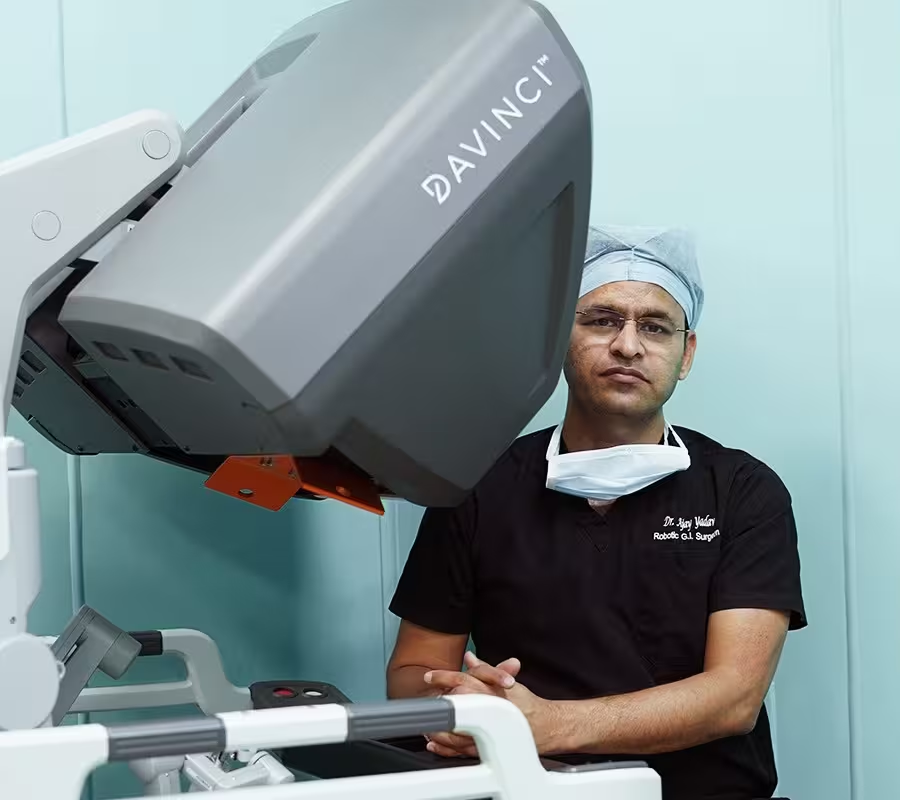
Why Consult Dr. Ajay Yadav for Colorectal Surgery?
Colorectal surgery requires a precise understanding of pelvic anatomy, bowel pathology, and surgical techniques. Dr. Ajay Yadav provides personalized care tailored to the individual patient's clinical situation.
Frequently Asked Questions
01 What does a colorectal surgeon treat?
02 Is every colorectal condition treated with surgery?
03 Is colorectal surgery possible through laparoscopy?
04 Does rectal bleeding always mean piles?
05 When is surgery required for diverticular disease?
06 Can colorectal cancer be treated with surgery?
07 How long does recovery take after colorectal surgery?
08 Is open surgery still used for colorectal conditions?
Need an Evaluation for a Colorectal Condition?
Persistent bowel symptoms, rectal bleeding or a diagnosed colorectal condition deserve proper specialist evaluation. Dr. Ajay Yadav provides comprehensive surgical evaluation for colorectal and gastrointestinal conditions in Lucknow, with minimally invasive approaches considered when clinically appropriate.