
Gall Bladder & Biliary Tract Surgery
in Lucknow
Looking for an experienced Gallbladder Surgeon in Lucknow for gallstones, gallbladder disease or bile duct problems? Dr. Ajay Yadav is a Gastro Surgeon with 23+ years of surgical experience and advanced training in Surgical Gastroenterology. He evaluates gallbladder and biliary tract conditions and recommends the most appropriate surgical approach based on the diagnosis, disease complexity and patient's overall health.
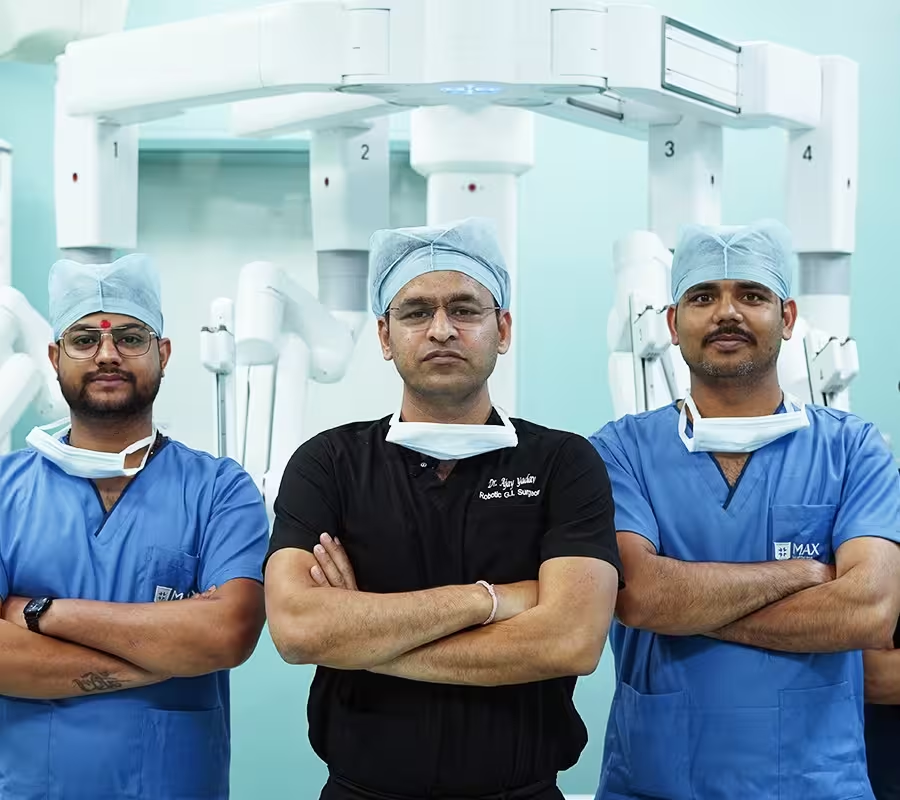
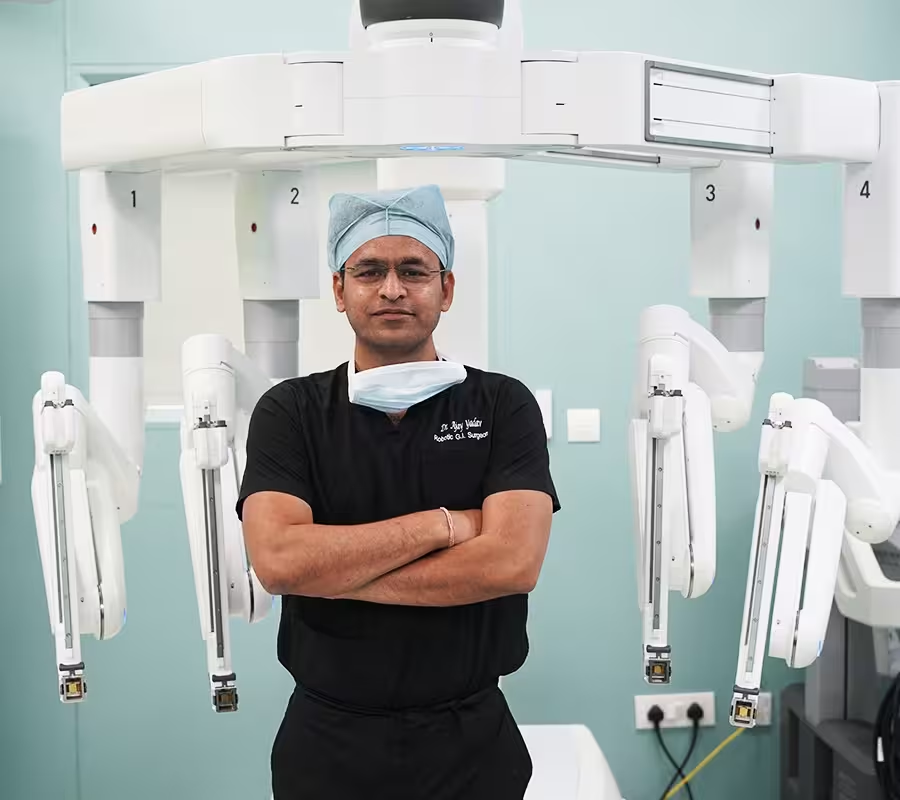
Experienced Gallbladder & Gastro Surgeon in Lucknow
Dr. Ajay Yadav is an experienced Gastro Surgeon in Lucknow with more than 23 years of surgical experience. He has completed MBBS, MS in General Surgery and MCh in Surgical Gastroenterology, with expertise in gastrointestinal, gallbladder and biliary surgery.
He evaluates patients with gallstones, gallbladder inflammation, bile duct stones and other biliary conditions that may require surgical treatment. His approach begins with understanding the diagnosis and extent of disease before deciding whether laparoscopic, robotic-assisted or open surgery is appropriate.
For complex biliary conditions, careful assessment of the anatomy and surgical complexity is particularly important. The final treatment approach is selected according to the individual patient's clinical situation.
What Is Gallbladder & Biliary Tract Surgery?
Gallbladder and biliary tract surgery includes procedures used to treat selected conditions affecting the gallbladder and the network of bile ducts that carry bile from the liver and gallbladder to the intestine.
The most common operation is laparoscopic cholecystectomy, which involves removing the gallbladder. It is commonly used for symptomatic gallstones and selected gallbladder conditions. Other biliary procedures may be required when stones or disease involve the common bile duct or other parts of the biliary system. The exact procedure depends on the underlying condition, imaging findings, anatomy and overall health of the patient.
Gallbladder & Biliary Conditions That May Require Surgery
A clinical evaluation determines whether surgical intervention is indicated based on symptom severity, stone characteristics, and biliary tract involvement.
Gallstones
Gallstones that cause recurrent pain or other symptoms may require surgical evaluation and, in suitable patients, gallbladder removal.
Acute Cholecystitis
Inflammation of the gallbladder can require surgical treatment, with laparoscopic cholecystectomy commonly used when appropriate.
Common Bile Duct Stones
Stones in the common bile duct may require a combination of endoscopic and/or surgical treatment depending on the clinical situation.
Biliary Strictures
Narrowing of the bile ducts requires careful evaluation to determine the cause and appropriate treatment.
Gallbladder Polyps
Some gallbladder polyps require monitoring, while selected lesions may require surgical assessment depending on their characteristics and clinical risk.
Gallbladder & Biliary Tract Tumours
Suspicious gallbladder or biliary lesions require specialist evaluation and appropriate surgical planning.
Gallbladder & Biliary Surgery Options
Procedures are carefully tailored to ensure complete symptom resolution, preserve ductal integrity, and prioritize patient safety.
Laparoscopic Cholecystectomy
Minimally Invasive Removal
Removal of the gallbladder through a minimally invasive laparoscopic approach. It is widely used for suitable patients with symptomatic gallbladder disease.
Robotic Gallbladder Surgery
Advanced Console Control
Robotic-assisted surgery may be considered for selected gallbladder procedures when the technology and surgical approach are clinically appropriate.
Bile Duct Stone Management
Endoscopic & Laparoscopic Care
Patients with common bile duct stones may require an individualized treatment plan involving endoscopic, laparoscopic or other appropriate interventions.
Complex Biliary Surgery
Specialized Reconstruction
Some patients with difficult anatomy, previous abdominal surgery, severe inflammation or complex biliary disease may require more advanced surgical planning.
Open Biliary Surgery
Conventional Approach
Open surgery may be appropriate in selected complex cases where a minimally invasive approach is not the safest option.
When Is Gallbladder Surgery Recommended?
Surgery may be considered when gallbladder disease causes significant symptoms or complications.
Common situations include:
Which Surgical Approach Is Right for Gallbladder Surgery?
There is no single surgical technique that is appropriate for every patient. Current surgical guidance emphasizes patient- and case-specific decision-making rather than assuming one approach is universally preferable.
Laparoscopic Surgery
Standard Keyhole Technique
- Minimally invasive approach through small incisions
- Commonly used for suitable gallbladder conditions
- Supports earlier recovery and minimal postoperative discomfort
Robotic-Assisted Surgery
High-Precision Console
- Uses a robotic surgical platform controlled by the surgeon
- May be considered for selected complex or delicate procedures
- Magnified 3D visualization and wristed instrument control
Open Surgery
Conventional Exposure
- Recommended when disease is complex or extensive
- Used when anatomy is altered by severe inflammation or scarring
- Essential when a minimally invasive approach is not considered safe
Your Gallbladder Surgery Journey
A structured five-step evaluation ensures complete surgical clarity and patient comfort from diagnosis to recovery.
Initial Consultation
Symptoms, previous medical history and existing reports are reviewed.
Diagnostic Evaluation
Ultrasound, blood tests and other imaging or investigations may be reviewed depending on the condition.
Assessing Biliary Anatomy
The location of stones, inflammation and any suspected bile duct involvement are evaluated.
Choosing the Surgical Approach
The surgeon determines whether laparoscopic, robotic-assisted or open surgery is appropriate.
Surgery & Recovery
The procedure is performed according to the planned approach, followed by individualized postoperative care.
Recovery After Gallbladder Surgery
Recovery varies depending on the procedure, the severity of the disease and the patient's overall health. Patients are provided guidance regarding pain management, wound care, diet, activity and follow-up.
Immediately After
Monitoring, pain management and early mobilization as appropriate.
Diet & Activity
Diet is gradually progressed according to individual tolerance and surgical advice.
Normal Routine
Activity is increased gradually, with restrictions depending on the type of procedure and recovery.
Follow-Up Care
Follow-up helps assess healing and address any postoperative symptoms or concerns.
Safety Is Central to Gallbladder Surgery
Gallbladder surgery involves working close to important bile ducts and blood vessels. Careful identification of the biliary anatomy is therefore an essential part of safe surgical technique.
In difficult cases—such as severe inflammation, previous abdominal surgery or complex anatomy—the surgical plan may need to be modified to prioritize patient safety.
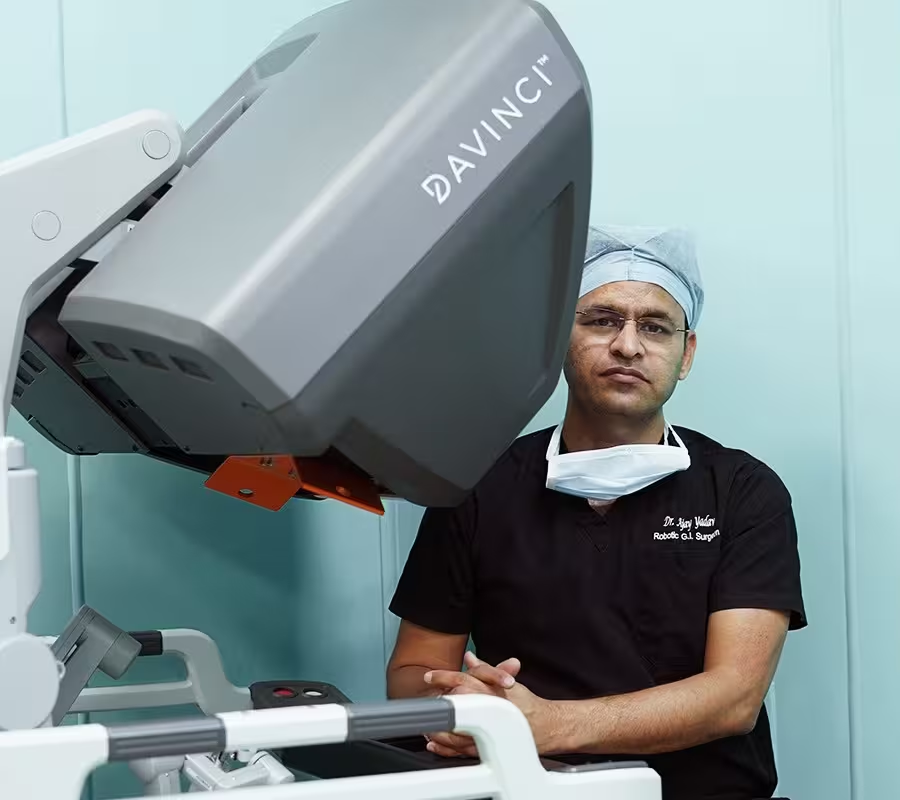
Why Choose Dr. Ajay Yadav for Gallbladder Surgery in Lucknow?
Gallbladder and biliary surgery requires careful understanding of anatomy, disease severity and the appropriate surgical approach. Dr. Ajay Yadav combines specialized Gastro Surgery training with more than 23 years of surgical experience to provide individualized evaluation and treatment planning.
Frequently Asked Questions
01 Is every gallstone treated with surgery?
02 What is the most common surgery for gallstones?
03 Can bile duct stones be treated without gallbladder surgery?
04 Is robotic gallbladder surgery better than laparoscopic surgery?
05 How long does gallbladder surgery take?
06 What happens if the gallbladder surgery is difficult?
07 When should I see a gallbladder surgeon?
Need Gallbladder or Biliary Tract Surgery in Lucknow?
If you have been diagnosed with gallstones, gallbladder disease or a biliary tract condition, a specialist surgical consultation can help you understand your diagnosis and the treatment options appropriate for your condition.