
Robotic Gastro Surgeon
in Lucknow
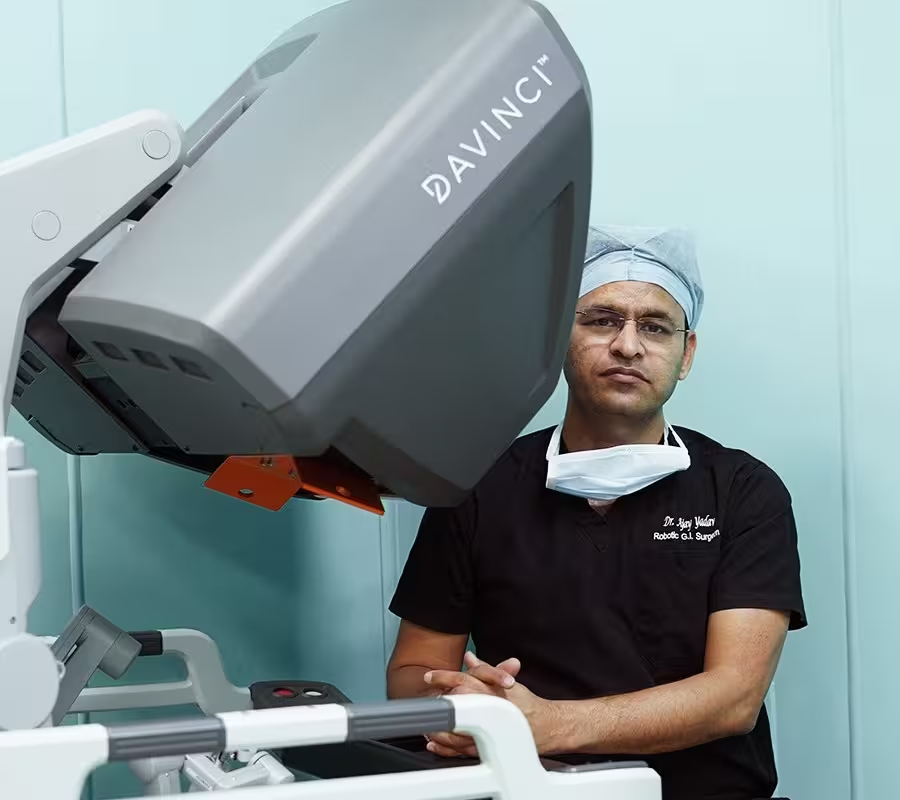
Advanced Robotic GI Surgery by Dr. Ajay Yadav, Director & Head of the Department of Gastro Surgery at Max Healthcare, Lucknow. With 23+ years of surgical experience and expertise in advanced laparoscopic and robotic procedures, he evaluates each patient and recommends robotic, laparoscopic, or open surgery based on the diagnosis, anatomy, and complexity of the condition.
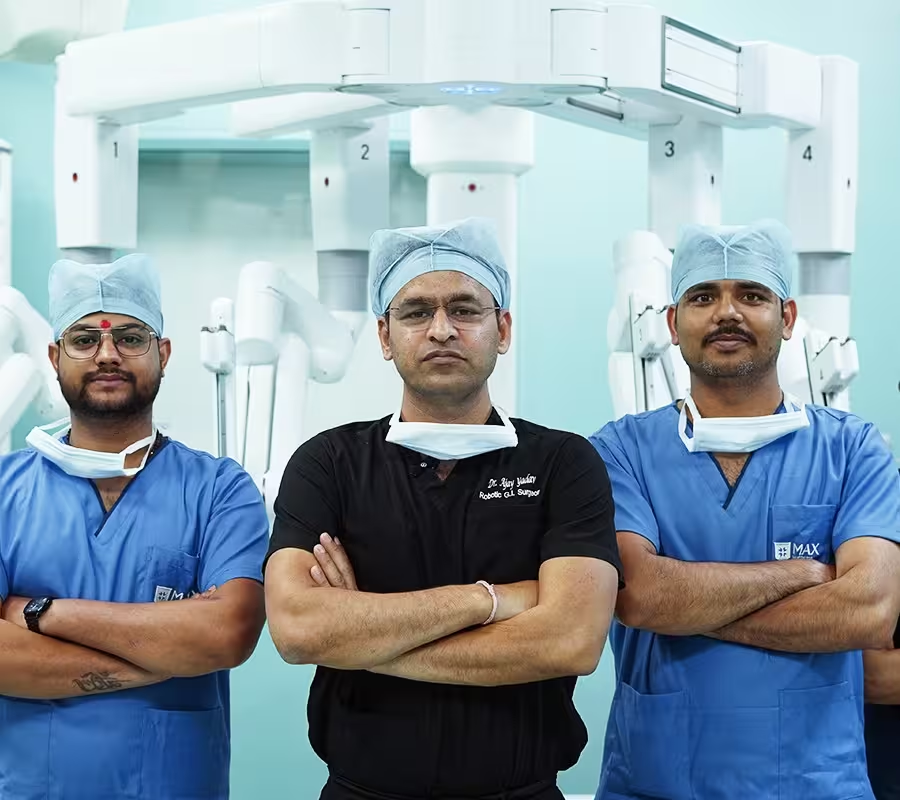
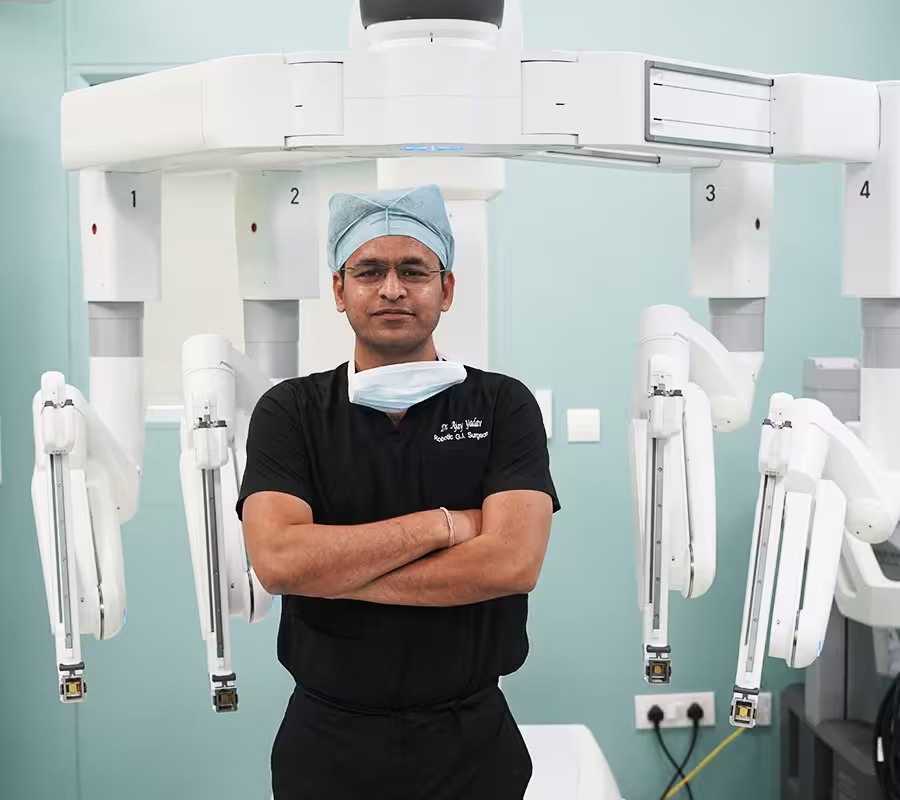
Director & Head — Department of Gastro Surgery, Max Healthcare, Lucknow
Dr. Ajay Yadav is a highly experienced Gastro Surgeon specializing in advanced gastrointestinal, laparoscopic, and robotic surgery. He has completed MBBS, MS in Surgery, and MCh in Gastro Surgery from Gujarat University.
23+ Years of Surgical Experience: His experience includes the management of complex gastrointestinal conditions requiring carefully planned surgical treatment.
Advanced Robotic & Laparoscopic Expertise: He performs selected GI procedures using advanced minimally invasive and robotic techniques when clinically appropriate.
Robotic GI Surgery: His expertise includes complex robotic gastrointestinal procedures, including robotic approaches to selected major GI surgeries.
Leadership at Max Healthcare: As Director & Head of the Department of Gastro Surgery at Max Healthcare, Lucknow, he brings specialist surgical expertise and advanced technology together for comprehensive gastrointestinal care.
What Is Robotic Gastro Surgery?
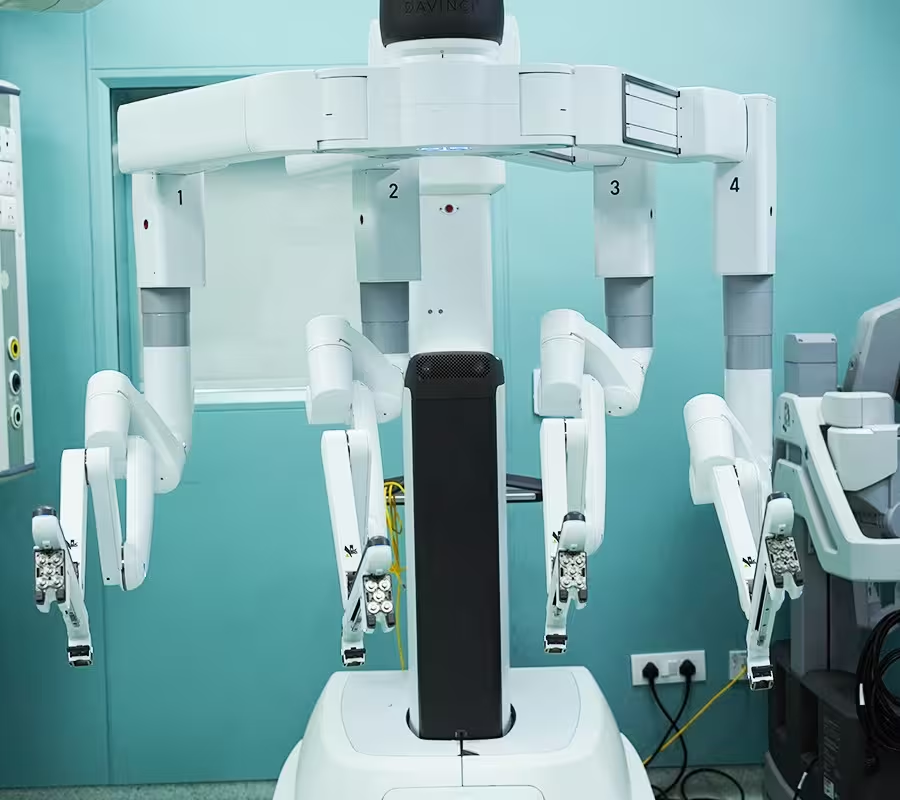
Robotic gastro surgery is a type of surgery where the surgeon uses a robotic system to perform selected gastrointestinal operations. The robot does not perform the surgery by itself—the surgeon controls the instruments throughout the operation.
A camera and specialized robotic instruments are placed through small cuts when robotic surgery is suitable. The surgeon controls these instruments from a console and sees the surgical area through a magnified 3D view. Robotic instruments can move in several directions, giving the surgeon more freedom while working in small or difficult areas.
How Is Robotic Gastro Surgery Performed?
The steps of robotic gastro surgery vary according to the organ being treated and the type of surgery required. Treatment begins with a detailed pre-operative assessment.
Pre-Operative Review
Comprehensive clinical & diagnostic checks
Before surgery, the medical team conducts a thorough evaluation:
- Previous treatment & current medicines
- Previous abdominal surgeries & clinical records
- Blood investigations & diagnostic lab tests
- Imaging reports (CT, Ultrasound & Scans)
- Fitness check for general anaesthesia
Surgical Execution & Closure
Performed under general anaesthesia
Small cuts are made for the camera and tools. Controlled from the console, the surgeon may:
- Carefully separate tissues
- Remove diseased tissue or an affected organ
- Repair defects & perform precise suturing
- Reconstruct part of the digestive tract when required
Once completed, the instruments are removed, cuts are closed, and the patient is monitored in the recovery area.

When May Robotic Gastro Surgery Be Considered?
Robotic gastro surgery may be considered when a gastrointestinal problem needs surgery and the robotic system can be useful for that particular operation.
Factors influencing the decision include:
Robotic surgery is not automatically the right choice for every patient. Laparoscopic or open surgery may be a better option in some cases. The decision depends on diagnosis, anatomy, previous surgery, and disease severity.
Benefits of Robotic Gastro Surgery
Robotic surgical systems give the surgeon a magnified view and flexible instruments, which can be useful during selected gastrointestinal surgeries.
Magnified 3D View
Gives the surgeon a clearer view of the area being operated on.
Wristed Instruments
Allow a wider range of movement than conventional laparoscopic tools.
Controlled Dissection
Small instrument movements help while carefully separating tissues.
Precise Suturing
Helps with delicate internal stitches and digestive tract reconstruction.
Small Incisions
Many robotic surgeries are performed through small keyhole cuts.
Access to Difficult Areas
Useful when working in narrow or difficult-to-reach abdominal spaces.
Recovery After Robotic Gastro Surgery
Recovery after robotic gastro surgery is different for each operation. A simpler surgery may have a shorter recovery than a major gastrointestinal operation that involves reconstruction.
Immediately After Surgery
Monitored in recovery. Pain medicines and IV fluids are provided when needed, with walking started early if the patient is ready.
First Few Days at Home
Follow instructions on wound care, prescribed medicines, hydration, physical activity, and gradual dietary progression from liquids to regular food.
Returning to Work & Physical Activity
Desk workers return earlier than physical laborers. Physical activity is increased gradually; avoid heavy lifting and hard exercise until cleared.
Follow-Up Consultations
Follow-up visits allow the doctor to check wound healing, recovery progress, nutritional needs, and any symptoms needing further attention.
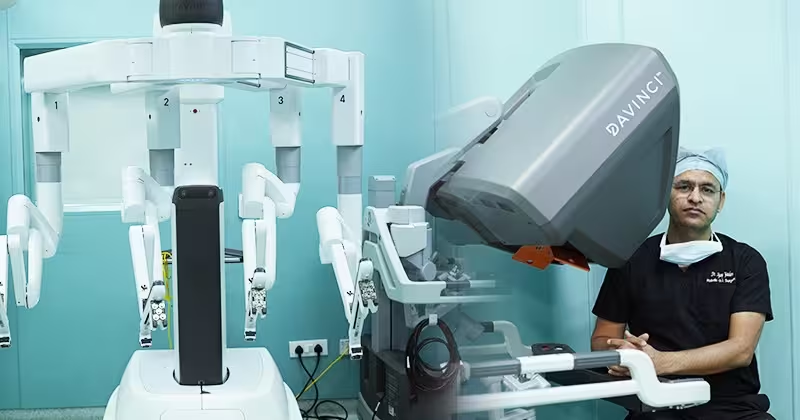
Why Choose Dr. Ajay Yadav for Robotic Gastro Surgery in Lucknow?
Choosing a robotic surgeon is not only about access to robotic technology. It is also about the surgeon's experience with complex gastrointestinal surgery and the ability to select the right surgical approach for each patient.