
Advanced Laparoscopic Surgery
in Lucknow
Looking for an experienced Laparoscopic Surgeon in Lucknow? Dr. Ajay Yadav is a Gastro Surgeon with 23+ years of surgical experience and advanced training in Surgical Gastroenterology. He performs laparoscopic procedures for selected gastrointestinal, abdominal and related surgical conditions, based on the patient's diagnosis and clinical requirements.
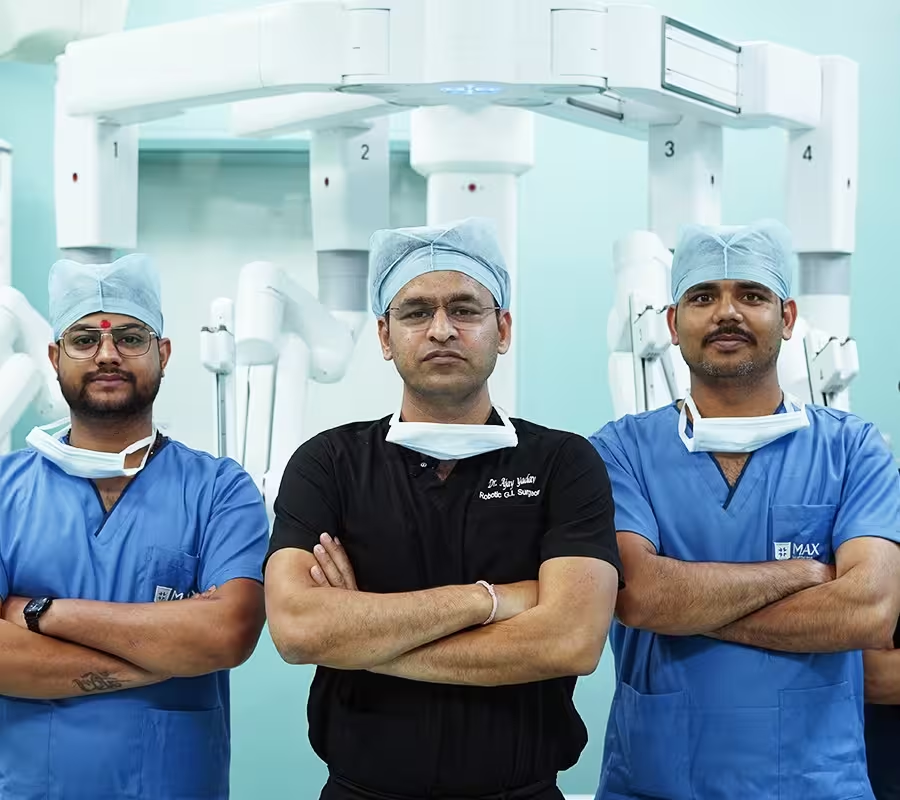
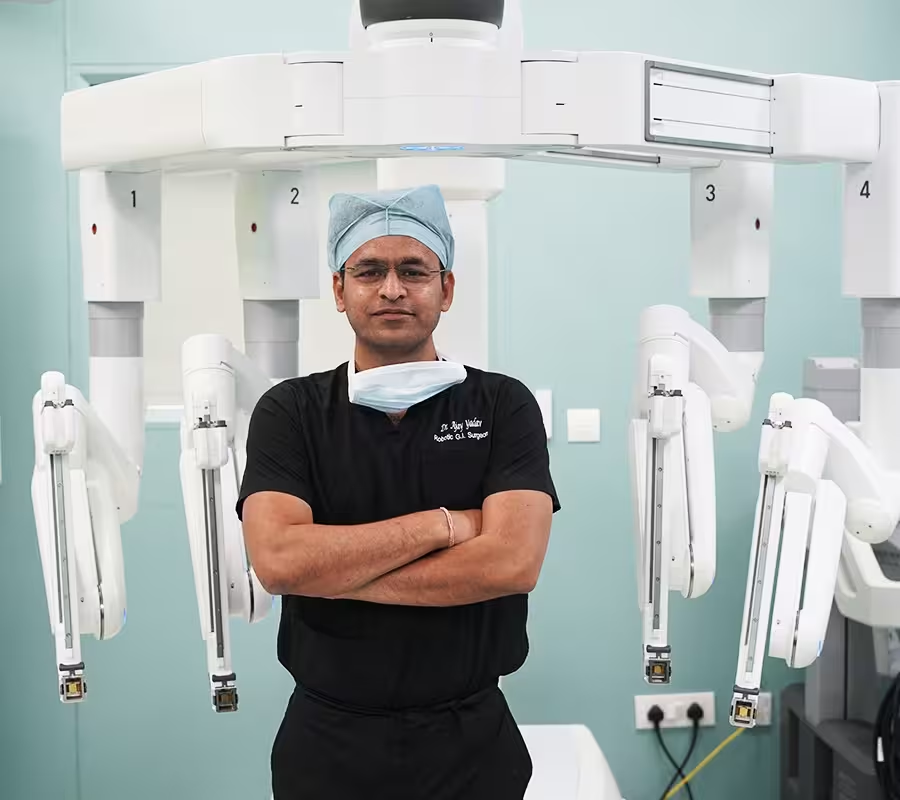
Experienced Laparoscopic & Gastro Surgeon in Lucknow
Dr. Ajay Yadav is an experienced Gastro Surgeon in Lucknow with more than 23+ years of surgical experience. He has completed MBBS, MS in General Surgery and MCh in Surgical Gastroenterology, with a surgical practice focused on gastrointestinal and abdominal conditions.
His expertise includes advanced laparoscopic surgery and minimally invasive gastrointestinal procedures. Depending on the condition, laparoscopic surgery may offer an alternative to conventional open surgery through smaller incisions and specialized surgical instruments.
Dr. Ajay Yadav evaluates each patient individually to determine whether laparoscopic, robotic-assisted or open surgery is the most appropriate approach.
What Is Advanced Laparoscopic Surgery?
Laparoscopic surgery is a minimally invasive surgical technique performed through small incisions using a camera and specialized instruments. The surgeon views the operating area on a monitor and performs the procedure through these small access points.
Advanced laparoscopic surgery can be used for a range of gastrointestinal, abdominal and biliary conditions. The suitability of laparoscopic surgery depends on the patient's diagnosis, previous surgeries, overall health and complexity of the condition.
Laparoscopic Procedures for Gastrointestinal & Abdominal Conditions
Depending on the diagnosis and clinical suitability, laparoscopic surgery may be considered for procedures such as:
Laparoscopic Gallbladder Surgery
Commonly performed for symptomatic gallstones and selected gallbladder conditions.
Laparoscopic Hernia Surgery
Minimally invasive repair of selected abdominal wall and groin hernias.
Laparoscopic Gastrointestinal Surgery
Selected procedures involving the stomach, intestine and other parts of the digestive system.
Laparoscopic Bariatric Surgery
Minimally invasive surgical options for eligible patients requiring bariatric or metabolic surgery.
Advanced Abdominal Surgery
Laparoscopic approaches may be considered for selected complex abdominal conditions.
Diagnostic & Therapeutic Laparoscopy
Laparoscopic evaluation and treatment when clinically indicated.
Laparoscopic Surgery vs Open Surgery
Laparoscopic surgery uses smaller incisions compared with conventional open surgery. For suitable patients, minimally invasive surgery may offer benefits such as smaller surgical wounds and potentially faster recovery.
However, laparoscopic surgery is not appropriate for every patient or every condition. Open surgery may be recommended when the disease is complex, extensive, or when a minimally invasive approach would not provide the safest treatment.
Laparoscopic Surgery
Minimally Invasive Technique
- Incision: Smaller incisions with reduced wound size
- Visualization: High-definition camera-assisted visualization
- Approach: Minimally invasive with targeted tissue handling
- Indications: Suitable for selected routine & advanced conditions
Open Surgery
Conventional Surgical Approach
- Incision: Standard, single abdominal incision
- Visualization: Direct wide-field operative access
- Approach: Traditional open surgical intervention
- Indications: Ideal for complex, extensive, or re-operative cases
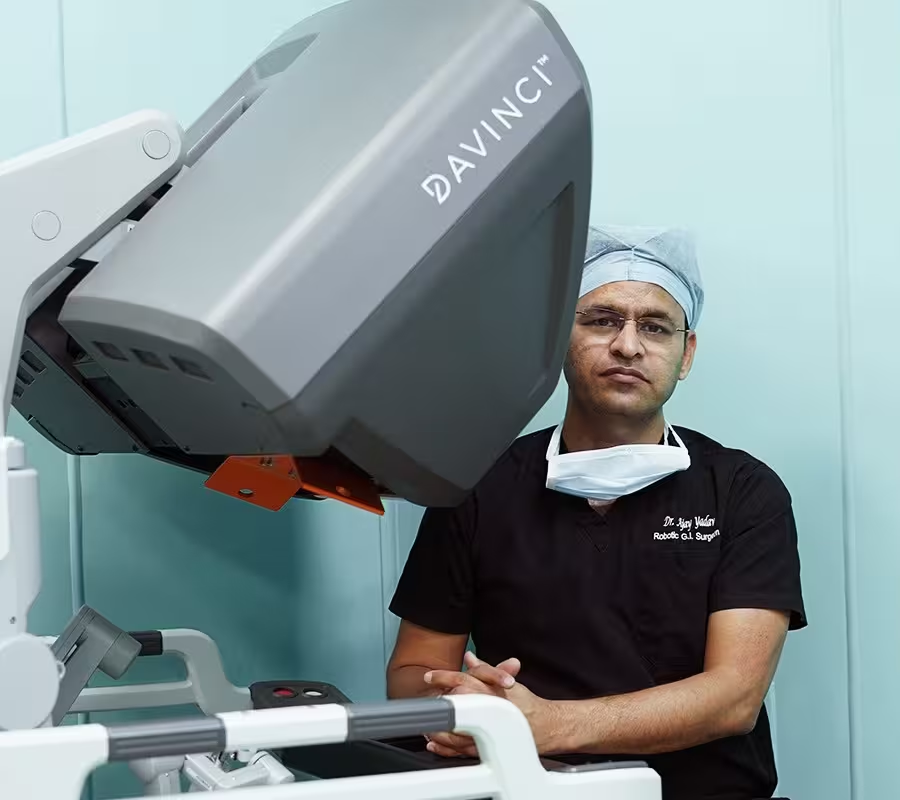
Why Choose Dr. Ajay Yadav for Laparoscopic Surgery in Lucknow?
Choosing a laparoscopic surgeon involves more than looking for minimally invasive surgery. Experience, specialist training and appropriate patient selection are important when planning gastrointestinal and abdominal procedures.
Potential Benefits of Laparoscopic Surgery
For appropriately selected patients, laparoscopic surgery may provide:
How Is Laparoscopic Surgery Planned?
A structured approach ensures patient safety and optimal surgical outcomes.
Consultation
Understanding symptoms, diagnosis and previous medical history.
Investigations
Reviewing relevant blood tests, ultrasound, CT, MRI, endoscopy or other reports where required.
Surgical Assessment
Determining whether surgery is required and whether a laparoscopic approach is suitable.
Procedure Planning
Discussing the expected procedure, surgical approach, potential risks and recovery.
Postoperative Care
Providing appropriate guidance regarding recovery, diet, activity and follow-up.
Laparoscopic or Robotic Surgery — Which Is Right for You?
Both laparoscopic and robotic surgery are minimally invasive surgical approaches, but they use different technologies and surgical systems.
The choice depends on the type of procedure, complexity of the condition, patient's anatomy, previous surgeries and surgeon's assessment.
Robotic surgery is not automatically better than laparoscopic surgery for every patient. The most appropriate technique is selected according to the individual clinical situation.
What to Expect During Your Laparoscopic Surgery Consultation
During consultation, Dr. Ajay Yadav reviews the patient's condition and available medical reports before recommending a surgical approach.
Patients can discuss:
Recovery After Laparoscopic Surgery
Recovery depends on the type and complexity of the procedure, the patient's overall health and whether any complications occur.
Patients are generally guided regarding pain management, diet, mobility, wound care, activity restrictions and follow-up after surgery. The recovery timeline can vary significantly between procedures, so patients should follow their surgeon's individualized postoperative instructions.
Frequently Asked Questions
01 What is laparoscopic surgery?
02 What conditions can be treated with laparoscopic surgery?
03 Is laparoscopic surgery better than open surgery?
04 Is laparoscopic surgery painful?
05 How long does it take to recover from laparoscopic surgery?
06 Is robotic surgery the same as laparoscopic surgery?
07 Who is a good candidate for laparoscopic surgery?
Explore Your Laparoscopic Surgery Options in Lucknow
If you have been advised to undergo abdominal or gastrointestinal surgery, a specialist consultation can help you understand whether a laparoscopic, robotic-assisted or open approach may be appropriate for your condition.