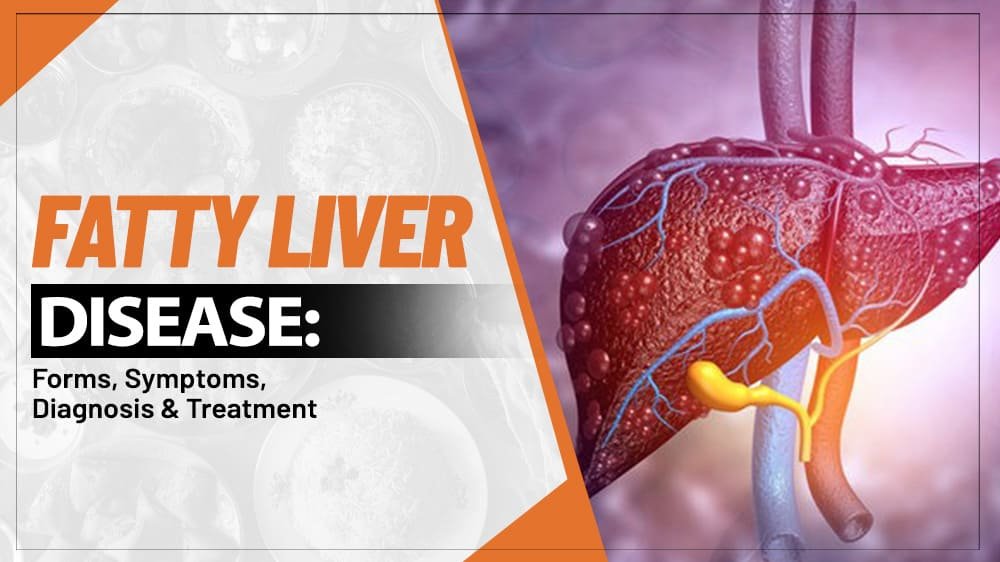
Fatty liver disease has become quite common today, yet many people don’t realize they have it because early stages often show no clear symptoms. Understanding fatty liver symptoms, its causes, and available treatments can help you take timely steps and prevent the condition from becoming more serious.
What Is Fatty Liver Disease?
Fatty liver disease is a condition that occurs when excess fat builds up inside the liver. A healthy liver has low or no fat. If fat makes up greater than 5% of the liver, it's termed "fatty liver.
The liver plays a crucial part in your body. It helps in:
- Digesting food
- Eliminating the toxins
- Controlling blood sugar
- Management of cholesterol
If fat builds up in liver cells, it can affect the efficiency of the liver.
Forms of Fatty Liver Disease
There two main types are:
1. Metabolically Associated Fatty Liver Disease (MAFLD)
It is the most popular kind. It was previously known as"non-alcoholic fatty liver syndrome" (NAFLD).
It is mainly linked to:
- Obesity
- Type 2 diabetes
- High cholesterol
- High triglycerides
- Insulin resistance
Even people who do not drink alcohol can develop this type.
2. Alcohol-Related Fatty Liver Disease
This type is caused by drinking too much alcohol over time. Alcohol damages liver cells and leads to fat buildup.
If alcohol use continues, it can progress to:
- Liver inflammation
- Liver scarring (fibrosis)
- Cirrhosis
- Liver failure
Fatty Liver Symptoms
In many cases, there are no early Fatty liver symptoms. That is why it is often found during routine blood tests or ultrasound scans.
However, some people may experience:
- Always tired
- The discomfort or pain in the upper right-hand side of the abdomen
- Mild weight loss
- General weakness
Signs of Advanced Disease
If the condition becomes serious, symptoms may include:
- Yellowing of eyes and skin that is jaundice
- Swollen stomach
- Dark urine
- Easy bruising
- Vomiting blood
- Black stools
- Itchy skin
If you notice these symptoms, you should see a doctor immediately.
What Causes Fatty Liver Disease?
Fatty liver disease usually develops slowly over time. It happens when too much fat builds up inside the liver due to long-term health conditions and lifestyle habits.
Common Causes
- Being overweight or obese:
The extra body fat that is stored, especially in the abdominal region, can lead to the liver storing fat. - The blood sugar levels are elevated :
The condition known as diabetes, also known as insulin resistance, causes an excess of sugar in the blood. It can then become fat and build up in the liver. - High cholesterol:
The presence of excessive fat in the blood, for instance, high triglycerides, may increase the chances of accumulation of fat in liver cells. - Inactivity and a lack of physical fitness:
An unhealthy lifestyle may hinder the body's capacity to burn fat and allow fat to accumulate in the liver. - Too much alcohol consumption:
Consumption of alcohol that is too much over time leads to the liver to suffer damage. This results in an accumulation of fat.
Other Possible Causes
- Thyroid problems
A thyroid disorder that is not functioning properly results in a decrease in metabolic rate, which results in greater fat storage in the body. - Certain medicines
The liver requires specific medications to process dietary fats according to their effect on its function. - Polycystic ovary syndrome (PCOS)
The hormonal imbalance, together with insulin resistance in PCOS, increases the risk of developing diabetes. - Pregnancy (rare cases)
A rare but serious condition called acute fatty liver of pregnancy can develop in late pregnancy.
The condition can develop without symptoms for a long time, so most people should undergo regular health checks.
How Is Fatty Liver Diagnosed?
Fatty liver disease usually presents itself as part of general health checkups.
Doctors may suggest:
1. Blood Tests
Liver function tests are used to check for increased enzymes.
2. Ultrasound
Even an ultrasound scan can reveal fat deposits in the liver.
3. CT Scan or MRI
These tests provide more detailed information.
4. Liver Biopsy
In some cases, a small tissue sample is taken to see how much fat and damage are present.
Fatty Liver Treatment
The primary treatment for fatty liver disease requires patients to make adjustments to their daily habits. The condition can be completely reversed during its initial development stage.
- The medical procedure consists of the following components:
- Weight reduction (5–10% body weight loss helps reduce liver fat)
- A healthy diet with less sugar, fried food, and processed items
- The routine of exercise requires individuals to exercise for a minimum of 30 minutes each day.
- The person should stop drinking alcohol
- The medical treatment includes the management of cholesterol levels, diabetes, and blood pressure
Fatty liver disease has no available medical treatment to achieve complete healing. The medical approach centers on improving metabolic health while preventing further hepatic impairment.
When Should You See a Doctor?
You should consult a doctor if you experience constant tiredness, abdominal discomfort, abnormal liver test results, or if you have diabetes or obesity. Early medical advice can help prevent long-term liver damage and complications.
If you are looking for expert care and proper guidance for liver health, you can consult Dr. Ajay Yadav, one of the best gastrosurgeons in Lucknow, for accurate diagnosis and personalised treatment.
Final Thoughts
Fatty liver disease often shows no clear symptoms in the early stages and is usually detected during routine health checkups. That’s why early diagnosis is very important, as it helps prevent serious liver damage and allows treatment to begin on time.
If you are looking for expert advice and proper treatment for fatty liver disease, you can consult Dr. Ajay Yadav, who has over 22 years of experience and is known for providing reliable guidance and effective care. Timely medical support can greatly improve your liver health and overall well-being.