Losing weight can be a challenging journey, especially when consistent efforts through healthy eating and regular exercise fail to produce the desired results. For individuals struggling with severe obesity, this can lead to frustration and serious health concerns. In such situations, gastric bypass surgery offers a safe and effective solution, helping patients achieve significant and long term weight loss while improving their overall quality of life.
In this blog, we will cover everything you need to know about gastric bypass surgery from how the procedure is performed and its key benefits to potential risks, recovery time, and essential post-surgery care. This comprehensive guide will help you make an informed and confident decision about your health.
What is Gastric Bypass Surgery?
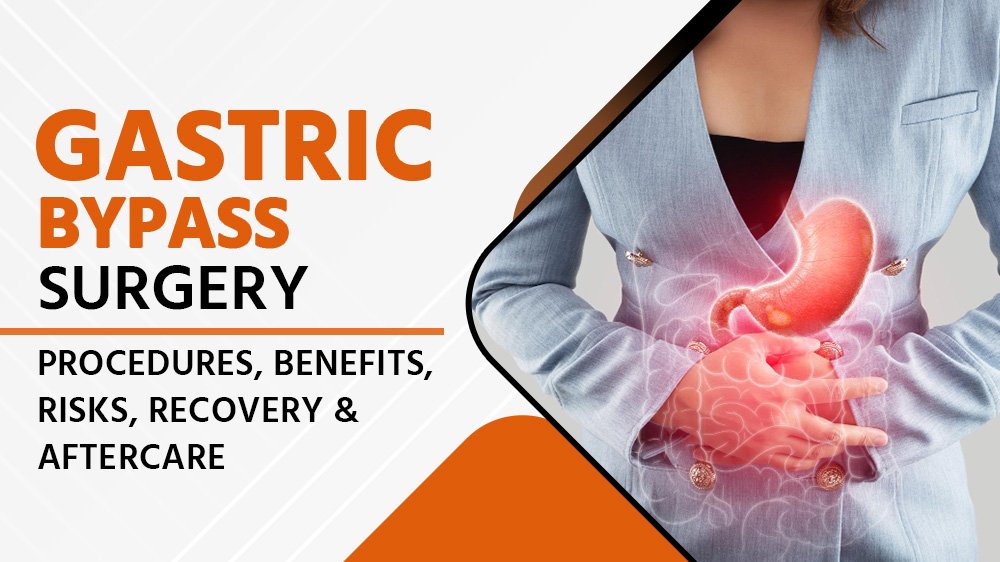
A gastric bypass operation functions as a bariatric surgery method that helps patients achieve weight reduction through its impacts on their stomach and the intestinal food digestion process.
In this operation, the surgeon makes an incision in the stomach. He then joins the pouch directly with the intestinal tract. This is because:
- You consume less food.
- The quantity of calories absorbed decreases.
It is simpler to shed weight.
How Does Gastric Bypass Surgery Work?
Here is how the surgical procedure works:
First, the operation limits the capacity of the stomach. The stomach becomes significantly smaller, and thus people feel satiated from eating even a little bit of food.
Secondly, the digestion process is changed by this surgery. Food passes right to the small intestine without passing through the upper part of the stomach and the large intestine.
This ensures that the patient loses weight gradually in a healthy way.
Procedure of Gastric Bypass Surgery
Bypass surgery normally involves the use of laparoscopic surgery, which means that:
- Small cuts are used as opposed to making large incisions.
- It takes less time to recover from the operation.
- Less pain is felt.
It normally takes about 2 to 3 hours for the whole procedure. This includes:
- Making a small stomach pouch.
- Joining the small intestines to the small stomach pouch.
- Bypassing the rest of the stomach.
The patient is required to stay in the hospital for two or three days following the operation.
Benefits of Gastric Bypass Surgery
There are several other health benefits associated with gastric bypass surgery.
The foremost benefit is substantial weight loss that lasts for a long time. Most individuals lose 60–80% of their extra weight within 12 to 18 months.
Moreover, gastric bypass surgery can help in managing or curing a list of ailments connected with obesity, namely:
1. Type 2 diabetes
2. Hypertension
3. Hypercholesterolemia
4. Sleep apnea
5. Arthritis
As a result, others might feel much more spirited and assured.
Risks and Side Effects of Gastric Bypass Surgery
As with all surgeries that involve risk of complications, this one is also a part of the gastric bypass procedure. However, the possibility of complications is quite rare when a procedure is carried out by a skilled surgeon.
Possible complications may be:
1. Infection or bleeding
2. Nutrient deficiencies such as iron, calcium, or B12
3. Dumping syndrome (feeling nauseous or dizzy upon consuming sweets)
4. Blockage of the bowels or ulceration
The majority of long-term problems result from malnutrition or a lack of compliance with medical advice.
Recovery After Gastric Bypass Surgery
The healing process is long, so patience is essential to get through this process.
In the initial week following the treatment, it is possible to only drink liquid diets. Gradually, one can change to soft foods and then, in the following weeks, to healthy meals over several weeks.
A majority of individuals can get back to their normal activities within a period ranging from 2 to 4 weeks.
The doctor may advise on the following:
- Walking in the first week
- Avoid lifting heavy weights for some weeks
- Follow-up appointments
Weight loss begins immediately following the surgery and continues for several months.
Lifestyle Changes After Surgery
Bariatric surgery cannot be an alternative to other measures. It's more effective when it is accompanied by positive lifestyle modifications.
You must:
- Do exercise
- Make sure you are eating a balanced diet
- Beware of food items that are unhealthy products
- Take the recommended supplements
- Go for follow-up appointments
These habits help sustain weight.
Who is a Good Candidate for Gastric Bypass Surgery?
Surgery is generally considered in the following cases:
- Individuals whose BMI is greater than 40.
- Individuals who have a BMI greater than 35 and are suffering from other diseases, such as diabetes and hypertension.
- Individuals who have unsuccessfully followed a healthy regimen.
Medical consultation is an absolute necessity before opting for surgery.
Conclusion
Gastric bypass surgery can be an effective solution for individuals struggling with severe obesity, especially when diet and exercise fail to deliver the desired results. It not only supports significant weight loss but also helps improve overall health and manage obesity related conditions such as diabetes and high blood pressure.
However, long term success depends on adopting a healthy lifestyle and carefully following the doctor’s advice after surgery. If you are considering this procedure, consulting a qualified specialist is essential. Dr. Ajay Yadav, one of the best gastrosurgeons in Lucknow, provides expert guidance and personalized treatment to help patients achieve safe, sustainable, and effective results.
To book an appointment with Dr. Ajay Yadav, you can call at +91 8957575053 or WhatsApp at +91 8957575053. For any queries or guidance, feel free to reach out and get the right advice for your treatment.