Obesity has become an issue of health that impacts a large number of people at present. Bariatric surgery is an alternative to treatment that can transform lives when patients do not achieve their goals through exercise, diet, and other medications. This procedure, also called the weight-loss surgery, allows people to lose excess weight while also achieving healthier results.
The blog will present an explanation of bariatric surgery through simple language, which describes its different types and benefits, risks, and recovery process, and aftercare.
What is Bariatric Surgery?
Bariatric surgery refers to an intervention designed to aid the reduction of weight through modifications to one’s digestive system, either through reducing the size of the stomach or through altering the way food is absorbed by the body.
The following are some cases in which patients will be advised to undergo bariatric surgery:
1. People whose Body Mass Index (BMI) exceeds 40
2. Patients with a BMI over 35 who also suffer from illnesses such as diabetes and high
blood pressure
3. Patients who have used other forms of weight-loss interventions but failed
Types of Bariatric Surgery (Weight Loss Surgery Procedures)
There are various bariatric surgical operations. The physician recommends the most appropriate procedure depending on your medical condition.
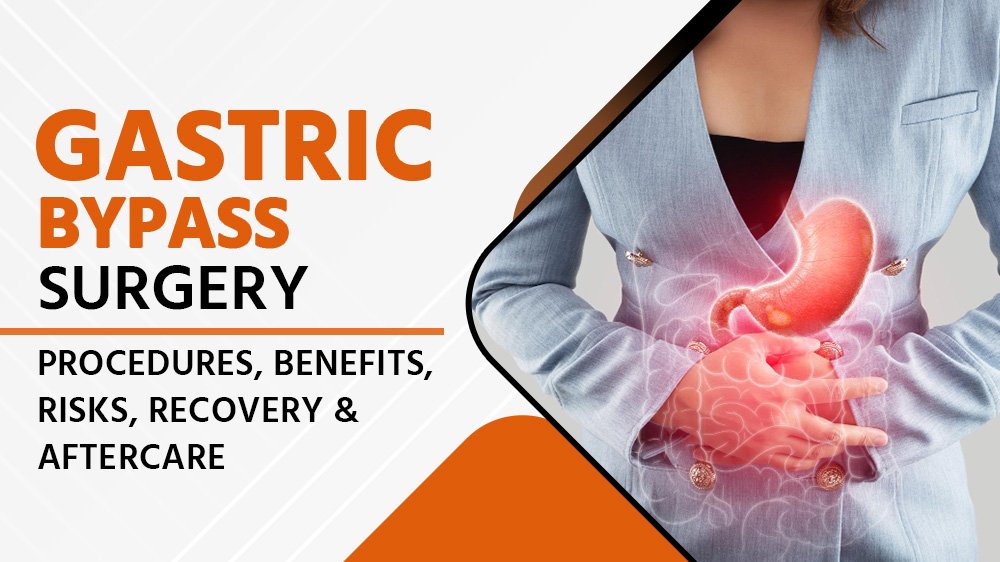
1. Roux-en-Y Gastric Bypass
One of the most popular ways of weight reduction is surgery.
- Shrinking the stomach
- Food can bypass certain areas of the small intestinal tract.
- Aids in reducing the intake of food and absorption of calories
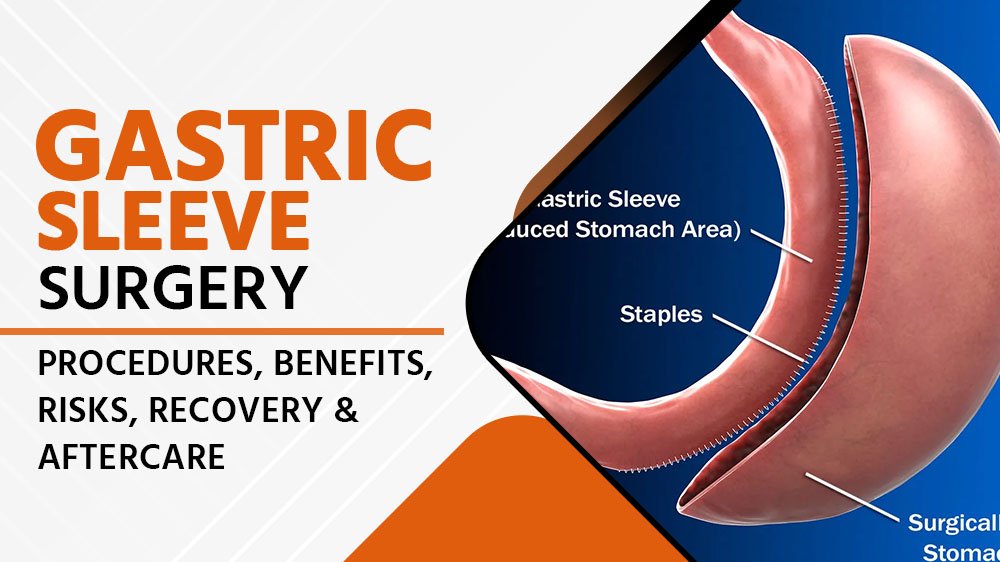
2. Sleeve Gastrectomy
- Removing a significant portion of the stomach
- The stomach takes a tubular form
- Feel full quickly
It is one of the most commonly practiced weight loss surgeries owing to its efficacy and ease.
3. Adjustable Gastric Band
- Implantation of the gastric band above the stomach
- Formation of a small pouch
- Restricts food intake
It is rarely used nowadays.
4. Biliopancreatic Diversion with Duodenal Switch
- One of the complex bariatric surgery procedures
- Minimizes the volume of the stomach and reduces nutrient absorption
- Typically recommended for morbid obesity
Benefits of Bariatric Surgery
There are numerous advantages associated with bariatric surgery.
1. Weight Loss
Weight loss surgery enables patients to shed 50%-70% of their extra weight.
2. Treats Various Diseases
This treatment procedure helps treat:
- Type 2 diabetes
- Hypertension
- Sleep apnea
- Joint pains
3. Enhances the Quality of Life
- Enhanced energy levels
- Enhanced mobility
- Enhanced mental well-being
- Extended Life Span
Research indicates that bariatric surgery increases longevity.
Risks and Complications
Surgery is always risky, and the same is true for bariatric surgery.
Risks during Surgery
- Infection
- Bleeding
- Formation of blood clots
- Anesthetic reaction
Post-Surgery Risks
- Nutrition deficiency
- Dumping syndrome (symptoms that develop after consuming sweet food)
Recovery After Bariatric Surgery
Recovery after bariatric surgery will differ according to the kind of surgical operation that has been done and your personal health status. However, a common recovery process involves the following:
1. Stay in the hospital
Most patients stay at the hospital for 2-3 days after the operation. This allows the doctors to examine your health status to make sure you are not suffering from any complications.
2. First Few Weeks
Your diet will progressively change during this time as follows:
- From liquid foods
- To semi-soft foods
- Then slowly back to solid foods
Some pain will be expected and can easily be managed as time goes by and through prescribed medication.
3. Going Back to Work
Depending on the kind of surgery performed and the type of work done, a person can go back to work in 2-4 weeks after bariatric surgery.
4. Full Recovery
A full recovery after a bariatric surgery normally occurs after 4-6 weeks.
It is very important to follow the doctor's instructions, eat properly, and keep regular appointments to recover well after bariatric surgery.
Diet After Bariatric Surgery
The most vital element for surgical recovery and subsequent success depends on dietary choices, which doctors need to assess in their patients. Your body requires an entire recovery period before you should begin your gradual diet introduction.
Stage 1: Liquid Diet
During the first few days, you are recommended to be on a liquid diet. You may consume:
- Water
- Soup
- Protein shakes
It is necessary because your stomach should have some time to recover without any additional strain from the digestive system.
Stage 2: Soft Food Diet
A couple of days or even weeks later, you can begin consuming soft foods, such as:
- Pureed vegetables
- Yogurt
- Soft fruits
Stage 3: Solid Foods
In the end, you will be able to switch to solid food. At this point, be sure to focus on:
- Small portions
- Healthy and balanced meals
Don't eat excessively since your stomach is small because of the bariatric surgery you had.
Lifestyle Changes After Bariatric Surgery
To maximize the success of the event for weight reduction surgery, certain lifestyle modifications must be implemented:
1. Exercise regularly.
2. Develop healthy eating habits.
3. Do not eat unhealthy food.
4. Take vitamins to boost your health.
5. See your doctor regularly.
Be aware that bariatric surgery does not constitute an alternative, but a means towards a goal.
Aftercare
- The patient needs to have regular health check-ups.
- The patient needs to have their nutritional status monitored.
Weight loss success requires patients to maintain discipline and consistent behavior after their surgical procedure.
Conclusion
Bariatric surgery can be a helpful option for people dealing with severe obesity, especially when diet and exercise are not giving results. It not only supports weight loss but also helps improve overall health and related medical conditions.
At the same time, it’s important to understand that long-term results depend on maintaining a healthy lifestyle and following the doctor’s advice after surgery. If you are planning to go for this treatment, it’s always better to consult a qualified specialist. Dr. Ajay Yadav, one of the best gastrosurgeons in Lucknow, provides the right guidance and treatment to help patients achieve safe and effective results.
To book an appointment with Dr. Ajay Yadav, you can call at +91 8957575053 or WhatsApp at +91 8957575053. For any queries or guidance, feel free to reach out and get the right advice for your treatment.