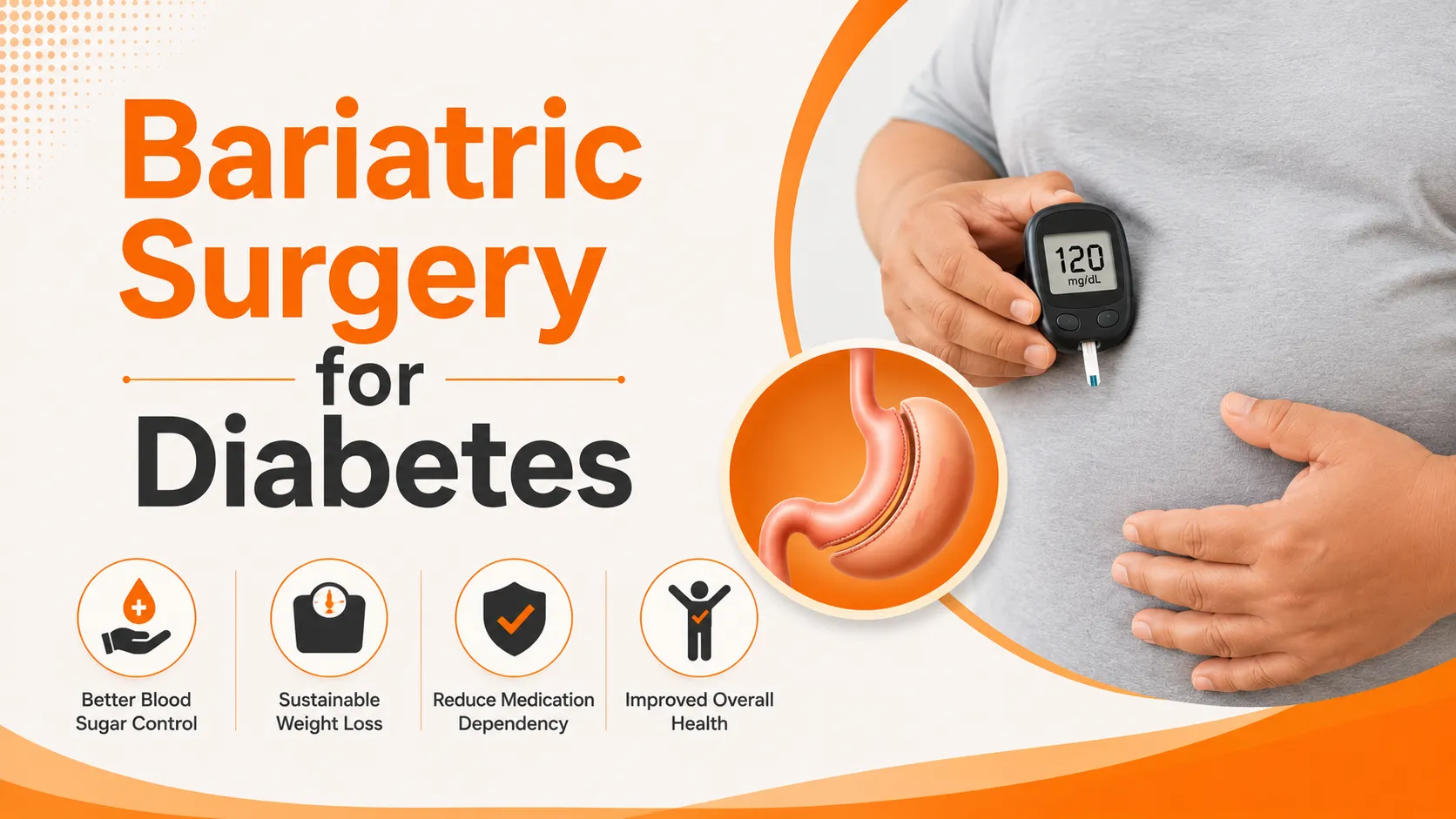
Bariatric surgery for diabetes has become an important treatment option for some people living with obesity and type 2 diabetes. While the primary goal of bariatric surgery is to support long-term weight loss, studies have shown that it may also help improve blood sugar control, reduce insulin resistance, and, in some cases, lead to diabetes remission. Because of these benefits, bariatric surgery is often referred to as metabolic surgery for eligible patients with type 2 diabetes.
However, bariatric surgery is not suitable for everyone. Eligibility depends on several factors, including Body Mass Index (BMI), overall health, and how well diabetes is controlled with medications and lifestyle changes. In this guide, we'll explain how bariatric surgery for diabetes works, who may be eligible, its benefits, available procedures, recovery, and what you can expect before making a treatment decision.
What Is the Link Between Obesity and Type 2 Diabetes?
Type 2 diabetes and obesity are closely connected. Excess body fat, particularly around the abdomen, can make it harder for the body to use insulin effectively. This condition, known as insulin resistance, causes blood sugar levels to rise over time.
When blood sugar remains uncontrolled for a long period, it may increase the risk of complications affecting the:
- Heart
- Kidneys
- Eyes
- Nerves
- Blood vessels
Losing excess weight often helps improve insulin sensitivity, making it easier for the body to regulate blood sugar levels.
Can Bariatric Surgery Help with Diabetes?
Yes. Bariatric surgery for diabetes may help improve blood sugar control in people living with obesity and type 2 diabetes.
Unlike weight loss through diet alone, bariatric surgery also triggers hormonal changes in the digestive system that can improve the body's response to insulin. Some patients notice improvements in their blood sugar levels within days or weeks after surgery, even before significant weight loss occurs.
For some individuals, bariatric surgery may reduce the need for diabetes medications. Others may experience diabetes remission, where blood sugar levels remain within a healthy range for an extended period without medication. However, not everyone experiences the same results, and ongoing medical follow-up remains essential.
Who May Be Eligible for Bariatric Surgery for Diabetes?
Your doctor may recommend bariatric surgery if you:
- Have a BMI of 40 or higher
- Have a BMI of 35 or higher with type 2 diabetes or other obesity-related health conditions
- Have difficulty controlling blood sugar despite medications and lifestyle changes
- Are medically fit to undergo surgery
- Are committed to long-term dietary and lifestyle changes
Every patient undergoes a detailed evaluation before surgery to determine whether it is the most suitable treatment option.
How Does Bariatric Surgery Help Control Diabetes?
Many people think bariatric surgery works only by helping patients lose weight. While weight loss plays an important role, the procedure also affects hormones involved in appetite, digestion, and blood sugar regulation.
Potential benefits include:
- Improved insulin sensitivity
- Better blood sugar control
- Reduced insulin resistance
- Lower HbA1c levels in many patients
- Reduced dependence on diabetes medications for some individuals
- Better overall metabolic health
The extent of improvement varies from person to person and depends on several individual factors.
Types of Bariatric Surgery for Diabetes
Several bariatric procedures may be recommended based on your health condition and treatment goals.
Sleeve Gastrectomy
Sleeve Gastrectomy involves reducing the size of the stomach, allowing patients to feel full after eating smaller portions. It also influences hormones that regulate hunger and blood sugar.
Gastric Bypass Surgery
Gastric Bypass reduces stomach size and changes the digestive pathway. This procedure may improve blood sugar regulation and is commonly recommended for eligible patients with obesity and type 2 diabetes.
Mini Gastric Bypass
Mini Gastric Bypass is a simplified variation of gastric bypass and may be suitable for selected patients depending on their medical condition.The most appropriate procedure is determined after a thorough consultation with a bariatric surgeon.
Can Bariatric Surgery Be Performed Using Laparoscopic or Robotic Techniques?
Most bariatric procedures for diabetes, including Sleeve Gastrectomy, Gastric Bypass Surgery, and Mini Gastric Bypass, can be performed using laparoscopic (minimally invasive) or robotic-assisted surgical techniques, depending on the patient's medical condition and the surgeon's recommendation.
Both laparoscopic and robotic bariatric surgery use small incisions instead of a large surgical cut. These minimally invasive techniques may help reduce post-operative pain, minimize scarring, lower the risk of complications, shorten the hospital stay, and support a faster recovery for many patients.
The choice between laparoscopic bariatric surgery and robotic bariatric surgery depends on several factors, including your BMI, overall health, diabetes control, previous abdominal surgeries, and the complexity of the procedure. During your consultation, your surgeon will recommend the most suitable surgical approach based on your individual treatment needs.
Benefits of Bariatric Surgery for Diabetes
For eligible individuals, bariatric surgery may provide several health benefits beyond weight loss.
These may include:
- Better blood sugar control
- Significant and sustained weight loss
- Improved insulin sensitivity
- Reduced risk of obesity-related complications
- Improvement in high blood pressure
- Better sleep apnea symptoms
- Relief from joint pain caused by excess weight
- Improved mobility and physical activity
- Better quality of life
The long-term success of bariatric surgery depends on healthy eating habits, regular exercise, and consistent follow-up care.
Preparing for Bariatric Surgery
Before bariatric surgery, your surgeon will perform a detailed evaluation to determine whether the procedure is suitable for you. This helps ensure the safest approach while identifying any underlying medical conditions that may need attention before surgery.
Your pre-surgical assessment may include:
- Blood tests
- ECG and other heart evaluations (if required)
- Nutritional assessment
- Diabetes evaluation
- Medical examination
- Dietary counseling
- Psychological assessment (in selected cases)
You may also be advised to follow a special diet, stop smoking if applicable, and make certain lifestyle changes before the procedure. Following these recommendations can support a smoother surgery and recovery.
Recovery After Bariatric Surgery
Recovery varies depending on the type of bariatric procedure performed, your overall health, and how well you follow your post-operative care instructions.
Most patients are encouraged to start walking soon after surgery to support healing and reduce the risk of complications.
Your surgeon will provide personalized guidance regarding diet progression, physical activity, and follow-up visits throughout your recovery.
Diet After Bariatric Surgery for Diabetes
Healthy eating plays a major role in achieving long-term success after bariatric surgery. Your diet will gradually progress through different stages as your body heals.
Most patients begin with:
- Clear liquids
- Full liquids
- Soft foods
- Regular healthy meals
To support recovery and blood sugar management, your healthcare team may recommend:
- Eating small, frequent meals
- Choosing protein-rich foods
- Staying well hydrated
- Avoiding sugary drinks and processed foods
- Taking prescribed vitamin and mineral supplements
Following the recommended dietary plan can help maximize the benefits of bariatric surgery while supporting long-term weight management.
Is Bariatric Surgery Safe for People with Diabetes?
Like any surgical procedure, bariatric surgery carries certain risks. However, it is generally considered safe when performed by an experienced surgeon after a thorough medical evaluation.
Your healthcare team will assess your diabetes, heart health, nutritional status, and overall medical condition before recommending surgery.
Choosing an experienced surgical team and following all pre- and post-operative instructions can help reduce potential risks and improve outcomes.
When Should You Consult a Specialist?
You should consider consulting a specialist if:
- You have obesity along with type 2 diabetes.
- Your blood sugar remains difficult to control despite medication.
- Your BMI is 35 or above with obesity-related health conditions.
- Your BMI is 40 or higher.
- Lifestyle changes have not resulted in long-term weight loss.
- Diabetes is affecting your daily life or overall health.
A detailed consultation can help determine whether bariatric surgery is an appropriate treatment option for your individual needs.
Conclusion
For people living with obesity and type 2 diabetes, bariatric surgery may offer benefits beyond weight loss. It may help improve blood sugar control, support better metabolic health, and reduce the risk of obesity-related complications when combined with healthy lifestyle changes.
If you are considering bariatric surgery for diabetes, consult Dr. Ajay Yadav, Best Gastro Surgeon in Lucknow, for a comprehensive evaluation and a personalized treatment plan based on your health goals.
Frequently Asked Questions
Can bariatric surgery help control type 2 diabetes?
Yes. Bariatric surgery may help improve blood sugar control and insulin sensitivity in many people with obesity and type 2 diabetes. Some individuals may also experience diabetes remission, although results vary.
Who is eligible for bariatric surgery for diabetes?
Bariatric surgery may be recommended for individuals with a BMI of 40 or higher, or 35 or higher with type 2 diabetes or other obesity-related health conditions. Eligibility is determined after a detailed medical evaluation.
Which bariatric surgery is best for diabetes?
The most suitable procedure depends on your BMI, medical history, and overall health. Common options include Sleeve Gastrectomy, Gastric Bypass Surgery, and Mini Gastric Bypass. Your surgeon will recommend the best option for your condition.
Will I still need diabetes medication after bariatric surgery?
Some patients may reduce or stop certain diabetes medications under medical supervision after surgery, while others may continue treatment. This depends on individual health factors and how the body responds to the procedure.
How long does it take to recover after bariatric surgery?
Most patients return to light daily activities within 1–2 weeks, while complete recovery generally takes 4–6 weeks, depending on the procedure performed and individual healing.
Related Blogs
- Bariatric Surgery Cost in India
- Bariatric Surgery for High BMI
- Grade 2 Fatty Liver: Symptoms, Causes & Treatment
Related Services