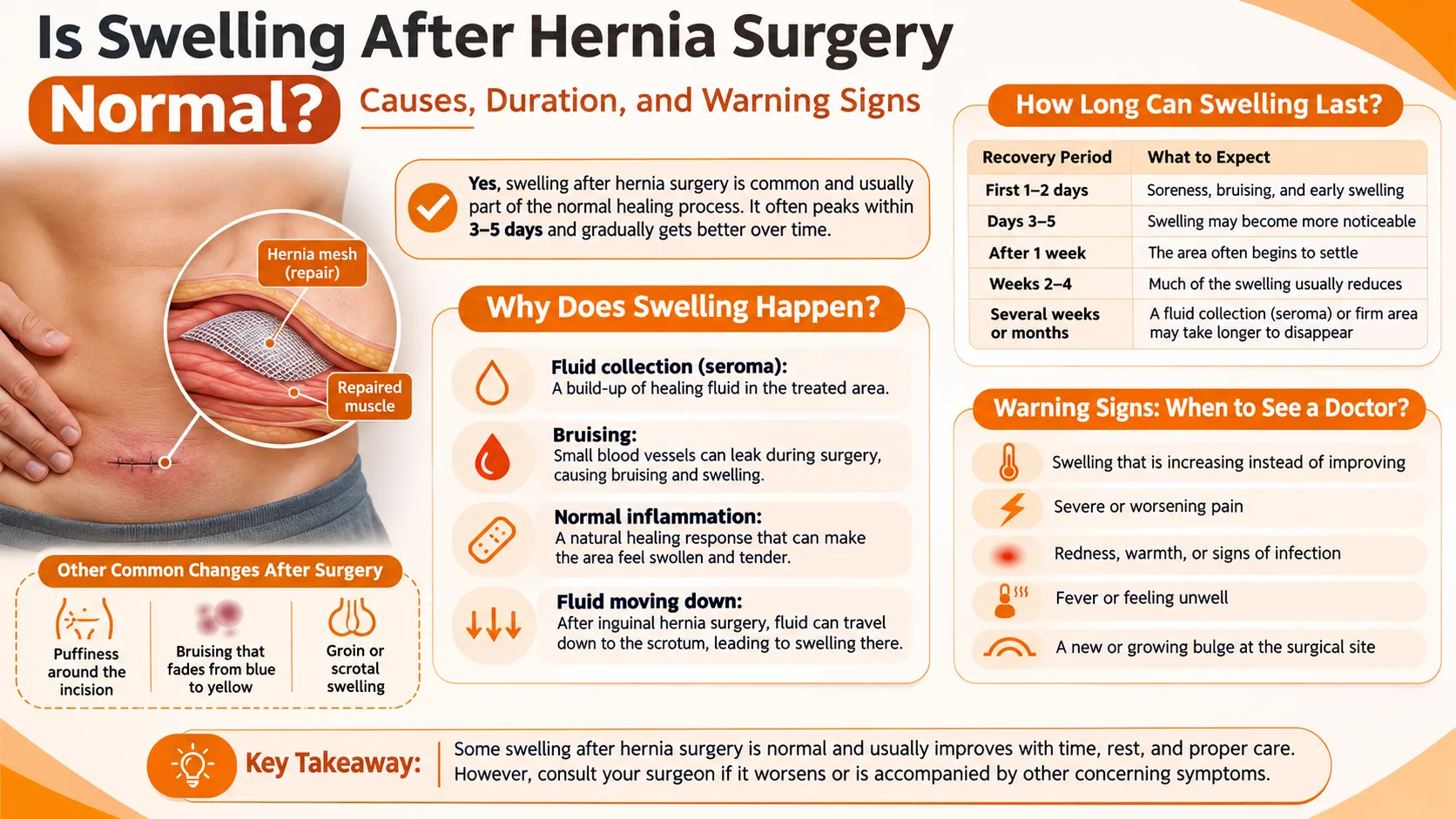
Yes, swelling after hernia surgery is very common and usually a normal part of the body's healing process. You may notice a lump or puffiness around the surgical area, groin, or even the scrotum after inguinal hernia repair. This happens because fluid can collect around the repaired tissues and bruising may develop during recovery. Swelling is often more noticeable during the first 3–5 days and gradually improves over time. However, increasing swelling, severe pain, or fever should be evaluated by your surgeon.
Why Does Swelling Happen After Hernia Surgery?
Hernia repair surgery involves putting the tissue back into place within the abdomen and closing up any weaknesses in the muscle or fascia of the abdomen through stitches and mesh, depending on the specific kind of hernia. It is necessary for the tissue to settle after this procedure.
Several changes can cause swelling:
1. Fluid collection (seroma)
The body provides fluid, nutrition, and white blood cells to the region of surgery for the process of healing. In some cases, fluid accumulates in the region of the hernia, and this accumulation is known as a seroma.
A seroma can be in the form of a soft fluid sac or a hard lump in the skin. The appearance of a seroma is similar to the appearance of a hernia, which is why there is confusion among patients about the failure of the surgery.
2. Bruising and blood collection
The small blood vessels can leak blood in the course of an operation. This results in bruising around the surgical cut, groin, or scrotum. There is a purplish, bluish, or dark coloration on the skin initially, which will then gradually change to greenish or yellowish and eventually disappear.
3. Normal inflammation
Inflammation in the area surrounding the repair takes place as part of the healing process. This inflammation may result in tenderness, tightening of the skin, and swelling of the area surrounding the wound. Some individuals will feel a hard ridge under the skin. This may indicate healing rather than a repair problem.
4. Fluid moving down towards the scrotum
Inguinal Hernia surgery causes fluid and bruising to flow down due to gravity. This is the reason behind the patient having minimal swelling at the incision site and maximum swelling in the scrotum or testicles.
The degree of swelling varies depending on the patient. Factors like the size of the hernia, the method used during the surgery, and the general state of the body play a role in the healing process.
What Is Considered Normal After Hernia Surgery?
A little swelling does not usually mean that something has gone wrong. During the first few weeks, patients may notice:
- Puffiness around the incision or repaired groin.
- A firm line or ridge beneath the surgical cut.
- A small lump caused by fluid collection.
- Bruising that changes from purple or blue to yellow as it fades.
- Mild soreness while walking, coughing or changing position.
- A feeling of heaviness in the groin or scrotum after inguinal hernia repair.
The direction of change is important. Persistent swelling that remains constant for a brief period of time before gradually decreasing tends to be less worrisome than daily increasing swelling and pain.
Walking is frequently recommended following surgical procedures. Walking helps ensure adequate blood flow and decreases the risks involved with lying in bed for extended periods of time. Lifting, exercise, and abdominal pressure should be avoided until clearance is granted by the surgeon.
How Long Does Swelling Last After Hernia Surgery?
There is no exact day when all swelling disappears. Some patients recover quickly, while others have a small lump or firm area for several weeks.
How Long Does Swelling Last After Inguinal Hernia Surgery?
Post-operative swelling in the groin can persist despite the appearance of a small incision that is healing well on the skin surface. Other patients develop swelling in the scrotal region.
A little swelling normally gets better within the initial few weeks. In case of large swelling, it may take several weeks or even months to resolve. In case of a complex or large repair procedure, there can be persistent firmness in the operated area.
If the swelling is increasing, accompanied by increased pain or redness and heating up of the area, it is important to contact the operating surgeon.
Scrotal Swelling After Hernia Surgery
Scrotal swelling in cases where a person has undergone inguinal hernia repair is very common, especially in men. The swelling is seen to be on one side of the scrotum, causing it to become bigger than the other. Other signs of swelling include bruising, tenderness, and the feeling of dragging.
There is a connection between the groin and the scrotum. Blood and fluid can flow down due to gravity from the operated region into the scrotum. Therefore, there will be swelling of the scrotum despite the cut being higher in the groin region.
Why Are the Testicles Swollen After Hernia Surgery?
Swollen testicles after hernia surgery may be related to:
- Fluid moving down from the groin: This can collect in the scrotal tissues and cause temporary enlargement.
- Bruising: Blood from small vessels may spread into the surrounding area, changing the skin colour.
- Inflammation: The tissues around the testicle may become tender or swollen after the operation.
- Hydrocele: Fluid may collect around the testicle, causing one side of the scrotum to look enlarged.
Mild testicle swelling after hernia surgery often improves as the body absorbs the collected fluid. Supportive underwear can make walking more comfortable. A cold pack wrapped in a cloth may help with discomfort if the surgeon has advised it. Ice should never be placed directly on the skin.
Sudden or severe testicular pain, rapidly increasing swelling or marked tenderness needs urgent medical assessment. These symptoms should not be treated as ordinary postoperative bruising.
Swelling After Open, Laparoscopic and Robotic Hernia Surgery
The site and nature of the swelling may vary according to the type of operation. Yet, there is no technique that would exclude fluid accumulation and bruising.
- Open hernia repair: the doctor makes an incision around the hernia. As the tissues are exposed through a larger incision, swelling and bruising may occur around the groin and the surgical site.
- Laparoscopic hernia repair: the doctor operates through several abdominal incisions. Even though the surgical procedure is performed through smaller openings, the patient might still find a lump around the original spot due to fluid accumulation in the area.
- Robotic hernia repair: the doctor controls instruments from a robotic console. Even the smaller size of incisions would not exclude internal swelling, and a seroma or bruising may occur around the area where the hernia was repaired.
Sometimes patients might see more pronounced swelling after the removal of a large hernia due to the fact that there will be more tissue to heal. The presence of mesh should not mean that the lump is a mesh complication.
When Is Swelling After Hernia Surgery a Warning Sign?
Most swelling after hernia repair settles without further treatment. Certain changes need a closer look, particularly when they appear suddenly or keep getting worse.
Contact the surgeon if there is:
- Pain that gets worse: Pain that doesn’t go away but rather gets worse, particularly after the first few days.
- Skin that is red and warm: The skin surrounding the cut gets redder and warm or tender.
- Drainage from the site: Drainage in the form of pus, bad smell, or drainage from the cut.
- Chills or fever: Signs of infection.
- Swelling that increases rapidly: A rapidly growing lump or a very painful one requires examination.
- Inability to urinate: Retention of urine following surgery.
Pain or swelling on one side of the calf indicates the presence of a blood clot and demands immediate attention. Chest pain and breathing difficulty need immediate medical intervention.
A physical examination will help the surgeon determine whether the swelling has been caused by normal healing, a seroma, infection, or some other cause. An ultrasound may be suggested if it is not clear why the swelling has occurred. The swelling should not be squeezed or massaged.
Is It Normal to Still Have a Bulge After Hernia Surgery?
Discovery of a lump at the site of hernia repair may give a false impression that the operation has been unsuccessful. However, in the first weeks after the procedure, the presence of the lump may be due to accumulation of liquid in the region where the hernia was reduced to its original place. Such formation is known as a seroma.
Seroma may be soft, moderately firm, or have a character similar to the original hernia. In some patients, there might appear a hard ridge under the site of surgical intervention. In this case, it might be a result of the scar tissue formation process.
Recurrent hernia is another complication that requires proper treatment. It is defined as tissue protrusion through the repaired region. The appearance of such a bump while standing, coughing, or straining should be investigated, especially if it appears after the postoperative swelling has disappeared.
There is no way of distinguishing the type of the formation by touch. The surgeon should examine the patient and, if necessary, carry out ultrasound of the area in question. Do not press the lump frequently.
How to Support Recovery and Reduce Discomfort
The first few weeks after hernia surgery call for some care with everyday activities. Complete bed rest is rarely needed, but the repaired abdominal wall should not be put under too much strain.
Walking around the house and taking short walks outside, as advised by the surgeon, can help maintain circulation. Sitting or lying down for long periods without moving is not helpful during recovery.
A few other things deserve attention:
- Be careful with lifting: Heavy bags, gym weights and strenuous household work should wait until the surgeon allows them. Returning to these activities too early can increase discomfort around the repair.
- Keep bowel movements easy: Drink enough water and eat fibre-rich foods such as fruits, vegetables and whole grains. Constipation can lead to straining, which puts pressure on the abdominal wall. Ask the doctor about a stool softener if needed.
- Use scrotal support if required: After inguinal hernia surgery, supportive underwear may reduce the dragging feeling caused by scrotal swelling.
- Look after the wound: Follow the hospital's instructions for bathing, dressing changes, and wound cleaning. Do not apply oils, creams, or home remedies without medical advice.
- Take medicines as directed: Use prescribed painkillers and other medicines according to the discharge instructions.
- Keep the follow-up appointment: Even when the wound looks fine, the surgeon needs to check how the repair is healing, particularly if a lump or swelling remains.
Recovery is not always free from discomfort. What matters is that pain and swelling should generally move towards improvement. If either starts getting worse, contact the operating team rather than waiting for the next scheduled visit.
Conclusion
Swelling after hernia surgery is common and usually part of the normal healing process. It may take a few weeks or longer to disappear completely. However, increasing swelling, severe pain, fever, or signs of infection should not be ignored.
Following your surgeon's advice and attending follow-up appointments can support recovery. For persistent swelling or concerns after hernia surgery, consult Dr. Ajay Yadav, Gastro Surgeon in Lucknow, for proper evaluation and guidance.
Frequently Asked Questions About Swelling After Hernia Surgery
1. How long can swelling last after hernia surgery?
Swelling after hernia surgery usually improves gradually over a few weeks. However, a fluid collection (seroma) or swelling after a large or complex hernia repair may take several weeks or even months to disappear completely. If swelling continues to increase or becomes painful, consult your surgeon.
2. Is it normal to still have a bulge after hernia surgery?
Yes. A small lump or bulge after hernia surgery can be caused by fluid accumulation (seroma), inflammation, or scar tissue formation. It does not always mean the hernia has returned. However, a growing bulge or one that becomes more noticeable while standing, coughing, or straining should be examined by your surgeon.
3. What are the worst days after hernia surgery?
The first 2–3 days after hernia surgery are often the most uncomfortable because of pain, soreness, and swelling. Swelling may become more noticeable around days 3–5 before gradually improving. Recovery varies depending on the type of hernia, surgical technique, and individual health.
4. How can you tell if a hernia repair has failed?
A new or recurring bulge near the operated area, especially when standing, coughing, or straining, may indicate a recurrent hernia. Other symptoms can include persistent pain, discomfort, or the return of previous hernia symptoms. However, a seroma can look similar to a recurrent hernia. A physical examination and sometimes an ultrasound are needed to confirm the cause.
5. What is the best sleeping position after inguinal hernia surgery?
There is no single sleeping position that is best for everyone after inguinal hernia surgery. Sleeping on your back or side is generally comfortable for many patients. Choose a position that does not put pressure on the operated area. Using a pillow for support may also help reduce discomfort. Follow your surgeon's specific recovery instructions.
6. How many years does hernia mesh last?
Most hernia meshes are designed to remain in the body permanently and can last for a lifetime. However, their durability depends on the type of mesh and the surgical procedure. Some specialised meshes are absorbable and are designed to break down over time. Most patients do not need mesh replacement, although complications can occasionally require further treatment.
Related blog
- Robotic Hernia Surgery Cost in UP
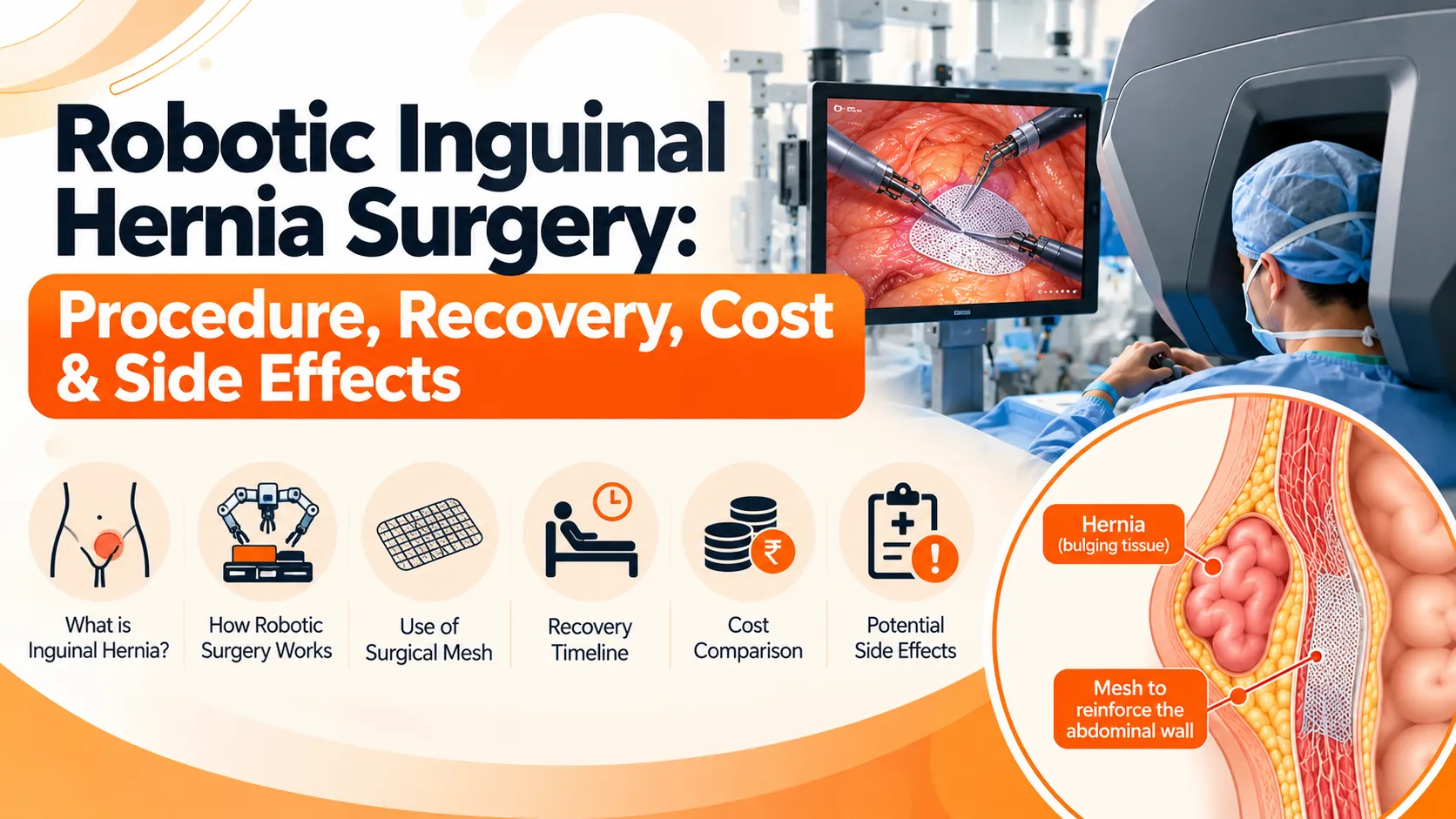
- Robotic Inguinal Hernia Surgery: Procedure, Recovery, Cost & Side Effects
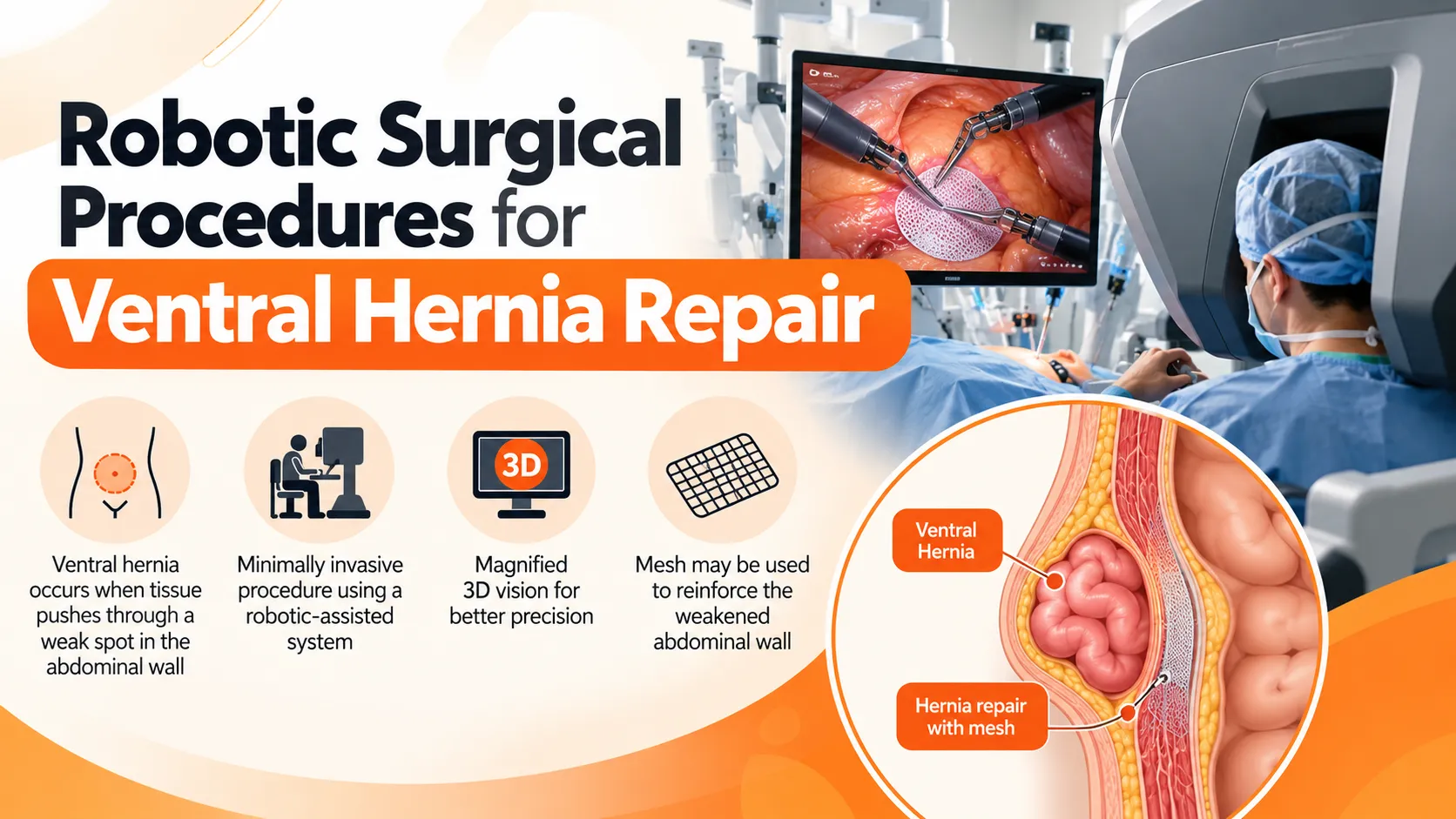
- Robotic Surgical Procedures for Ventral Hernia Repair
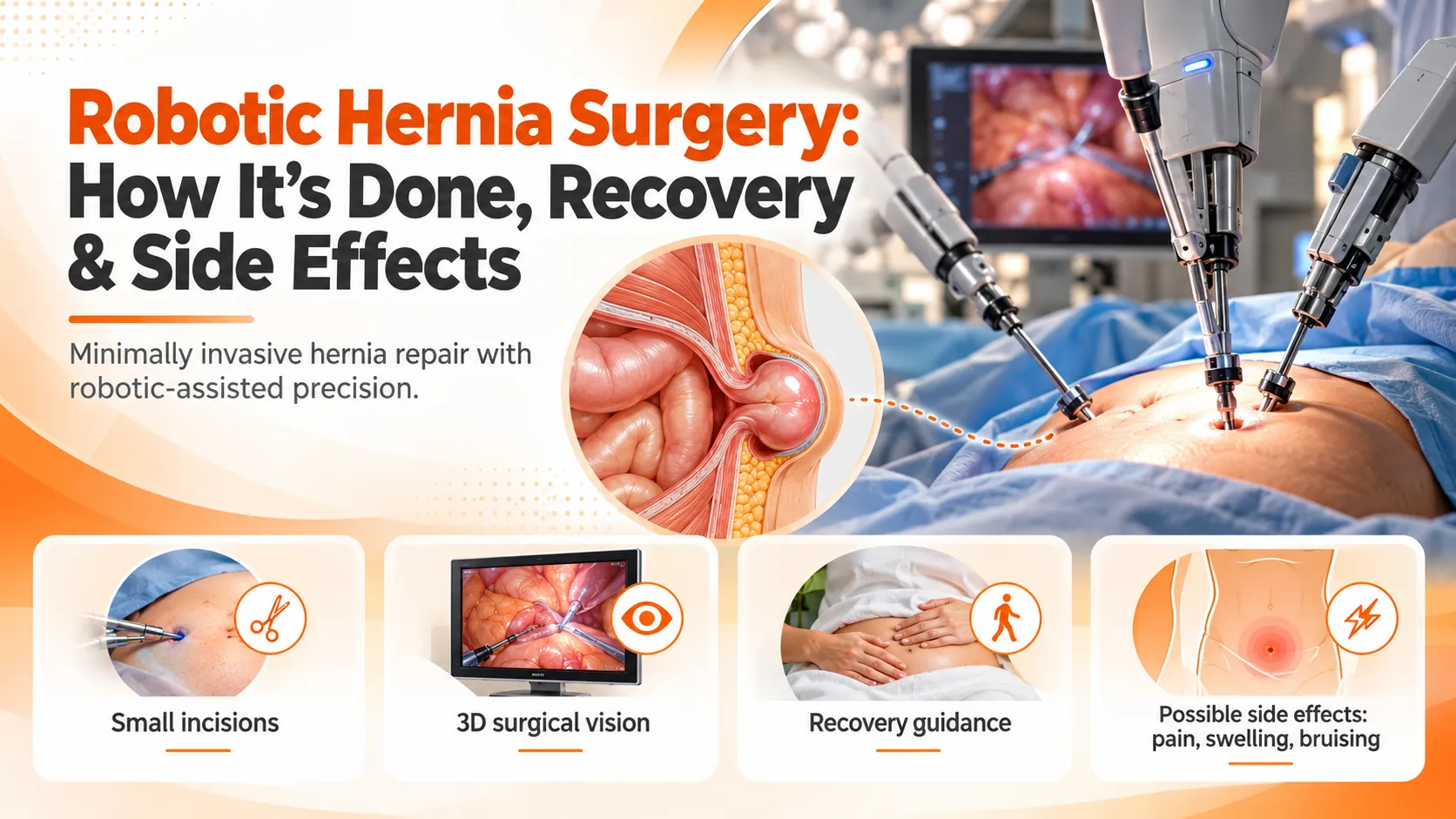
- Robotic Hernia Surgery: How It’s Done, Recovery & Side Effects
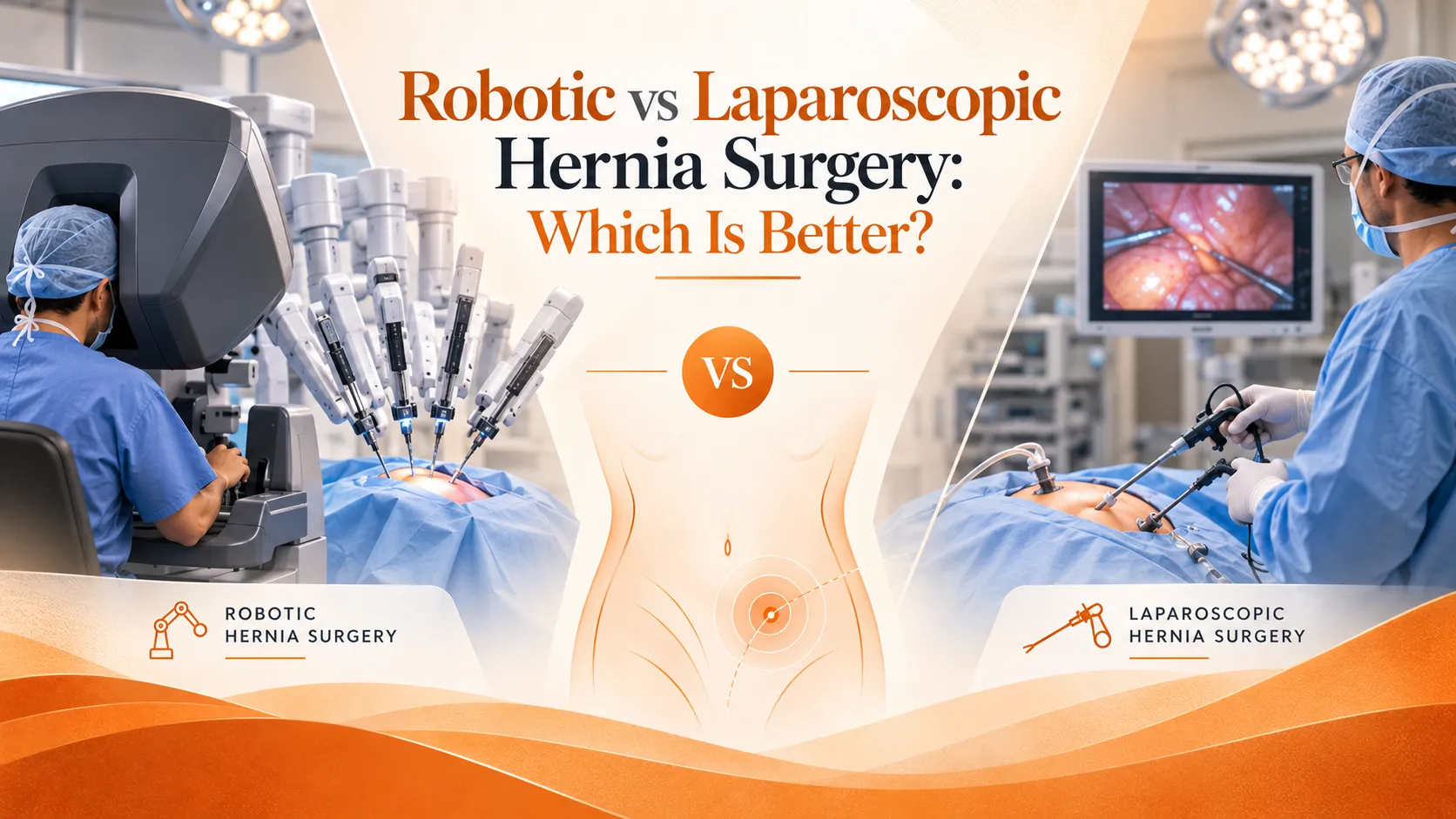
- Robotic vs Laparoscopic Hernia Surgery: Which Is Better?
Related services