If you're considering bariatric surgery, one of the first questions that probably comes to mind is "What is the success rate of bariatric surgery?" The good news is that bariatric or weight loss surgery has helped millions of people achieve significant and long-term weight loss when combined with healthy eating habits and regular physical activity.
The success rate of bariatric surgery depends on several factors, including the type of procedure, your commitment to lifestyle changes, regular follow-up care, and your overall health before surgery. In addition to supporting sustainable weight loss, bariatric surgery may also improve obesity-related conditions such as type 2 diabetes, high blood pressure, obstructive sleep apnea, fatty liver disease, and joint pain in many patients.
In this article, we'll discuss the bariatric surgery success rate, what defines a successful outcome, factors that influence results, expected weight loss, long-term success, and how you can improve your chances of achieving the best possible outcome.
What Is the Success Rate of Bariatric Surgery?
Overall, bariatric surgery has a high success rate when performed on carefully selected patients who follow their surgeon's recommendations after surgery.
For most people, success means:
- Losing a significant amount of excess body weight
- Maintaining weight loss for many years
- Improving overall quality of life
- Reducing obesity-related health conditions
- Becoming more physically active
- Lowering the risk of future obesity complications
Many studies have shown that patients generally lose 50% to 80% of their excess body weight, depending on the type of bariatric procedure performed and their commitment to long-term lifestyle changes.
While surgery is a powerful treatment option, it is not a shortcut for weight loss. Long-term success depends on healthy eating, regular exercise, nutritional follow-up, and consistent medical care.
How Is Success After Bariatric Surgery Measured?
Success is not measured by the number on the weighing scale alone. Doctors evaluate several factors to determine whether bariatric surgery has been successful.
1. Percentage of Excess Weight Loss (EWL)
One of the most common ways to measure success is Excess Weight Loss (EWL).
Generally:
- 50% or more excess weight loss is considered a successful outcome.
- Many patients achieve 60–80% excess weight loss within the first 12–24 months after surgery.
2. Improvement in Medical Conditions
Many patients experience improvement or remission of conditions such as:
- Type 2 diabetes
- High blood pressure
- Sleep apnea
- Fatty liver disease
- High cholesterol
- Joint pain
3. Better Quality of Life
Success also includes improvements in:
- Mobility
- Energy levels
- Confidence
- Mental well-being
- Daily physical activity
- Overall health and independence
4. Long-Term Weight Maintenance
Maintaining weight loss over several years is one of the strongest indicators of a successful bariatric surgery outcome. Patients who continue healthy eating habits, stay physically active, and attend regular follow-up appointments are more likely to maintain their results over the long term.
Can Bariatric Surgery Be Performed Using Laparoscopic or Robotic Techniques?
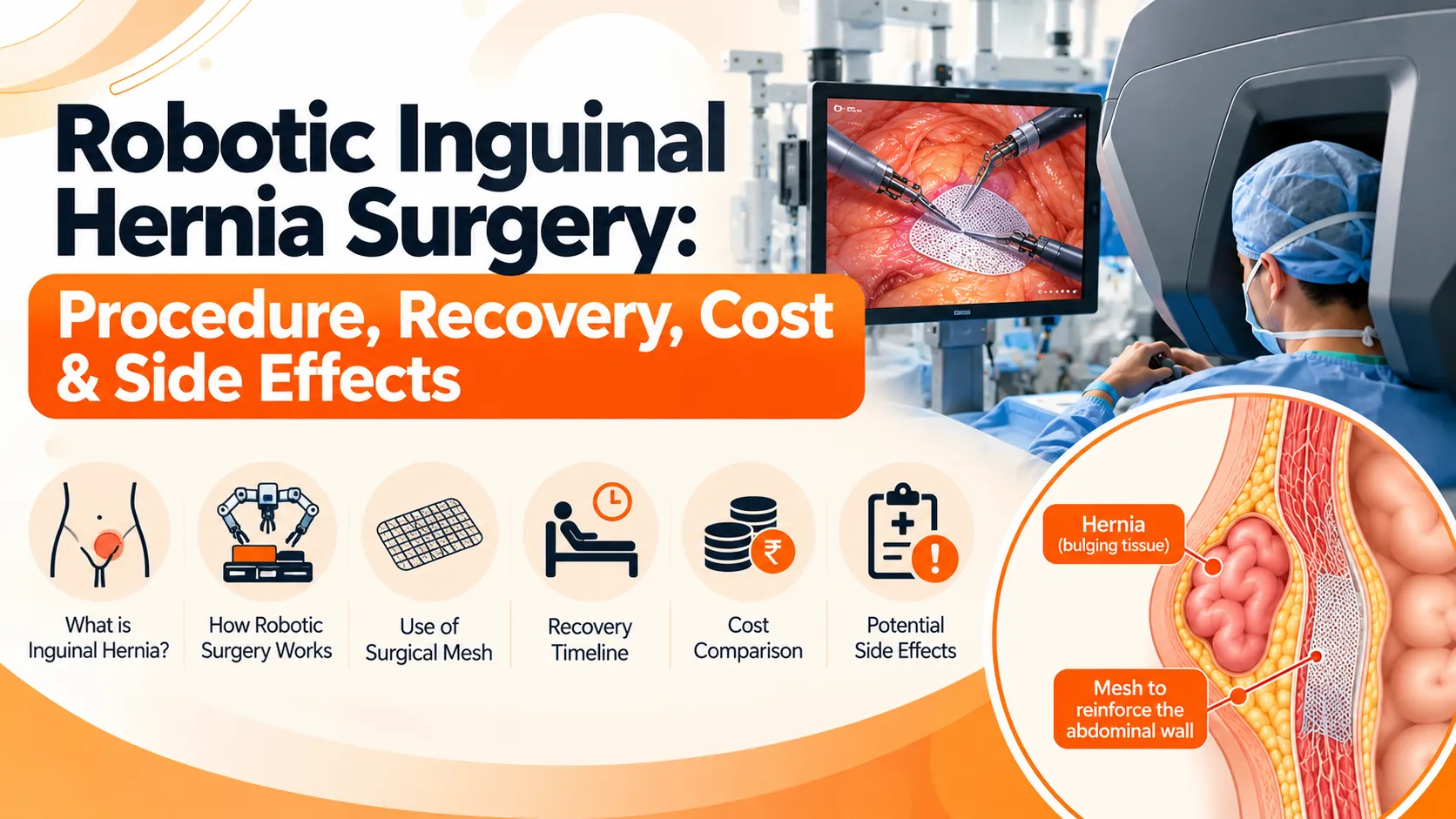
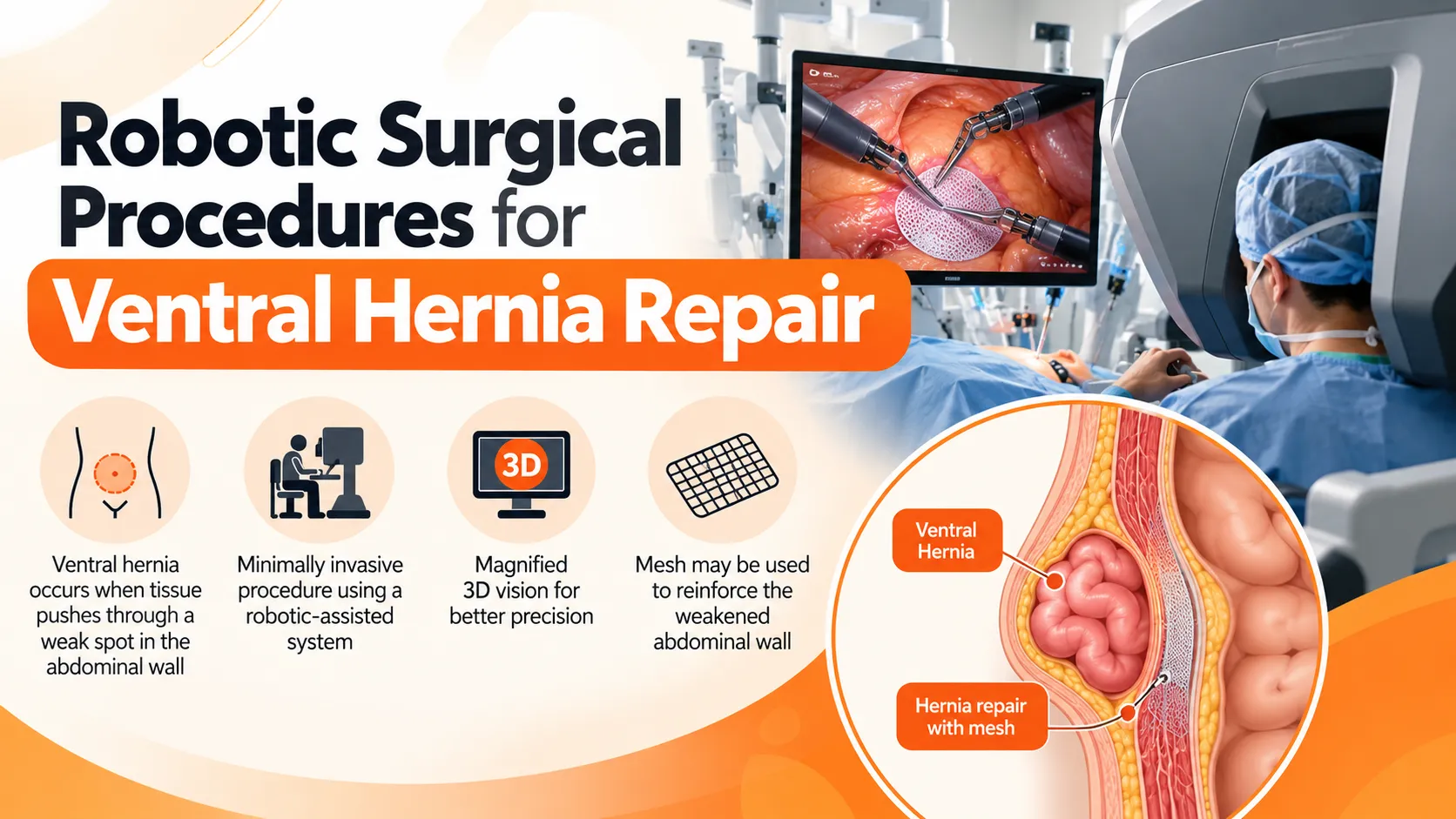
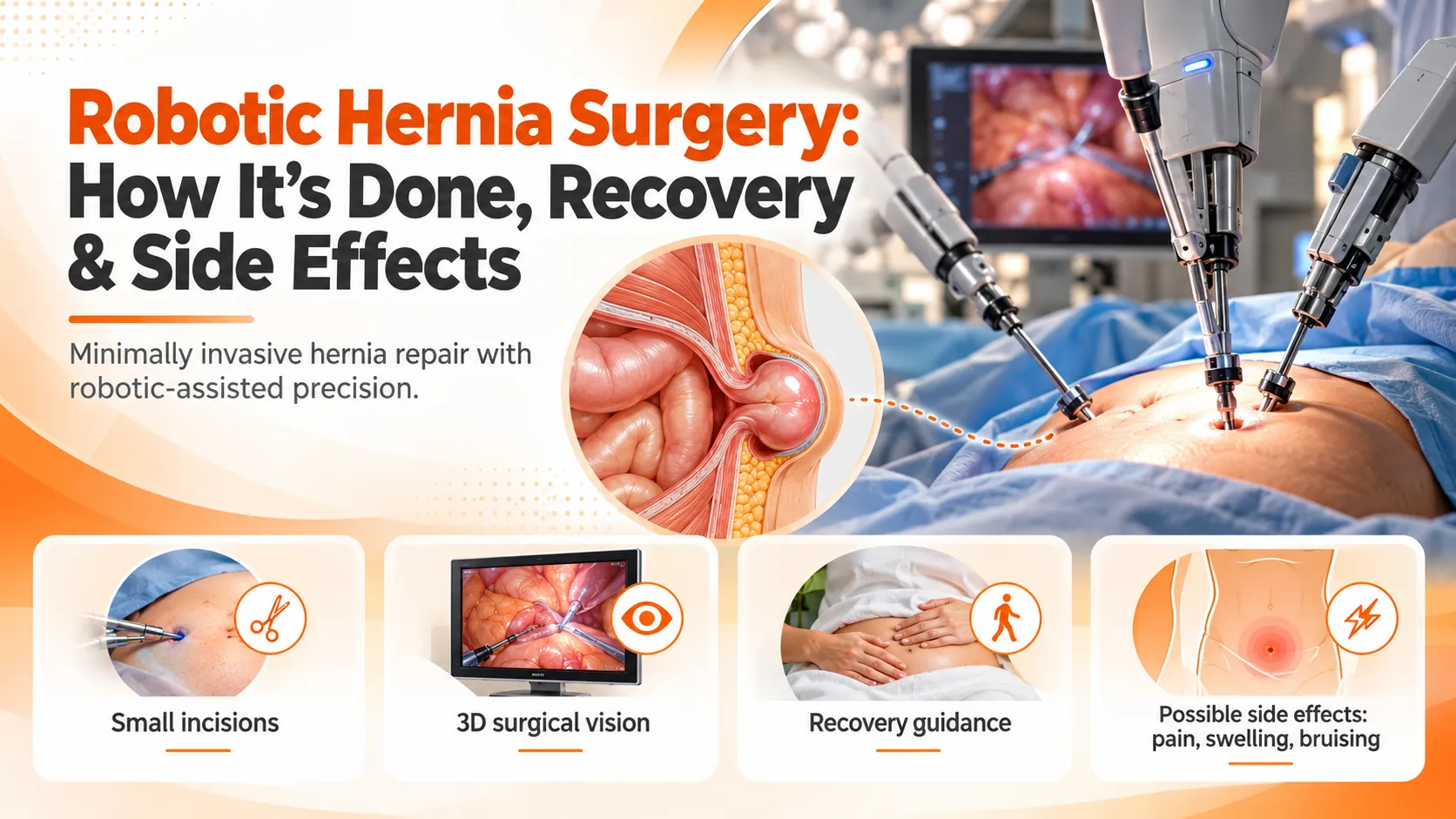
Today, most bariatric surgery procedures, including Sleeve Gastrectomy, Gastric Bypass, and Mini Gastric Bypass, can be performed using laparoscopic (minimally invasive) or robotic-assisted surgical techniques, depending on the patient's condition and the surgeon's expertise.
Both approaches involve small incisions rather than a large surgical cut, which may help reduce post-operative pain, minimize scarring, lower the risk of complications, shorten the hospital stay, and support a faster recovery for many patients. The choice between laparoscopic bariatric surgery and robotic bariatric surgery depends on factors such as your BMI, overall health, previous abdominal surgeries, and the complexity of the procedure.
Factors That Affect Bariatric Surgery Success Rate
The success rate of bariatric surgery depends on much more than the procedure itself. Long-term weight loss and improvement in obesity-related health conditions are influenced by several factors, including lifestyle changes, dietary habits, physical activity, and regular medical follow-up.
1. Type of Bariatric Surgery
Different bariatric procedures produce different weight loss outcomes.
- Gastric Sleeve (Sleeve Gastrectomy): One of the most commonly performed weight loss surgeries. Many patients lose 50–70% of their excess body weight within 12–18 months.
- Gastric Bypass (Roux-en-Y): Often results in 60–80% excess weight loss and may provide better improvement in conditions such as type 2 diabetes.
- Mini Gastric Bypass: Can offer comparable weight loss results with a relatively simpler surgical approach for selected patients.
Your bariatric surgeon will recommend the most suitable procedure based on your BMI, medical history, and overall health.
2. Following the Recommended Diet
One of the biggest contributors to bariatric surgery success is following the prescribed diet after surgery.
Patients are usually advised to:
- Eat small, protein-rich meals
- Stay well hydrated
- Avoid sugary drinks and processed foods
- Take prescribed vitamin and mineral supplements
- Practice mindful eating and avoid overeating
Maintaining healthy eating habits helps maximize weight loss and reduce the risk of weight gain.
3. Regular Physical Activity
Exercise plays an important role in maintaining long-term results after bariatric surgery.
Most patients gradually progress from:
- Daily walking
- Light stretching
- Moderate aerobic exercise
- Strength training after recovery
Regular physical activity helps:
- Burn additional calories
- Preserve muscle mass
- Improve metabolism
- Support long-term weight management
- Enhance overall physical and mental well-being
4. Regular Follow-Up with Your Bariatric Surgeon
Routine follow-up appointments help ensure a smooth recovery and long-term success.
Your surgeon may monitor:
- Weight loss progress
- Nutritional deficiencies
- Vitamin levels
- Hydration status
- Overall health improvements
- Lifestyle adjustments
Regular follow-ups also help identify any concerns early before they become significant problems.
5. Long-Term Lifestyle Commitment
Bariatric surgery is a powerful treatment for obesity, but it is not a shortcut to weight loss. Sustainable success depends on long-term lifestyle changes.
Patients who continue healthy habits generally experience:
- Better long-term weight loss
- Lower risk of weight regain
- Improved energy levels
- Better quality of life
- Long-lasting improvement in obesity-related diseases
Adopting healthy habits after surgery is one of the most important predictors of long-term bariatric surgery success.
Can You Regain Weight After Bariatric Surgery?
Yes, some weight regain after bariatric surgery is possible, but it does not mean the surgery has failed. Most patients maintain significant weight loss for many years, especially when they continue following healthy lifestyle habits.
Weight regain may occur due to:
- Frequently eating high-calorie or sugary foods
- Lack of regular physical activity
- Skipping follow-up appointments
- Emotional or stress-related eating
- Not following the recommended bariatric diet
- Certain medical or hormonal conditions
A small amount of weight regain is common as the body adjusts after surgery. However, significant weight gain should be discussed with your bariatric surgeon to identify the underlying cause and plan appropriate management.
How to Improve Your Bariatric Surgery Success Rate
Although bariatric surgery is an effective treatment for obesity, your long-term success depends on the choices you make after surgery.
Here are some practical tips to help achieve the best results:
- Follow your surgeon's and dietitian's dietary recommendations.
- Eat protein-rich foods with every meal.
- Stay physically active and exercise regularly.
- Drink enough water throughout the day.
- Avoid sugary drinks, processed foods, and frequent snacking.
- Take prescribed vitamin and mineral supplements.
- Attend all scheduled follow-up appointments.
- Get adequate sleep and manage stress effectively.
- Set realistic weight-loss goals and focus on long-term healthy habits.
Consistently following these recommendations can help maximize weight loss, improve overall health, and reduce the risk of weight gain.
When Should You Consult a Bariatric Surgeon?
You should consider consulting a bariatric surgeon if:
- Your Body Mass Index (BMI) is 35 kg/m² or higher with obesity-related health conditions.
- Your BMI is 40 kg/m² or higher, regardless of associated medical conditions.
- Diet, exercise, and lifestyle modifications have not resulted in significant or sustained weight loss.
- Obesity is affecting your daily activities, mobility, or overall quality of life.
- You have obesity-related conditions such as type 2 diabetes, hypertension, obstructive sleep apnea, or fatty liver disease.
A comprehensive evaluation by an experienced bariatric surgeon can help determine whether weight loss surgery is an appropriate treatment option based on your individual health needs.
Conclusion
Bariatric surgery has one of the highest long-term success rates among available treatments for severe obesity when combined with healthy lifestyle changes and regular medical follow-up. While the procedure can lead to significant weight loss and improvement in obesity-related health conditions, lasting success depends on maintaining balanced eating habits, staying physically active, and following your surgeon's recommendations.
If you're considering weight loss surgery, consulting Dr. Ajay Yadav, Best Gastro Surgeon in Lucknow, can help you understand your treatment options and determine the most suitable approach based on your health goals and medical condition.
Frequently Asked Questions (FAQs)
1. What is the success rate of bariatric surgery?
Bariatric surgery has a high long-term success rate. Most patients lose 50% to 80% of their excess body weight, depending on the type of procedure, their starting BMI, and their commitment to healthy lifestyle changes after surgery.
2. How much weight can I lose after bariatric surgery?
Most patients experience significant weight loss during the first 12 to 18 months after surgery. The exact amount varies based on the procedure performed, overall health, and adherence to the recommended diet and exercise plan.
3. Can weight come back after bariatric surgery?
Yes, some weight regain is possible. However, maintaining healthy eating habits, staying physically active, and attending regular follow-up appointments can help minimize the risk of significant weight regain.
4. Is bariatric surgery worth it?
For eligible individuals with severe obesity, bariatric surgery can be a highly effective treatment option. In addition to long-term weight loss, it may improve obesity-related conditions such as type 2 diabetes, high blood pressure, sleep apnea, and fatty liver disease, leading to a better quality of life.
5. Which bariatric surgery has the highest success rate?
Both gastric bypass and sleeve gastrectomy have excellent long-term success rates. The most appropriate procedure depends on factors such as your BMI, medical history, existing health conditions, and your surgeon's recommendation.
6. How can I improve the success rate of bariatric surgery?
You can improve your long-term results by following your surgeon's dietary guidelines, exercising regularly, eating protein-rich foods, staying hydrated, taking prescribed vitamin supplements, and attending routine follow-up appointments.
Related Blogs
- Bariatric Surgery Cost in India
- Bariatric Surgery for High BMI
- Bariatric Surgery for Diabetes
- Bariatric Surgery Recovery Time
- Weight Loss Diet Chart – Men & Women
Related Services