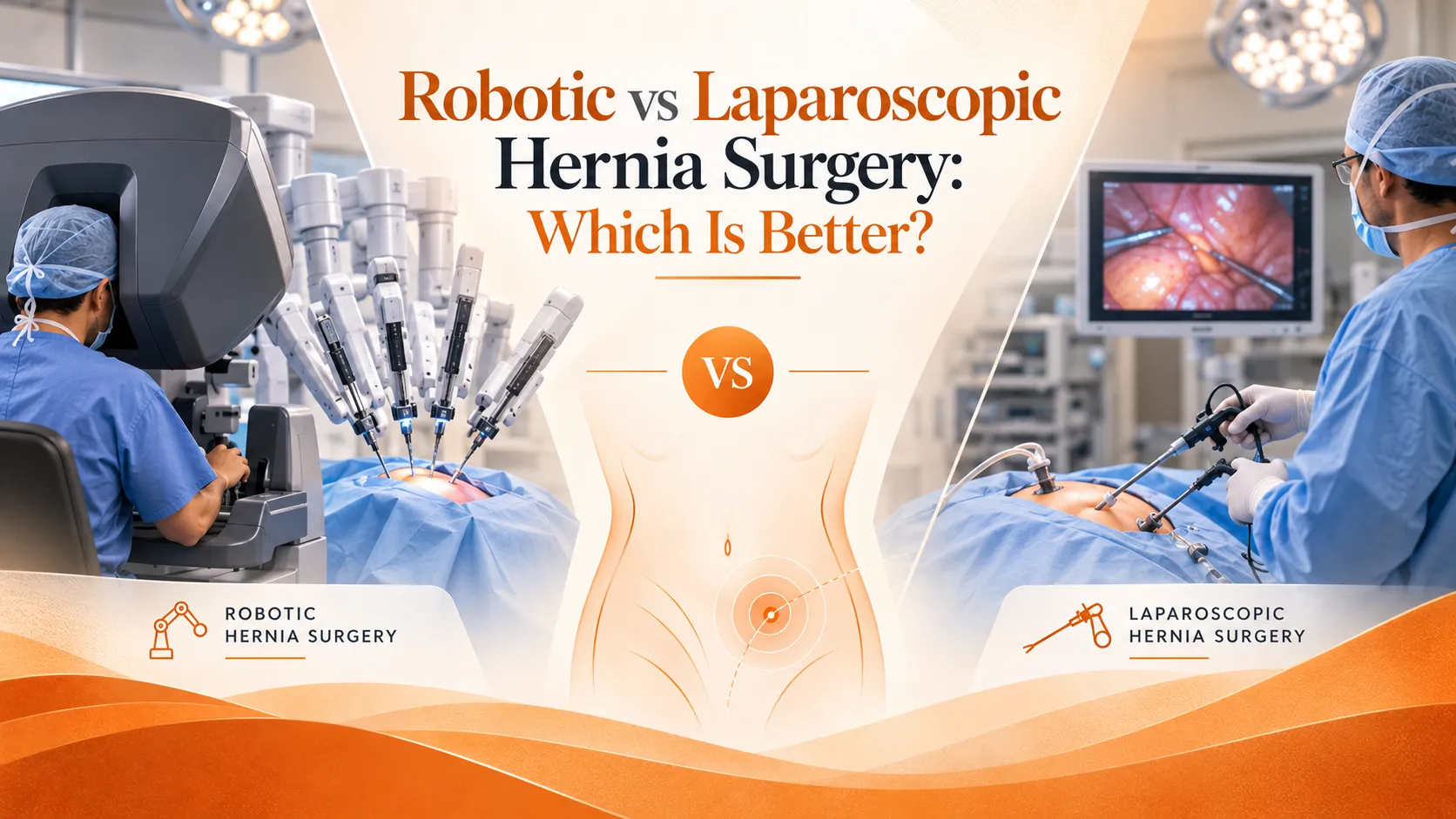

Sleeve gastrectomy removes about 75–80% of the stomach to create a small, banana-shaped tube, while gastric bypass creates a small stomach pouch and reroutes part of the small intestine.
Both are common bariatric surgery procedures that can support weight loss and improve obesity-related conditions. The main difference is that sleeve surgery only reduces stomach size, while gastric bypass also changes the digestive pathway.
What Is Sleeve Gastrectomy?
The sleeve gastrectomy removes 75-80 percent of the stomach. The remaining stomach tissue becomes narrower and longer in shape. This surgery reduces the amount of food a patient can consume since the stomach can now hold a smaller amount of food. This surgery also decreases hunger due to the reduction of some stomach hormones that stimulate appetite.
Since the intestine is not altered in this surgery, food travels the usual path of the digestive system.
Sleeve gastrectomy is considered an irreversible surgery because the removed portion of the stomach cannot be rejoined.
What Is a Gastric Bypass?
Gastric bypass, known as gastric bypass, is different in its mechanism.
The surgeon creates a pouch in the upper section of the stomach. This pouch is capable of holding a smaller amount of food compared to the original stomach.
Then the pouch is connected with a section of the small intestine, as a result of which food bypasses the major portion of the stomach and also bypasses the upper part of the small intestine.
As such, gastric bypass serves as follows:
- It decreases the capacity of the stomach to hold food.
- It alters the normal course of the digestion process.
The latter aspect endows gastric bypass with a strong metabolic effect.
Sleeve Gastrectomy vs Gastric Bypass: What Is the Difference?
The basic difference is quite simple.
Sleeve gastrectomy makes the stomach smaller. Gastric bypass makes the stomach smaller and also changes the digestive pathway.
These are general differences. The results can vary from one patient to another.
Which Surgery Helps More With Weight Loss?
Both types of operations could aid in losing considerable body weight.
As a rule, the bypass operation leads to a slightly higher weight reduction compared to sleeve gastrectomy. However, this does not mean that bypass should be chosen for sure.
In addition, the weight loss is also affected by the initial body mass, eating behavior, physical activity, and postoperative management.
There is a high probability that sleeve gastrectomy will provide great weight loss as well.
What About Diabetes?
It is an essential distinction between the two procedures.
Sleeve gastrectomy and gastric bypass both have positive effects on type 2 diabetes. Some patients can use fewer antidiabetic medications after the procedure, while others enter into a state of remission.
Gastric bypass has a more pronounced effect on blood sugar because the procedure not only affects the volume of the stomach but also the process of digestion of nutrients in the small intestine.
In the case of a person suffering from obesity and diabetes that is hard to control, this can be a good reason to consider gastric bypass.
What If I Have Acid Reflux?
This is one issue that a patient should discuss with his/her surgeon before making decisions on whether to undergo the procedure.
Sleeve gastrectomy can result in acid reflux in some individuals. In addition, it can exacerbate preexisting acid reflux problems.
Unlike sleeve gastrectomy, gastric bypass usually reduces acid reflux and may therefore be considered by individuals with preexisting GERD.
Thus, if an individual experiences heartburn or acid coming up into the mouth, then the surgeon will factor this into consideration when suggesting surgery.
Are the Risks Different?
Yes.
Both operations have some possible risk factors, including bleeding, infection, thrombosis, or leakage.
Sleeve gastrectomy may lead to complications including acid reflux, nausea, and even leakage from the stomach staple line.
In addition to some general risks associated with gastric bypass operation, there are other complications related to manipulation of the intestine, including dumping syndrome, ulcers, bowel obstruction, and nutritional deficiencies.
Supplements containing vitamins and minerals are essential for the post-surgery period. This is especially true for the post-gastric bypass period.
How Does the Surgeon Decide Which Surgery Is Right?
The surgeon does not choose the procedure based only on the patient's weight.
Before recommending surgery, the doctor looks at the patient's overall health and medical history.
Things such as these can make a difference:
- BMI and current weight
- Type 2 diabetes
- High blood pressure
- Acid reflux or GERD
- Sleep apnea
- Fatty liver
- Previous abdominal surgery
- Eating habits
- Current medicines
- Nutritional health
For example, a patient with severe acid reflux may need to be evaluated differently from someone who has obesity with poorly controlled diabetes.
That is why the same surgery is not recommended for every patient.
What Happens After the Surgery?
Life after weight loss surgery requires some changes too.
For the first few weeks, the patients are put on a gradual diet regimen. They begin with liquids, proceed to soft foods, and then come back to regular food items.
The quantity of food eaten becomes much smaller than before the surgery. Protein, water, and vitamins become part of the diet regimen.
Periodic visits to the physician are required too. The weight loss and overall well-being of the patient are monitored. Possible complications like vitamin deficiencies are checked for.
Which One Should You Choose?
It is not necessary to choose either sleeve gastrectomy or gastric bypass based on which of them provides more weight loss.
The sleeve gastrectomy is indicated in many cases where a patient needs substantial weight loss without altering the intestines.
The gastric bypass may be especially indicated for certain patients who suffer from type 2 diabetes mellitus or acid reflux in addition to obesity.
The health background of a patient is what counts in this regard. A correct assessment will assist the surgeon in discussing the pros and cons of each method.
Conclusion
Sleeve gastrectomy and gastric bypass are both effective bariatric surgery procedures, but each works differently and may suit different patients. Sleeve surgery reduces the size of the stomach, while gastric bypass also changes the digestive pathway.
The right choice depends on factors such as BMI, diabetes, acid reflux, previous surgery, and overall health. Dr. Ajay Yadav, Gastro Surgeon in Lucknow with more than 22 years of experience, can evaluate these factors and guide patients toward an appropriate bariatric treatment option.
Frequently Asked Questions About Sleeve Gastrectomy vs Gastric Bypass
1. Can a gastric sleeve be converted to gastric bypass later?
Yes. In selected patients, sleeve gastrectomy can be converted to gastric bypass, particularly when there are problems such as significant weight regain or persistent reflux. The decision requires medical evaluation.
2. Which has more weight regain: gastric sleeve or gastric bypass?
Weight regain can occur after either procedure. Long-term results vary depending on the individual, eating habits, activity levels, health conditions, and follow-up care.
3. Can the stomach stretch after sleeve gastrectomy or gastric bypass?
The stomach or stomach pouch can adapt over time, and some patients may gradually tolerate larger portions. However, this does not automatically mean the surgery has failed.
4. Which surgery takes longer: sleeve gastrectomy or gastric bypass?
Gastric bypass is generally a more complex operation because it involves both the stomach and small intestine. The actual surgery time varies between patients.
5. How long is the hospital stay after sleeve or gastric bypass surgery?
Many patients stay in the hospital for a short period after either procedure. The exact stay depends on recovery, overall health, surgical technique, and whether complications occur.
6. Can hunger return after sleeve gastrectomy or gastric bypass?
Yes. Appetite may increase again over time after either procedure as the body adjusts. Long-term eating habits and follow-up remain important.
7. Can I become pregnant after sleeve gastrectomy or gastric bypass?
Yes. Pregnancy is possible after either procedure, but patients should discuss pregnancy planning with their bariatric surgeon and obstetrician.
8. Is sleeve gastrectomy reversible?
No. Sleeve gastrectomy is considered irreversible because a large portion of the stomach is permanently removed.
9. Can gastric bypass be reversed?
Gastric bypass reversal may be technically possible in selected situations, but it is a complex procedure and is not routinely performed.
10. Can I switch from sleeve gastrectomy to gastric bypass if I regain weight?
Conversion may be considered for selected patients with significant weight regain, but another operation is not always necessary. The reason for the regain should be evaluated first.
Related Blogs
- Mini Gastric Bypass vs Gastric Bypass: What’s the Difference?
- Can Weight Come Back After Bariatric Surgery?
- When Is Bariatric Surgery Medically Necessary?
- Types of Weight-loss Surgery
- Bariatric Surgery Risks, Complications and Side Effects