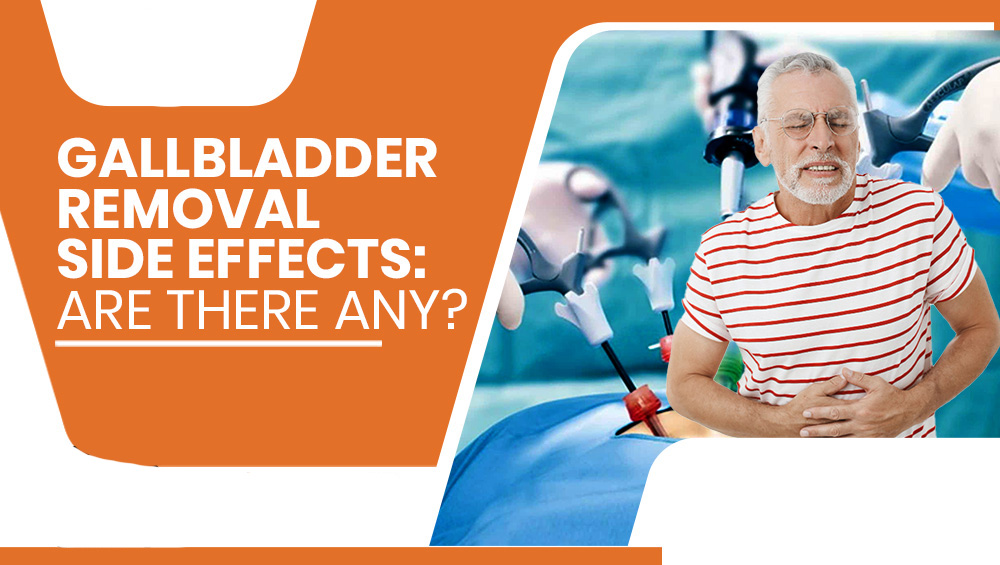
One of the most frequently ideally applied surgery processes is gallbladder removal, or a technical term of cholecystectomy, used as a treatment of such diseases as gallstones and cholecystitis. As much as it can be effective in relieving pain and avoiding occurrences of other complications in the future by gallstones, most patients may ask, do they have side effects or even long-term effects of removing this organ in which bile is stored? Now, this is what you need to know. So, let's start.
How Does Life Go On After Gallbladder Removal?
The gallbladder is the main storage place of the bile. The bile is a digestive liquid that breaks down fats made in the liver and the gallbladder is the primary storage organ of this type of liquid. Following the extraction, a direct route linking the source of the bile (ie, the gallbladder) and the small intestine is established and does not involve discharge according to the pulse at mealtime. The alteration may result in digestive alterations particularly during the initial weeks and months of surgery.
Short Term Side Effects (days to weeks)
-
Digestive discomfort:
Within a little time after the surgery, certain patients complain of nausea, bloating, gas, and alteration in bowel habits. Both diarrhea and constipation can happen, which is mostly heralded by anesthesia, pain medication, and adaptation of the body to the new flow of bile patterns.
-
Pain and tiredness after surgery:
One would expect to feel sore around surgical sites especially using laparoscopic incision in the first few days. Your body will take a few days to weeks to recover as a result of fatigue and differences in appetite .
-
Issues of rare surgical complications:
Even though it is relatively safe under the hands of competent surgeons, there are risks of infection, bleeding, biliary leakage or damage to close structures such as bile ducts particularly during laparoscopic surgeries. They are rare but acceptable complications that must be addressed immediately .
Medium Sterile Adjustments (Weeks to Months)
-
Fat intolerance in food:
The digestion of high-fat foods may become uncomfortable without controlled release of the bile, making one feel sick, bloated, or have diarrhea. Low-fat, high-fiber diet and smaller meals more often improve the condition of many patients .
-
Alteration of the bowel movement:
There are those who develop diarrhea as a result of the bile acid malabsorption. This is removable though it could take weeks before it goes away. The others may experience constipation when using pain medicines or early healing stages.
-
Mood and energy effects:
A change in mood, the loss of appetite, and fatigue is expected during the recovery process. These symptoms are usually resolved when digestion is balanced.
Long-term Effects and post-cholecystectomy syndrome (PCS)
Up to 40 percent of patients can be diagnosed with post-cholecystectomy syndrome (PCS)- a collection of ongoing symptoms that on some occasions develop weeks or years (post-surgery). In the majority of the cases, the problem resolves; however, 10 percent of people can still have persistent discomfort.
The symptoms may be:
- Pain or bloating in the upper right part of the abdomen
- Indigestion, heartburn, and nausea
- Gas and diarrhea that is constant
- Incomplete cramping and discomfort of the biliary character
Underlying causes:
PCS can be as a result of sphincter of Oddi dysfunction, bile duct was left with stones, scarring/adhesions, or behavioral changes in bile flow and digestion following surgery .
Less Common, Yet Notable Long-Term Risks
1. Bile acid diarrhea and malabsorption:
About 20 percent of the patients can experience prolonged diarrhea as a result of bile salts irritating the colon. This condition is usually controlled by changing food and medication such as bile acid sequestrants.
2. Bile reflux:
Others have reflux of bile into the esophageal and stomach resulting in burning, nauseated feelings and gastritis or inflammation of the stomach in extreme situations .
3. Metabolic effects:
Research shows that there might be a greater risk of developing metabolic syndrome a few years into the future, comprising an elevated level of diabetes type 2, hypertension, and cardiac complications especially in the cases where changes in dietary habits are not introduced.
4. Stones of the bile duct:
The gallstones still may develop in bile duct despite having removed the gallbladder. They can lead to obstruction, pain, jaundice, or pancreatitis unless they are detected and managed in the correct way.
Tips on Managing Side Effects Of Gallbladder Removal
-
Make changes to the diet
Low fat, low spices food is enough to begin with. Emphasize on fibre containing foods, proteins, fruits, and whole grains. Have smaller meals more often instead of big meals.
-
Keep on Moving, Drink Water
Digestion is assisted by the intake of water. Mild exercise such as walking enhances bowel movements and decreases the production of gas or bloating.
-
Drug therapy
In case of chronic diarrhea, bile acid binders (e.g. cholestyramine) are beneficial. Bloating, or symptoms of reflux, can be improved by antispasmodics or PPIs, or by enzyme supplements.
-
Observing the pain or abnormalities
Further deterioration or ongoing pain, jaundice, fever, drainage of a bile like substance or intolerance to food should be checked by a physician-this can indicate rare but severe complications such as bile duct injury or leak .
-
Periodic check-up
Follow up with your healthcare provider to do some blood check, liver enzyme tests, and imaging (just like ultrasound or ERCP) whenever your symptoms do not stop or reoccur.
Who Is Most at-Risk?
- Slower adaptation may be witnessed in patients with prior digestive problems.
- The likelihood of persistence of symptoms or changes in metabolism is higher with individuals with high-fat diet or obesity.
- Elderly persons or those who have liver, pancreatic, or gut diseases may require additional attention after the surgery.
When to go to the Doctor?
Although the majority of individuals are cured without problems following the gallbladder surgery, one needs to be aware of the factors that could indicate that something is not right. You are not advised to disregard any symptoms which may point to difficulties.
Still, you need to seek medical help, in case you feel:
- Pain in the abdomen that is bad or does not go away even when the prescribed medicine is taken.
- Body fever and chills can be indicative of an infection.
- Clay-colored stool, jaundiced skin or eyes (i.e. yellowing), which can signal a problem in the bile duct system.
- Nausea or vomiting that lasts a long time; or, in case it has hindered you to eat or to drink anything.
- Perpetuating bloating or abdominal distension.
- Changes in bowel movements such as prolonged diarrhea, pale-colored stool.
- Erythema, edema or drainage in the surgical cut areas.
Do not wait and guess when it is normal healing. The post-operative symptoms must also become better and not worse day by day. Go with your gut, or whenever in doubt, go to your surgeon.
In Summary
It generally provides a safe and efficient cure to the gallstone illness, the gallbladder excision. Most of the patients feel fine again soon and can lead normal life but others might have temporary pains or end up having long-term side effects like shifts in bile acids, PCS, bile acids diarrhea, reflux and bile metabolites. Diet adjustment, medicines and cautionary follow-ups work well in majority of the symptoms.
Searching for the best quality care in Lucknow?
Dr. Ajay Yadav is considered as one of the best gastrosurgeon in Lucknow and he has excellent knowledge in robotic and laparoscopic gastrointestinal procedures. Dr Ajay has a balance of precision and patient comfort, offering laparoscopic cholecystectomy that supports faster healing and often requires only ultra-short hospital stays. If you want to discuss a gallbladder removal procedure or some of its after-effects, Dr. Yadav is a doctor whose surgical expertise is state-of-the-art and whose patient service is one-on-one.
In order to feel surgical level of excellence and hastened recuperation with a sense of safety and ease, book your consultation with Dr. Ajay Yadav today.