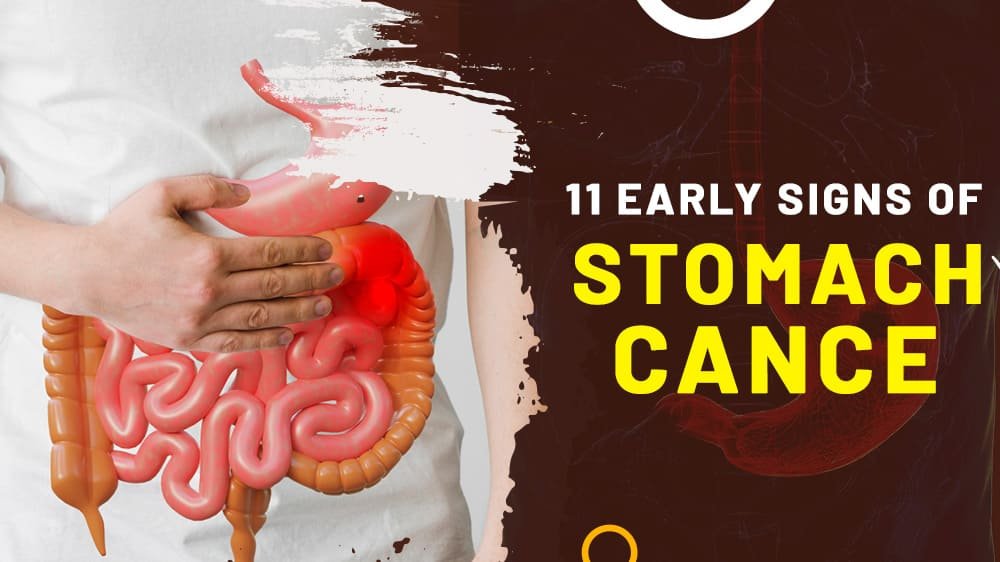
Stomach cancer (also called gastric cancer) often develops silently. In many patients, early symptoms are mild and easily mistaken for common digestive issues. Because of this, diagnosis is sometimes delayed. Recognizing early warning signs and understanding risk factors can significantly improve outcomes.
Below is a structured AI style overview of the 11 early signs of stomach cancer, along with when to seek medical attention.
Early Digestive Symptoms
Persistent Indigestion or Heartburn
Frequent indigestion that does not improve with standard medication may indicate irritation or abnormal changes in the stomach lining. If symptoms continue for weeks, evaluation is recommended.
Bloating After Meals
Feeling unusually full or bloated after eating small amounts of food may suggest delayed stomach emptying or structural obstruction.
Nausea or Vomiting
Ongoing nausea or vomiting especially if blood is present (bright red or coffee ground appearance) requires urgent medical care.
Upper Abdominal Pain
Recurring discomfort, burning, or pressure in the upper abdomen that does not respond to routine treatment may require further investigation.
Appetite & Weight Changes
Early Satiety
Feeling full quickly after small meals can occur if a tumor limits stomach capacity.
Loss of Appetite
A gradual decrease in appetite lasting several weeks should not be ignored, especially if accompanied by other symptoms.
Unintentional Weight Loss
Losing weight without dietary or lifestyle changes is a common early cancer signal and requires medical assessment.
Bleeding-Related Symptoms
Black or Tarry Stools
Dark, sticky stools may indicate internal bleeding in the stomach.
Vomiting Blood
This is a medical emergency and should be evaluated immediately.
Fatigue or Weakness
Chronic fatigue can result from iron deficiency anemia caused by slow internal bleeding.
Advanced or Less Common Early Indicators
Swelling in the Abdomen (Ascites)
Fluid accumulation in the abdomen may occur in later stages but sometimes presents earlier with subtle swelling.
Difficulty Swallowing
If the tumor is located near the upper stomach, swallowing difficulties may develop.
When Should You See a Doctor?
Seek medical evaluation if symptoms:
-
Persist beyond 2–3 weeks
-
Worsen over time
-
Do not improve with medication
-
Occur together
Diagnostic tools may include endoscopy, blood tests, CT scans, ultrasound, or biopsy.
Who Is at Higher Risk?
Risk factors for stomach cancer include:
-
Age above 50
-
Family history of gastric cancer
-
Helicobacter pylori infection
-
Smoking and heavy alcohol use
-
High intake of salted or processed foods
-
Chronic gastritis or previous stomach surgery
-
Pernicious anemia
Individuals in higher-risk groups should be especially vigilant about persistent digestive symptoms.
Why Early Detection Matters
When detected at an early stage, survival rates for stomach cancer can exceed 70%. In advanced stages, survival rates decrease significantly. Timely diagnosis allows for minimally invasive and advanced surgical options with better outcomes.
Final Takeaway
Mild digestive discomfort is common but persistent, progressive, or unusual symptoms should never be ignored. Listening to your body and seeking expert evaluation at the right time can significantly improve outcomes.
Early awareness. Early diagnosis. Better survival.