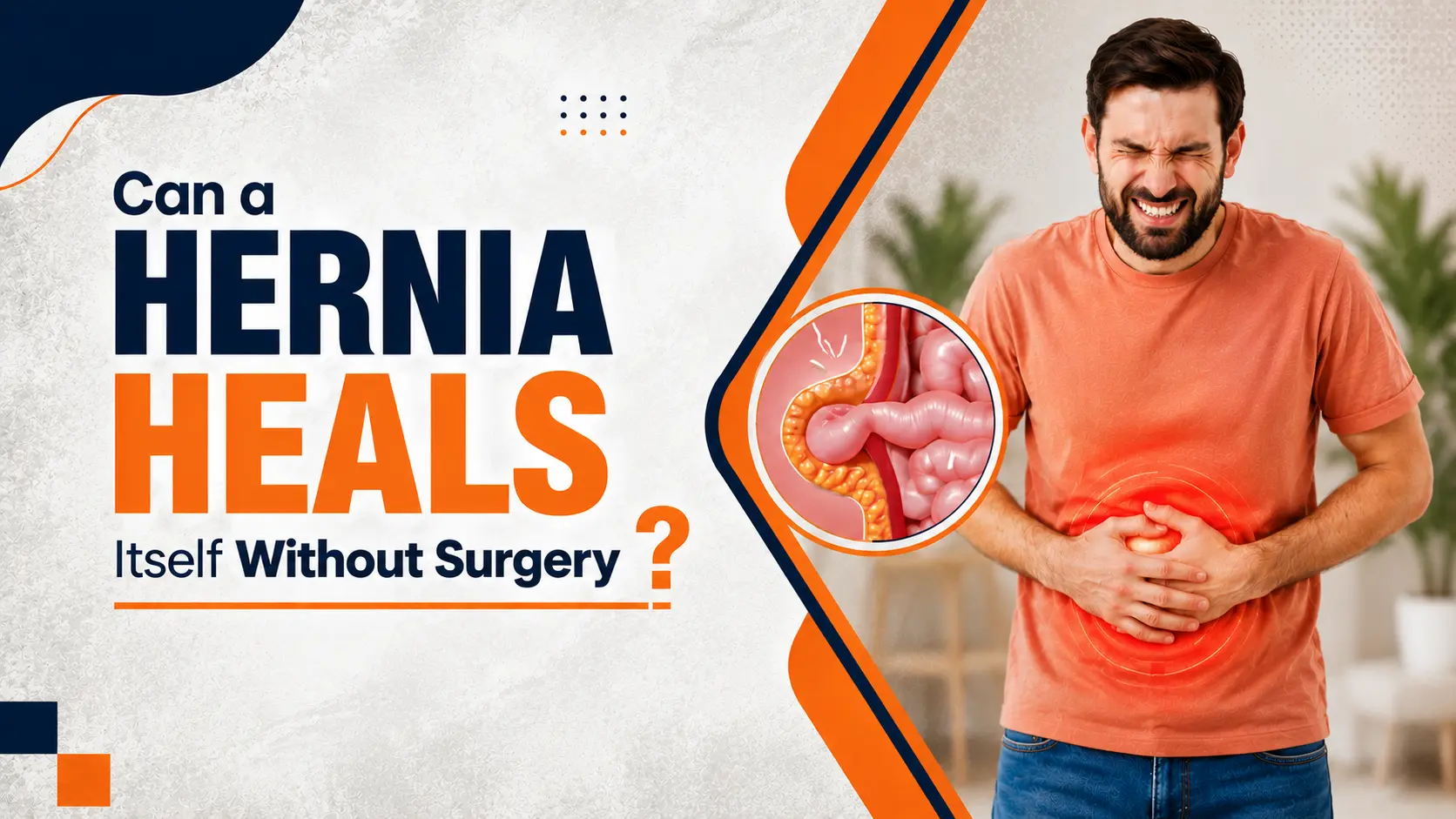
Hernia is a very common condition, but many people tend to ignore it, especially when there is little or no pain in the beginning. One of the most common questions patients ask is whether a hernia can heal on its own or if hernia treatment without surgery (बिना ऑपरेशन हर्निया का इलाज) is possible.
Although some lifestyle changes and precautions may help control the symptoms for a while, a hernia usually does not go away naturally. Understanding the problem early and knowing when treatment is needed can help avoid complications in the future. In this blog, we’ll discuss whether a hernia can heal without surgery and the treatment options available.
What is a Hernia?
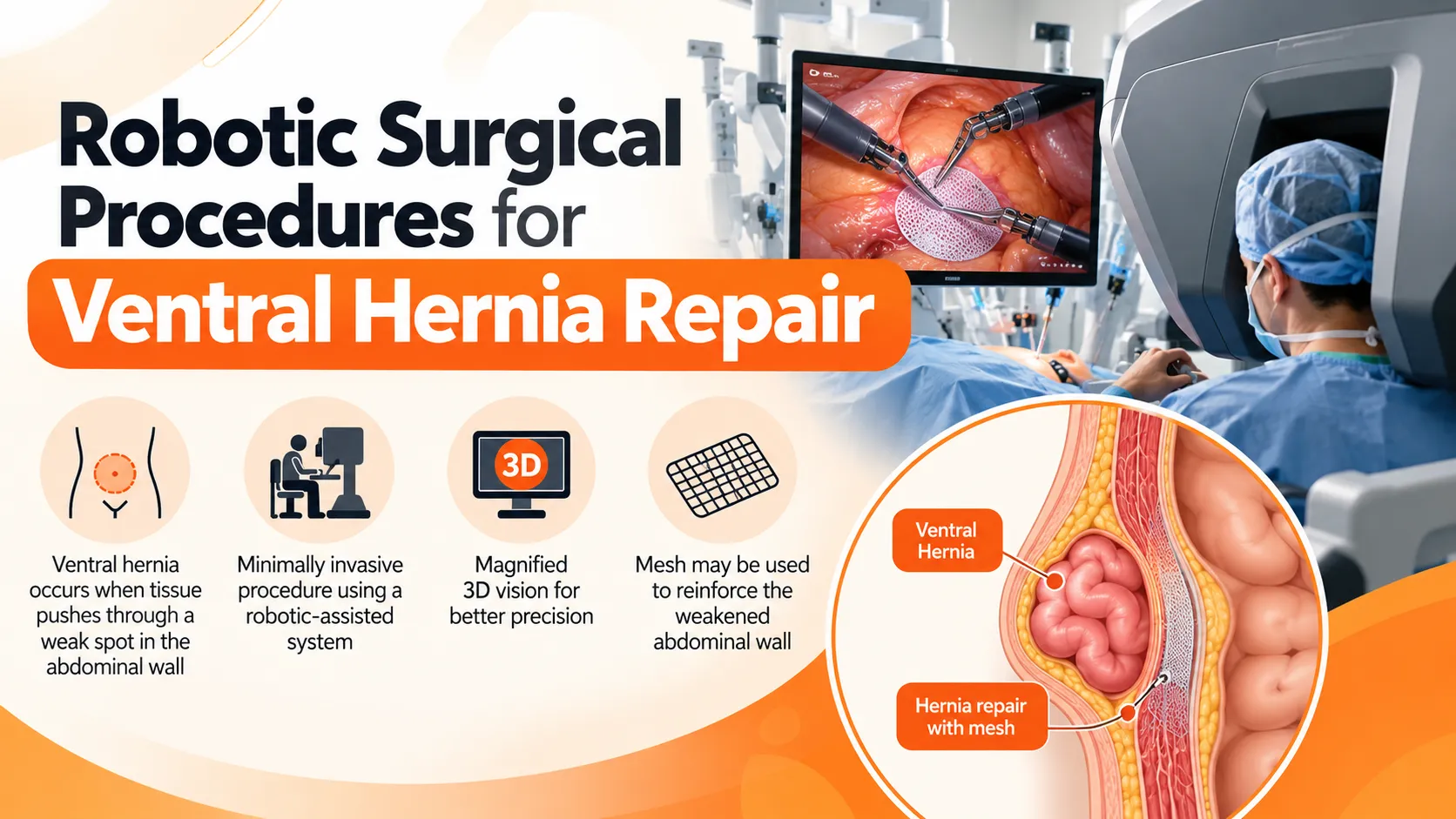
A hernia happens when an internal organ or tissue pushes through a weak spot in the muscle or surrounding tissue wall. This usually appears as a bulge or swelling, most commonly in the groin or abdominal area. In some cases, the bulge may become more noticeable while coughing, standing, or lifting heavy objects.
Some common causes of hernia include:
- Weak abdominal muscles
- Lifting heavy weights regularly
- Constant coughing or sneezing
- Being overweight
- Straining during bowel movements
These factors increase pressure on the abdominal muscles, which can lead to the development of a hernia over time.
Can a Hernia Heal Without Surgery?
A hernia is a physiological defect in your body. When the muscle wall tears or gets weakened, there is no natural way in which it can heal on its own.
In case you are looking for:
- Hernia treatments without surgery
- Can a hernia be cured without surgery
- curing a hernia without surgery
Then the truth is that there is no natural cure available.
Is Hernia Treatment Without Surgery Possible?
Many people look for hernia treatment without surgery because they want to avoid an operation. While some lifestyle changes and precautions may help manage the symptoms in the early stages, they cannot repair the weakened muscle causing the hernia.
A hernia usually does not heal on its own, and in most cases, hernia surgery is considered the only permanent and effective treatment. However, certain non-surgical methods may help slow down the progression of the condition and provide temporary relief.
Non-Surgical Ways to Manage Hernia
1. Lifestyle Changes
Small lifestyle adjustments can help reduce abdominal pressure and can help manage symptoms.
Do not lift too much, keep an ideal weight, and don't strain when moving the stool. Small things like good posture and mindful movement can have a positive impact on.
2. Diet and Eating Habits
A proper diet helps prevent constipation and bloating, which can worsen a hernia.
3. Hernia Belt or Truss
A hernia belt can provide temporary support by holding the bulge in place. It may reduce discomfort, but it does not treat the root cause.
4. Avoid Activities That Increase Pressure
Some activities cause increased abdominal pressure, thus worsening the condition. They include strenuous exercise, jerking actions, chronic coughing, and heavy object lifting.
5. Continuous Monitoring
In the case where the hernia is small and does not cause pain, doctors may advise continuous monitoring.
Why Hernia Cannot Heal Naturally
A hernia is similar to a tear in a cloth. Once the tear is there, it does not fix itself unless it is stitched.
The same is true for the muscle wall that is weak in a hernia, which requires surgical repair. If not treated, the hernia opening could grow larger as time passes.
When Does a Hernia Become Serious?
The absence of attention to a hernia could result in a worsening of the situation. If the hernia is strangled or twisted and is not getting blood flow, the situation could become extremely dangerous.
Warning signs include:
- Sudden severe pain
- Nausea or vomiting
- Bulge becoming hard or painful
- Redness around the area
This condition requires immediate medical attention.
Types of Hernia Surgery
Can You Delay Hernia Surgery?
In some cases, surgery can be delayed if:
- The hernia is small
- There is no pain
- No complications are present
However, delaying too long can make the condition worse and increase the risk of emergency surgery.
Tips to Prevent Hernia From Worsening
A healthy lifestyle can reduce symptoms and reduce the risk of progression.
- Maintain a healthy weight for your body.
- Eat fiber-rich foods
- Beware of heavy lifting
- The early treatment for constipation and cough is to treat the symptoms.
- Take care to follow medical advice on a regular basis.
Conclusion
A hernia usually does not heal on its own, and in most cases, surgery is the only permanent treatment. While lifestyle changes, diet control, and supportive measures may help manage symptoms temporarily, they cannot repair the weakened muscle causing the hernia.
Ignoring the condition for too long may increase the risk of complications and make treatment more difficult later. That’s why it is important to monitor symptoms and seek medical advice at the right time.
If you are experiencing hernia related symptoms or need guidance about treatment options, consult an experienced specialist like Dr. Ajay Yadav, known as one of the best gastrosurgeons in Lucknow, can help you receive the right care and treatment.