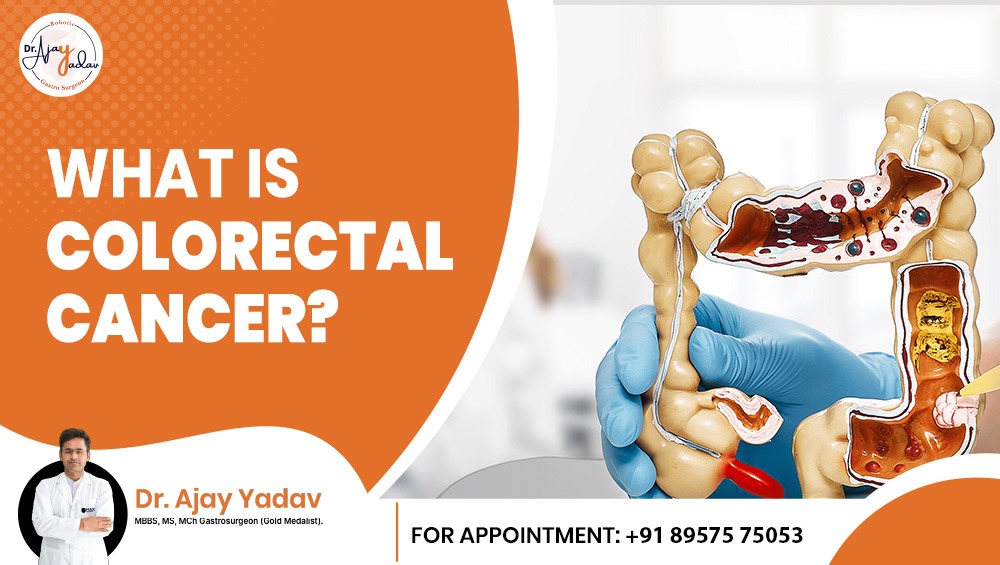
Colorectal cancer is a cancer which is very mostly diagnosed in many parts of the globe. But on most occasions it remains undiagnosed in the earlier stages as the symptoms are either symptomless or ambiguous. This type of cancer occurs in the colon (large intestine) and the rectum and in most cases starts as small and noncancerous growths of cells known as polyps, which develop in the inner surface of the colon or rectum. These polyps develop into cancer after some time.
It is crucial to recognize what colorectal cancer is, how it forms, the indicators that it could be developing, and how to go about seeking medical treatment, not only to the individuals who are at risk of developing colorectal cancer, but also to all persons willing to take the bull by the horns and be proactive concerning their gastrointestinal well-being.
History & Anatomy of the Colon and Rectum
In order to comprehend colorectal cancer, we must have prior knowledge of the anatomy behind the same.
- The colon or the large bowel is actually the body part involved with the absorption of water and electrolytes in the broken down food.
- The last part of the colon is the rectum where waste is held and then excreted through the anus.
- Colorectal cancer may occur in any location in this area and to clarify the location, colorectal cancer may be classified as the one that starts in the colon or the rectum.
Causes of colorectal cancer?
Cancer of the colon and rectum typically occurs when adenomatous polyps form- it is an abnormal growth that may occur on the lining of the rectum or colon. Such polyps can either be benign or cancerous with time though they may be so when left untreated.
When colon and rectal cells change uncontrollably, they start to divide in a way that signals the emergence of cancer. Such malignant cells can ultimately spread adjacent tissues and organs and in higher states they can metastasize to areas that are at distal locales of the body through the blood or through the lymphatic system.
Symptoms of Colorectal Cancer
The fact that colorectal cancer produces no symptoms during its early stages is one of the reasons why it is a dangerous disease. Some early symptoms of colon cancer before bleeding may be subtle or mistaken for common digestive issues. Nevertheless, additional signs such as the following might appear as the cancer advances:
- Continual modification of bowel habit (loose bowels, constipation, or narrow stools)
- Dysentery; hemorrhage in the rectum or in the faeces
- Mysterious weight loss
- Lethargy or debilitation
- Stomach pain or cramps
- The feeling of lack of empty bowel movement
These symptoms may simply be signaling colorectal cancer, not necessarily showing, but it is always a red flag that should never be overlooked, especially when they are present over time.
Risk Factors
There are a number of factors which predispose a person to colorectal cancer. The risk factors are:
1. Age
Most of the colorectal cancers are in individuals who are beyond 50 years, but younger adults are also being diagnosed.
2. Family History
There is an increased risk of colorectal cancer or polyps of first degree relatives.
3. IBD Inflammatory Bowel Diseases
Medical condition such as Crohn disease, or ulcerative colitis predisposes an individual to develop colon cancer because of chronic inflammation.
4. Lifestyle Factors
The factors increasing the possibility of the development include a sedentary lifestyle, obesity, smoking and excessive alcohol, the red or processed meat diet.
5. Genetic Syndromes
Some of the inherited diseases, such as Lynch syndrome or familial adenomatous polyposis (FAP), may predispose individuals to early-onset colorectal cancer.
What are the ways of diagnosing colorectal cancer?
Recognition through early diagnosis is important in its treatment. For those concerned about how to detect colon cancer early, understanding the available diagnostic options is crucial. The methods of diagnosis are:
- Colonoscopy: This is the gold standard test where a physician is able to see the colon, the rectum, and be able to remove the suspicious polyps by visual inspection and perform the biopsy.
- Stool tests: e.g. fecal immunochemical test (FIT) or stool DNA test determines occult blood or malignant cells in the stool samples.
- CT colonography: This is also referred to as a virtual colonoscopy whereby abnormalities are identified through imaging.
- Biopsy: Test carried out after the discovery of a polyp or tumor with a view of establishing that the tumor or polyp is cancerous.
In most scenarios, individuals who are asymptomatic can be screened routinely once they turn the age of 45 or below based on risk factors.
Treatment Options
Treatment of colorectal cancer will be based on the type of cancer, the location of the tumor and the general health condition of a patient. Treatment can be one of the following:
1. Surgery
The first and most crucial step may be removing Cancer surgically. Localized tumors, when detected early enough can be operable by applying minimally invasive procedures like laparoscopic surgery or robotic surgery that take a shorter duration to heal and complications are minimal.
2. Chemotherapy
Adopted to kill the colon cancer cells or to stop them when cancer is widespread other than colon or the rectum.
3. Radiation Therapy
It is invariably utilized in cases of rectal cancer, especially in cases where the tumors are big or close to the anus.
4. Targeted Therapy and Immunotherapy
They involve the application of special chemicals on cancerous cells without any harm to the normal cells and in most cases are applicable only in severe or metastasised scenarios.
Is it possible to prevent Colorectal Cancer?
As much as it cannot be reduced in all cases, you can really minimize your chances of being attacked by making lifestyle changes to a healthier one:-
- Consume fiber, fruits, and vegetables-rich diet.
- Drink plenty of fluids
- Restrict processed and red meat
- Exercise regularly
- Do not smoke, and moderate alcohol use
- Motivate and encourage people to have a healthy weight
- Have regular screening above 45 years or younger in case of high risk
When polyps are detected, screening is very accurate in identifying the precancerous lesions, which can then be eliminated before they develop into cancerous lesions.
When to use Medical Aid?
In case you discover some unusual changes in the bowel movements without a reason, blood in stool, stomach pains, loss of weight, you have to turn to a specialist. Though the symptoms might appear mild and not persistent, early assessment can play a crucial role in making the consequences. Early symptoms of colon cancer before bleeding may include persistent constipation, abdominal discomfort, or unexplained fatigue — signs that shouldn't be ignored.
Having colorectal cancer in the family history or inflammatory bowel diseases means that the individual should also be active concerning the process of screenings and meetings with GI specialist.
Conclusion
Colorectal cancer is a deadly and yet a highly curable disease upon being caught at an early stage. Being aware of the symptoms, being aware of your risks, and choosing to use regular screening may give you an excellent opportunity to avoid or mitigate this condition.
Are you or someone close to you having recurring colorectal surgery or yearning to be free of colorectal problems, wait no more.
Being the best gastrosurgeon in Lucknow, Dr. Ajay Yadav is the most qualified person in treating colorectal and gastrointestinal disorders with the assistance of improved robotic and laparoscopic GI surgeries. Having gained a reputation that focuses on accuracy, care, and a quicker recovery rate, Dr. Yadav is a name that is trusted by patients in the region. His approach makes you feel that you have made the best choice in case you are under the diagnosis or even you need any second opinion. Book a call today.