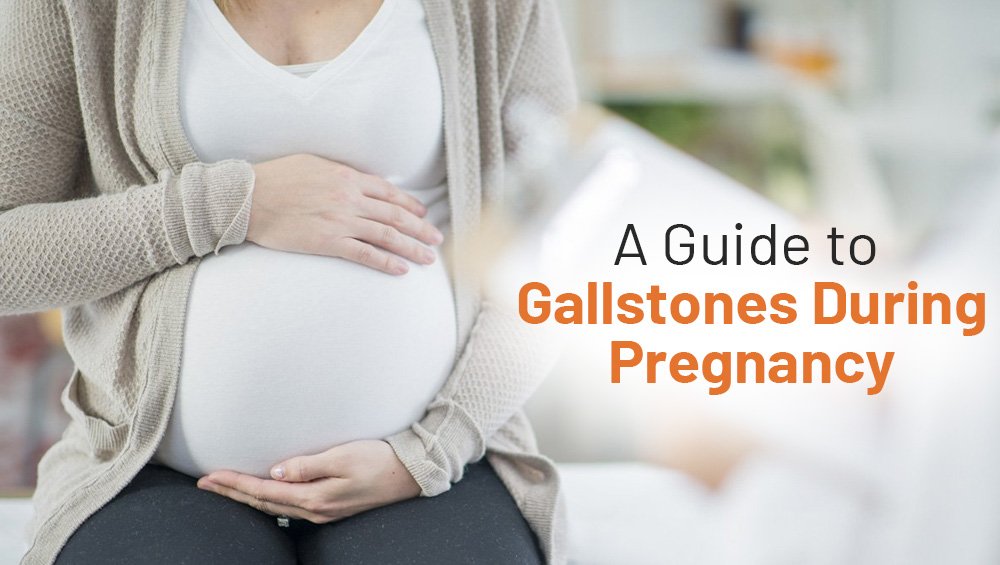
The experience of pregnancy is beautiful. However, it comes with numerous physical changes, among which the gallbladder might be impacted, leading to the formation of gallstones. Due to the estrogen and progesterone levels changing drastically, many women get affected by gallstones during the course of their pregnancy since the hormone levels retards the action of the gallbladder and increase the thickness of the bile at the same time. Though the condition is not as rare as it is often considered, knowing about it can make one effective in controlling the pain and also in dealing with serious impediments. In case you have any signs or are concerned about gallstones during pregnancy, this guide will put everything in a very easy and understandable manner.
Why Do Gallstones Occur More Often During Pregnancy?
There are many causes for gallstones forming during pregnancy:
1. Hormonal fluctuations
Estrogen in higher quantities raises the cholesterol content of bile, and progesterone brings about a delay in the gallbladder's emptying. When the bile is thick and the movement is slow, the risk of gallstones is increased. These hormonal influences cause many women to experience the first signs during the second or third trimester.
2. Gallbladder Functioning Reduced
The bile can stay in the gallbladder for longer than is necessary after it has been overworked. This makes it easier for stones to form.
3. Elevated Cholesterol Levels
The condition of pregnancy can increase the level of cholesterol in the body. This increases the risk of gallstones.
4. Other Risk Factors
Heredity, overweight condition, high-fat diet, or past gallstones are some of the conditions that can make it more likely to suffer from gallstones during pregnancy.
Common Symptoms You Should Notice
There are a lot of females who confuse gallbladder pain during pregnancy with gas, acidity, and just general pain related to pregnancy. Nevertheless, there are some specific symptoms accompanying gallbladder pain in pregnancy, which are as follows:
- The pain is sharp and sudden on the right side of the upper stomach.
- The pain may spread to the back or shoulder
- Nausea or vomiting
- feel bloated after eating
- Pain, particularly after eating oily or fried foods
- Ingestion that isn't getting better promptly
If you experience these symptoms regularly, you may have an indication of gallstones in pregnancy. You should seek out a physician.
Can Gallstones Be Dangerous During Pregnancy?
If the gallstones are small and not obstructive, they are usually and hence not dangerous. However, there is are chance where complications could arise.
1. Gallbladder Inflammation
A gallstone may cause obstruction to the gallbladder, resulting in symptoms including swelling as well as fever. It can also be extreme pain and discomfort.
2. Bile Duct Obstruction
A stone occluding the bile duct can cause Bilateral tubal ligation.
3. Pancreatitis
If a stone moves into the duct of the pancreas, it can lead to serious inflammation of the organ.
4. Infection
An obstruction in the gallbladder can trigger an infection. Surgery can be the solution, and medical assistance will depend on how severe the case is, but it is usually urgent regardless.
The reason why women who suffer from gallbladder pain in pregnancy should not take their symptoms lightly.
Diagnosis: How Doctors Confirm Gallstones
Doctors typically employ:
1. Ultrasound
This is the most reliable and accurate method of finding gallstones during pregnancy.
2. Blood Tests
These tests are used to detect inflammation, inflammation or liver issues.
3. Physical Exam
Doctors press certain regions to determine the response to pain.
All of these steps can determine Gallstones' presence in pregnancy and help guide treatment.
Treatment Options for Gallstones During Pregnancy
Treatment is contingent on the symptoms and their severity of the symptoms.
1. Lifestyle and diet management
In terms of mild symptoms, doctors typically suggest:
- Avoiding oily, fried, and spicy food
- Consuming small portions of light food
- A good source of water is drinking plenty
- Choosing fiber-rich foods
- Active and safe exercise
These changes can be beneficial in helping to reduce the frequency of pain in the gallbladder during the course of pregnancy.
2. Medicines
Doctors may prescribe safe pain medicines or medicines to reduce nausea. Strong medicines are avoided due to pregnancy.
3. Gallbladder Surgery
Extreme pain and any complications may lead to the suggestion of gallbladder removal surgery (laparoscopic cholecystectomy).
Pregnancy-related surgery is a major concern for most patients, though it is totally safe in the second trimester. By applying a minimally invasive method, the surgeons can take the gallbladder out and at the same time, prevent future attacks.
If surgery is inevitable, the best gastrosurgeon in Lucknow should be selected in order to guarantee safe treatment and speedy recovery.
Prevention Tips for Pregnant Women
Here are a few easy methods to avoid gallstones during pregnancy:
- Maintain an appropriate weight
- Do not eat greasy, heavy food items
- Include more fruits, vegetables and whole grains
- Do not skip meals
- Drink plenty of water
- Go for daily walks or do the activities that your doctor has prescribed
Conclusion
Gallstones are very common in pregnant women due to hormonal changes and the slow gallbladder's movement. Many women feel discomfort, sharp pain, or indigestion. The good news is that with early checks and regular diet adjustments, lifestyle adjustments, and appropriate medical guidance, gallstones during pregnancy are easily treated. When severe, gallbladder surgery during pregnancy is safe and effective if done by an experienced specialist.
You can consult Dr. Ajay Yadav, the best gastrosurgeon in Lucknow, with 22+ years of experience in treating problems related to the gallbladder.