Liver cancer is a "silent killer" that is on the rise and is often detected too late, making treatment more difficult. Early diagnosis of liver cancer is important for faster recovery and better treatment as well.
If you're diagnosed with liver cancer, finding out about that is one of the steps toward healing and a new beginning. Since the cancer is not visible and afflicts hundreds of people every year. It's usually discovered later, because it develops gradually. Understanding the basic principles of liver cancer will allow patients to recover and will give them confidence.
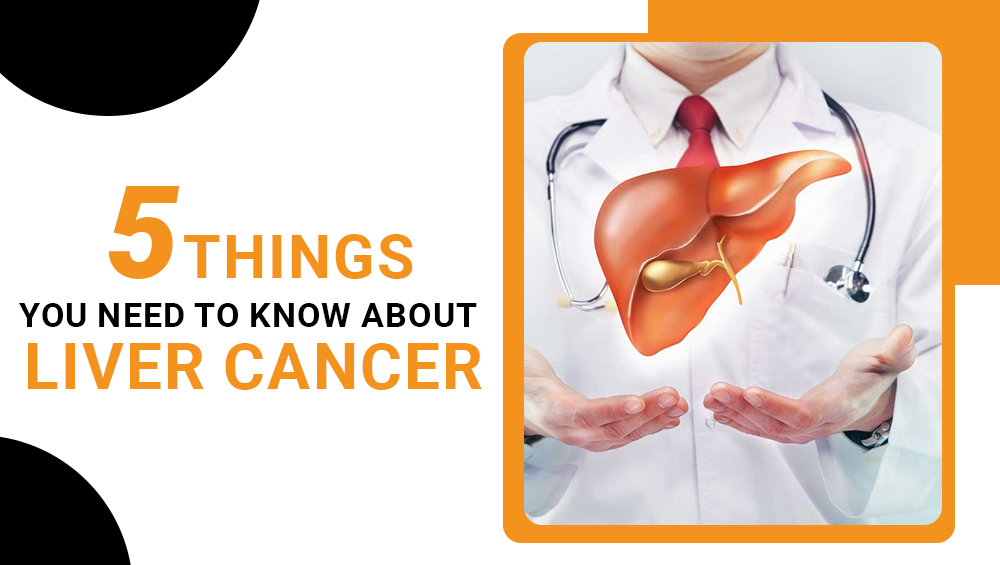
Here, we will tell you five things you need to know about liver cancer, starting from what it is and why it is referred to as a "silent disease" to knowing the prognosis, survival rate for liver cancer, how early detection takes place, and how to get the top gastrosurgeon in Lucknow.
What is Liver Cancer?
Liver cancer occurs when unhealthy cells begin to grow in the liver and form a tumor. Because it develops slowly and may show no early symptoms, many people are unaware of the disease. Liver cancer can affect the whole system, as the liver is a vital organ for digestion and waste removal. Early detection of liver cancer significantly improves recovery and treatment success.
Why Liver Cancer Is Often Called a “Silent Disease”
Many people do not experience any symptoms in the early stages of liver cancer and are therefore only diagnosed much later; this is the reason it is called silent disease. There are some Symptoms by which you can find out your condition
The symptoms include:
- jaundice (Yellow skin and eyes)
- weight appetite loss
- constant fatigue and weakness
- Pain and swelling in abdomen
Liver Cancer Prognosis & Survival Rate
The prognosis of patients is greatly affected by the stage at which the cancer was detected and the health of the liver.
- Localized liver tumors have a 5-year survival rate of around 30%-37%.
- For the regional spread of liver cancer, the survival rate drops to about 13%.
- For distant metastasis, the survival rate drops further to about 3%.
The global picture shows that there is around 18% to 22% of overall survival in liver cancer patients. There is an alarming gap in the global picture, which signifies the importance of early detection in liver cancer.
Early Detection Saves Lives: Diagnosis & Prevention
Diagnosis
Recognizing the in its earliest stages significantly increases the chance of successful treatment. A doctor usually begins by conducting blood tests, which include testing for the Alpha-fetoprotein (AFP) to look for anomalies, along with the use of ultrasounds CT scans and MRI imaging to detect any liver tumors. In certain circumstances the need for a biopsy may be required to confirm the diagnosis.
Prevention
While some risk factors cannot be controlled, liver cancer prevention can be supported through lifestyle changes:
- Vaccinate yourself (against hepatitis B)
- Early treatment
- Avoid alcohol consumption.
- Maintaining a healthy body weight.
- Taking a balanced diet.
- Avoid exposure (toxic and contaminated foods).
Conclusion
Liver cancer is a tough disease, but if patients have knowledge about it and act early, the chances of recovery can be increased. Awareness of its asymptomatic condition, identification of risk factors, and awareness of how liver cancer prognosis as well as liver cancer survival rate are reliant on early diagnosis will lead the patient towards recovery.
For Expert medical guidance to ensure the best possible care, consult Dr. Ajay Yadav, a highly experienced specialist and one of the best gastrosurgeon in liver cancer treatment. You can access advanced procedures, an accurate diagnosis, and compassionate support. Early intervention and the right specialist can help manage liver cancer with more confidence and hope.