Losing weight isn’t easy for everyone. Even after trying different diets, workouts, and lifestyle changes, many people still struggle to see the results they want. In such situations, gastric sleeve surgery can be an option worth considering. It has become quite common today and has helped many people lose weight and improve their overall health.
In this blog, we’ll walk you through everything about gastric sleeve surgery, how it works, its benefits and risks, what recovery looks like, and the kind of care you need after the procedure.
What is Gastric Sleeve Surgery?
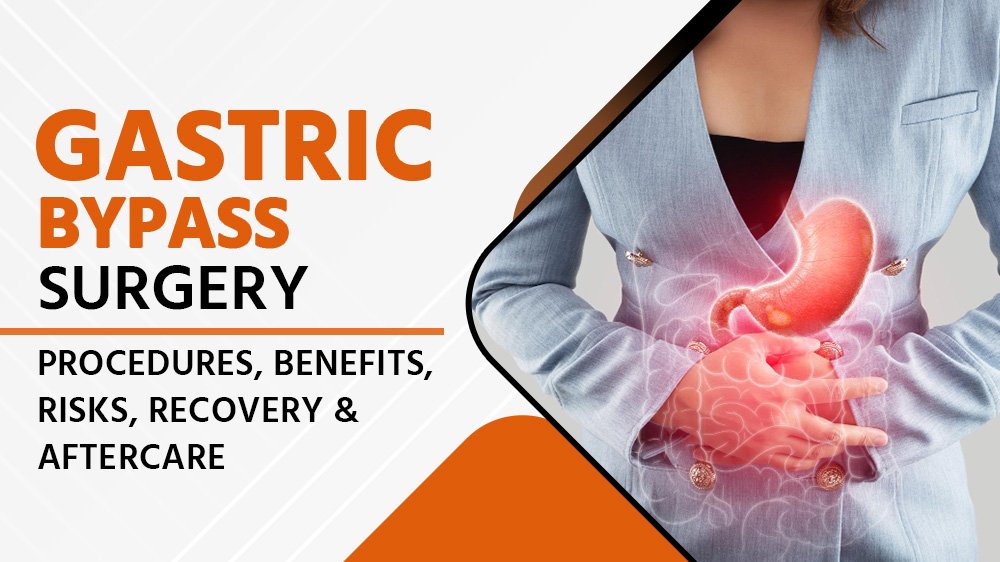
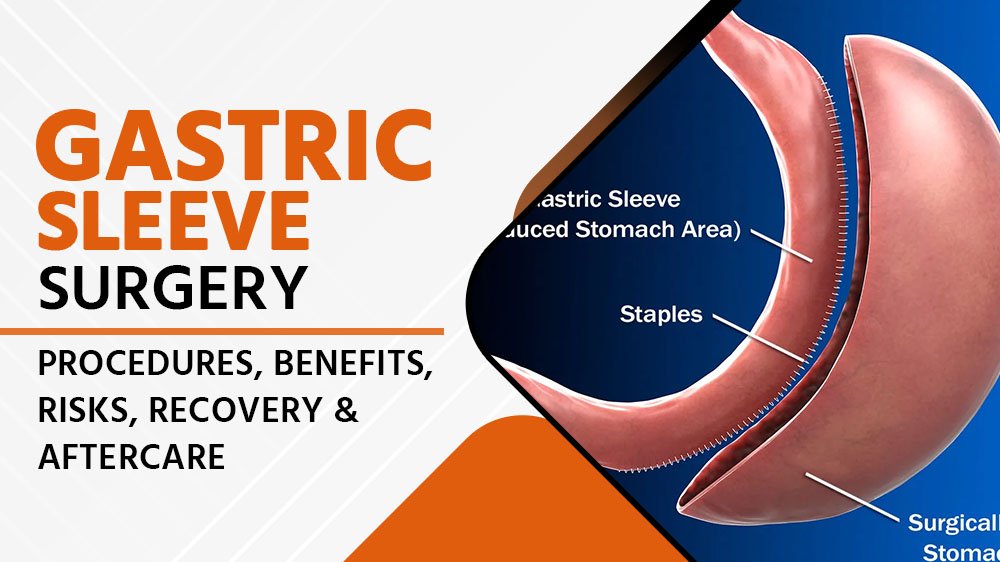
This surgery is referred to as either gastric sleeve or VSG surgery (Vertical Sleeve Gastrectomy). During the surgery, a considerable portion of your stomach is taken away. As a result of this surgery, your stomach becomes smaller and acquires a sleeve-like structure.
Due to the reduced stomach volume, you get satiated quickly and consume less food. In addition, this type of surgery decreases the levels of hunger-inducing hormones.
Procedure of Gastric Sleeve Surgery
Gastric Sleeve surgery is usually done using a minimally invasive procedure called laparoscopy. In this procedure, only tiny incisions are made to facilitate quick recovery.
The doctor will take out approximately 70-80 percent of your stomach during the procedure.
This creates an appearance resembling a tube or sleeve from the remaining stomach. The normal functioning of your digestion remains unchanged, while you can only eat a little amount of food.
The entire procedure will take 1-2 hours to be completed, after which you will remain at the hospital for 2-3 days.
Benefits of Gastric Sleeve Surgery
The main benefit of gastric sleeve surgery is substantial weight loss for patients. The majority of patients experience considerable weight loss during the first twelve months following their operation.
Weight loss from the treatment leads to better health outcomes for multiple medical conditions. The surgical procedure results in improvements for patients who have diabetes, high blood pressure, sleep apnea, or joint pain.
The procedure becomes easier to perform because it does not require surgeons to perform intestinal rerouting, which constitutes a major difference from other bariatric surgical procedures. The treatment presents a reduced chance of patients developing nutritional deficiencies when compared to various other surgical options.
Patients feel more confident and have greater physical strength as well as better lifestyle patterns.
Risks of Gastric Sleeve Surgery
Gastric sleeve surgery contains the same inherent dangers as all surgical procedures. The procedure maintains a safety record yet exists potential for unexpected complications to arise.
The procedure comes with typical risks that include gastric drainage issues, infections, and bleeding. Patients may have acid reflux following surgery.
If patients don't meet their nutritional requirements and supplement their diet, they'll experience nutritional deficiency throughout their lives. This is the reason why regular visits to the doctor are considered a vital medical procedure.
You should discuss all potential surgical dangers with your surgeon before making your surgical decision.
Recovery After Gastric Sleeve Surgery
The process of healing after gastric sleeve surgeries is without issues if patients adhere to the correct treatments. The majority of patients can resume their routine in 2-4 weeks.
The initial few days may be a bit painful and uncomfortable. But it is possible to manage it by taking medications. The medical team suggests that patients start exercising and walking immediately to decrease the risk of suffering from medical issues.
The way you eat will change slowly throughout your recovery. Patients will start the diet with liquids before transitioning to soft foods, eventually returning to solid foods within the next few weeks.
The process of healing requires you to follow the doctor's prescriptions throughout the healing process.
Aftercare and Lifestyle Changes
Aftercare is crucial for this procedure. The surgery is just the beginning; the real thing that matters is the change in the patient’s lifestyle habits.
It is essential to adopt healthy eating habits and eat portions of food that are smaller than usual. Careful and slow eating is necessary. Hydration and avoidance of unhealthy foods are also required for maintaining the results of the operation.
Exercise is another aspect that is very important after such surgery.
Sometimes a vitamin or mineral deficiency may occur; therefore, the intake of additional vitamins is recommended.
Who Should Consider Gastric Sleeve Surgery?
The gastric sleeve procedure is typically advised for those who are extremely overweight or obese and haven't been able to shed weight through exercise and diet.
The treatment provides benefits to individuals who experience obesity together with high blood pressure or diabetes.
Surgery eligibility requires assessment of each patient. A thorough medical assessment is essential before deciding on surgery.
Conclusion
Gastric sleeve surgery can be a reliable option for individuals struggling with severe obesity, especially when diet and exercise do not provide the expected results. It not only supports effective weight loss but also helps improve overall health and manage conditions like diabetes and high blood pressure.
However, long-term success depends on maintaining a healthy lifestyle and following the doctor’s guidance after surgery. If you are considering this procedure, consulting a qualified specialist is important.Dr. Ajay Yadav, one of the best gastrosurgeons in Lucknow, offers expert advice and personalized care to help patients achieve safe and lasting results.
To book an appointment with Dr. Ajay Yadav, you can call at +91 8957575053 or WhatsApp at +91 8957575053. For any queries or guidance, feel free to reach out and get the right advice for your treatment.